Phthalate Exposure: What You Need To Know And How To Protect Yourself

Author :

In recent years, concerns have grown about the potential health risks associated with phthalate exposure, commonly found in various everyday products. Let’s learn more about it!

Understanding Phthalate Exposure: Experts Share Insights

Phthalates, also known as plasticizers, are chemicals used to enhance the durability of plastics and can even be found in personal care products, lubricating oils, and more. While it may be challenging to determine the extent of concern over these compounds, experts are shedding light on the matter.

Phthalates can interfere with normal hormone activity in the body, affecting critical functions such as fertility, cardiovascular health, and cognition, warns Emily Barrett, a professor at the Rutgers School of Public Health. This concern is particularly pronounced in infants and young children, whose development can be vulnerable to chemical disruptions like phthalates.

These chemicals are classified as endocrine-disrupting, meaning they disrupt the body’s ability to regulate biological processes. Studies have linked phthalate exposure to various health issues, including metabolic problems, reproductive effects like endometriosis and reduced sperm quality, and hormone-related cancers such as ovarian, breast, and uterine cancers.

Recent research has highlighted more concerning connections. A study published in JAMA Psychiatry linked higher phthalate concentrations in pregnant women to an increased risk of postpartum depression. Phthalates’ interference with sex hormones during pregnancy might be a contributing factor.

Additionally, another study published in Molecular Psychiatry found an association between phthalate exposure during pregnancy and lower IQ scores in children at age 14, along with decreased gray matter volume in the brain.

While research on the effects of phthalates is ongoing, experts emphasize the importance of minimizing exposure. Although it’s challenging to eliminate phthalates entirely, individuals can take steps to reduce contact with these chemicals.

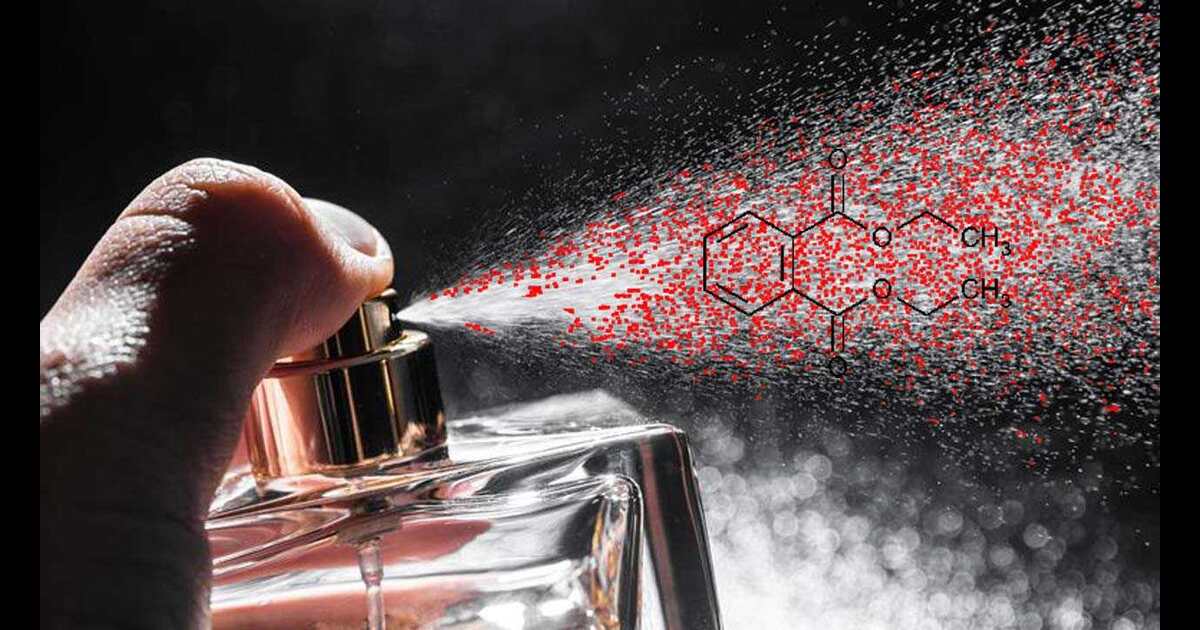
This includes avoiding perfumes and scented products, which often contain phthalates. Furthermore, opting for non-plastic containers for food and drinks and refraining from microwaving food in plastic containers can help.

Consumers should also be cautious when selecting personal care and cleaning products. Though some claim to be “phthalate-free,” this label is unregulated. Experts recommend using resources like the Environmental Working Group’s Skin Deep database to identify cleaner products.

In conclusion, phthalates should be a concern for everyone, as virtually all individuals have measurable levels of these chemicals in their bodies. While regulation efforts vary by country, reducing phthalate exposure is possible and can lead to quick improvements in one’s phthalate levels.

Staying informed and making informed choices in daily life can help mitigate the potential risks associated with these ubiquitous chemicals.


Published On:

Last updated on:

Disclaimer: The informational content on The Minds Journal have been created and reviewed by qualified mental health professionals. They are intended solely for educational and self-awareness purposes and should not be used as a substitute for professional medical advice, diagnosis, or treatment. If you are experiencing emotional distress or have concerns about your mental health, please seek help from a licensed mental health professional or healthcare provider.

Leave a Comment

Today's Horoscope

Your Daily Horoscope For 30 March, 2026: Free Predictions

Daily Horoscope 30 March, 2026: Prediction For Each Zodiac Sign

Do you want to know what 30 March 2026 has in store for you? Here’s your daily horoscope!

Latest Quizzes

Fun Bird Personality Test: What Will Happen To You In 3 Days

The Bird Personality Test: Pick A Dove And Reveal What Will Happen To You In The Next 3 Days

Ever wonder how your choices reflect your energy? Take this bird personality test and see what the next 3 days have in store!

Latest Quotes

She Is Who She Is: When Feeling Replaceable Shapes Your Heart

She Is Who She Is: When Feeling Replaceable Shapes Your Heart

She is who she is because she keeps feeling replaceable in relationships. Repeated rejection reshapes your self-worth, but with awareness and healing, you can stop treating yourself like an option.

Readers Blog

Caption This Image and Selected Wisepicks – 29 March 2026

Caption This Image and Selected Wisepicks – 29 March 2026

Ready to unleash your inner wordsmith? ✨??☺️ Now’s your chance to show off your wit, charm, or sheer genius in just one line! Whether it’s laugh-out-loud funny or surprisingly deep, we want to hear it.Submit your funniest, wittiest, or most thought-provoking caption in the comments. We’ll pick 15+ winners to be featured on our website…

Latest Articles

In recent years, concerns have grown about the potential health risks associated with phthalate exposure, commonly found in various everyday products. Let’s learn more about it!

Understanding Phthalate Exposure: Experts Share Insights

Phthalates, also known as plasticizers, are chemicals used to enhance the durability of plastics and can even be found in personal care products, lubricating oils, and more. While it may be challenging to determine the extent of concern over these compounds, experts are shedding light on the matter.

Phthalates can interfere with normal hormone activity in the body, affecting critical functions such as fertility, cardiovascular health, and cognition, warns Emily Barrett, a professor at the Rutgers School of Public Health. This concern is particularly pronounced in infants and young children, whose development can be vulnerable to chemical disruptions like phthalates.

These chemicals are classified as endocrine-disrupting, meaning they disrupt the body’s ability to regulate biological processes. Studies have linked phthalate exposure to various health issues, including metabolic problems, reproductive effects like endometriosis and reduced sperm quality, and hormone-related cancers such as ovarian, breast, and uterine cancers.

Recent research has highlighted more concerning connections. A study published in JAMA Psychiatry linked higher phthalate concentrations in pregnant women to an increased risk of postpartum depression. Phthalates’ interference with sex hormones during pregnancy might be a contributing factor.

Additionally, another study published in Molecular Psychiatry found an association between phthalate exposure during pregnancy and lower IQ scores in children at age 14, along with decreased gray matter volume in the brain.

While research on the effects of phthalates is ongoing, experts emphasize the importance of minimizing exposure. Although it’s challenging to eliminate phthalates entirely, individuals can take steps to reduce contact with these chemicals.

This includes avoiding perfumes and scented products, which often contain phthalates. Furthermore, opting for non-plastic containers for food and drinks and refraining from microwaving food in plastic containers can help.

Consumers should also be cautious when selecting personal care and cleaning products. Though some claim to be “phthalate-free,” this label is unregulated. Experts recommend using resources like the Environmental Working Group’s Skin Deep database to identify cleaner products.

In conclusion, phthalates should be a concern for everyone, as virtually all individuals have measurable levels of these chemicals in their bodies. While regulation efforts vary by country, reducing phthalate exposure is possible and can lead to quick improvements in one’s phthalate levels.

Staying informed and making informed choices in daily life can help mitigate the potential risks associated with these ubiquitous chemicals.


Published On:

Last updated on:

Leave a Comment

    Leave a Comment