7 Phrases That Hurt Kids More Than Parents Realize

Author : Dr. Jeffrey Bernstein

7 Phrases That Hurt Kids More Than Parents Realize

Phrases that hurt kids can leave lasting emotional impressions, even if spoken in the heat of the moment. These seemingly harmless remarks often turn out to be damaging phrases for kids, quietly shaping how they view themselves and the world.

The things parents say that hurt can affect a childโ€™s confidence, trust, and emotional development. Here are seven hurtful things parents say to kids that can do more harm than many realize.

KEY POINTS

  • Expressing disappointment without support can lead to feelings of inadequacy.
  • Constant comparisons can crush a childโ€™s self-esteem and create unhealthy competition.
  • Being mindful of how we speak to our children can make a world of difference.

Many parents have found themselves deeply humbled when their children share painful memories of things said to them in moments of frustration.

Parenting, after all, is much like trying to fold a fitted sheetโ€”no matter how hard you try, it never looks perfect. The key is to embrace the wrinkles and focus on the love and effort you put in.

Parenting is a journey filled with both joy and challenges. In stressful moments, words can slip out that parents later regret.

While these statements may seem harmless or justified at the time, as a child psychologist, I have seen firsthand that they can affect a childโ€™s self-esteem and emotional well-being.

Letโ€™s explore seven common phrases parents often regret saying and how they shape a childโ€™s experience.

Related: Does Gentle Parenting Work?

7 Phrases That Hurt Kids More Than Parents Realize

1. Making Comparisons Between Siblings

Example: In exasperation, a parent might say, โ€œWhy canโ€™t you act more like your brother?โ€

Regret: Such comparisons can foster resentment and unhealthy competition among siblings, leading to feelings of unappreciation and strained relationships.

Phrases the hurt kids

2. Using Absolute Statements

Example: A parent might express frustration by saying, โ€œYou always forget what I tell you.โ€

Regret: Absolute statements can make a child feel incapable of change, potentially affecting their self-confidence and motivation.

3. Expressing Disappointment Without Support

Example: Parents might convey disappointment by stating, โ€œWe thought you would do better.โ€

Regret: While having expectations is natural, expressing disappointment without offering support can lead to feelings of inadequacy and anxiety in children.

4. Dismissing a Child’s Emotions

Example: A parent might say, โ€œYouโ€™re overreacting; it was just a joke.โ€

Regret: Invalidating a child’s emotions can hinder their ability to express themselves, lead them to suppress feelings, and affect their emotional intelligence.

5. Labeling a Child Negatively

Example: In a moment of frustration, a parent might say, โ€œYouโ€™re being lazy.โ€

Regret: As I describe in my book, 10 Days to a Less Defiant Child, negative labeling can damage a child’s self-image and motivation, making it challenging to develop a strong work ethic and sense of responsibility.

6. Comparing Them to Other Children

Example: Parents might express frustration by saying, โ€œLook at how well your friend is doing; why canโ€™t you do the same?โ€

Regret: Such comparisons can harm a childโ€™s self-esteem and create unhealthy competition, leading to feelings of inadequacy and resentment.

7. Uttering Hurtful Statements in Anger

Example: In anger, a parent might say, โ€œI wish you werenโ€™t here right now.โ€

Regret: Hurtful statements made in anger can leave deep emotional scars, causing children to struggle with feelings of rejection and low self-worth.

Related: 8 Signs of Poor Parenting That Has A Negative Impact On Kids

The Power of Words in Parenting

Parenting is a challenging journey, and itโ€™s natural to have moments of frustration. However, being mindful of our words can significantly impact our children’s emotional well-being.
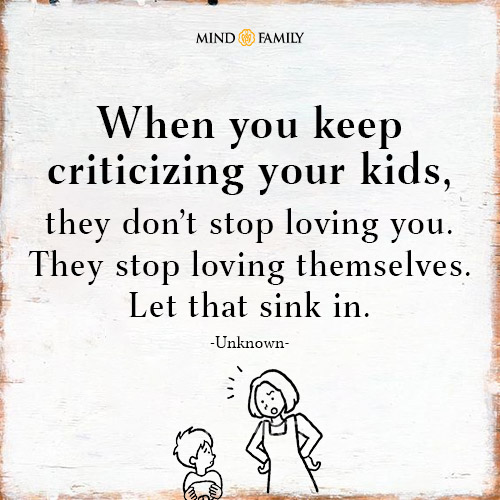
Phrases that hurt kids

Instead of uttering words that may wound, we can strive to offer guidance, patience, and understanding, helping our children grow into confident and resilient individuals who feel deeply loved.


Written By Jeffrey Bernstein Ph.D.
Originally Appeared On Psychology Today

damaging phrases for kids

Published On:

Last updated on:

Dr. Jeffrey Bernstein

Jeffrey Bernstein, Ph.D., is a nationally recognized parent coach and psychologist. He has over 30 years experience providing child, adolescent, couples, family counseling and coaching. Dr. Bernstein conducts seminars and public speaking events on child/teen/adult child behavior, self-esteem, addictions, self-mutilation, ADHD, learning disabilities, discipline, difficult children, parenting issues, personal wellness, workplace challenges, and leadership development throughout the greater Philadelphia area. His work has been profiled in several media sources, including radio in several countries, twice on The Today Show, Court TV as an expert advisor, and NBC National News. Bernstein also has been repeatedly quoted in Menโ€™s Health and Cosmopolitan Magazines.

Disclaimer: The informational content on The Minds Journal have been created and reviewed by qualified mental health professionals. They are intended solely for educational and self-awareness purposes and should not be used as a substitute for professional medical advice, diagnosis, or treatment. If you are experiencing emotional distress or have concerns about your mental health, please seek help from a licensed mental health professional or healthcare provider.

Leave a Comment

Today's Horoscope

Daily Horoscope 17 March 2026: Prediction for Zodiac Signs

Daily Horoscope 17 March, 2026: Prediction for Each Zodiac Sign

Today carries a calm, thoughtful kind of energy that may not be obvious at first.

Latest Quizzes

Interesting Finger Personality Test: 4 Finger Lines

Finger Personality Test: Join Your Fingers And Reveal A Hidden Personality Secret!

Look closely at your finger lines. Which pattern do you see? This personality test might surprise you!

Latest Quotes

Apology And Change: Why True Remorse Erases The Past

Apology And Change: Why True Remorse Erases The Past

If you offer a sincere apology and change your behavior, I'll never bring up our past issues again. But without it, you can't ask me to forgetโ€”the "past" is just "haven't changed."

Readers Blog

Caption This Image and Selected Wisepicks โ€“ 15 March 2026

Caption This Image and Selected Wisepicks โ€“ 15 March 2026

Ready to unleash your inner wordsmith? โœจ??โ˜บ๏ธ Nowโ€™s your chance to show off your wit, charm, or sheer genius in just one line! Whether itโ€™s laugh-out-loud funny or surprisingly deep, we want to hear it.Submit your funniest, wittiest, or most thought-provoking caption in the comments. Weโ€™ll pick 15+ winners to be featured on our website…

Latest Articles

7 Phrases That Hurt Kids More Than Parents Realize

Phrases that hurt kids can leave lasting emotional impressions, even if spoken in the heat of the moment. These seemingly harmless remarks often turn out to be damaging phrases for kids, quietly shaping how they view themselves and the world.

The things parents say that hurt can affect a childโ€™s confidence, trust, and emotional development. Here are seven hurtful things parents say to kids that can do more harm than many realize.

KEY POINTS

  • Expressing disappointment without support can lead to feelings of inadequacy.
  • Constant comparisons can crush a childโ€™s self-esteem and create unhealthy competition.
  • Being mindful of how we speak to our children can make a world of difference.

Many parents have found themselves deeply humbled when their children share painful memories of things said to them in moments of frustration.

Parenting, after all, is much like trying to fold a fitted sheetโ€”no matter how hard you try, it never looks perfect. The key is to embrace the wrinkles and focus on the love and effort you put in.

Parenting is a journey filled with both joy and challenges. In stressful moments, words can slip out that parents later regret.

While these statements may seem harmless or justified at the time, as a child psychologist, I have seen firsthand that they can affect a childโ€™s self-esteem and emotional well-being.

Letโ€™s explore seven common phrases parents often regret saying and how they shape a childโ€™s experience.

Related: Does Gentle Parenting Work?

7 Phrases That Hurt Kids More Than Parents Realize

1. Making Comparisons Between Siblings

Example: In exasperation, a parent might say, โ€œWhy canโ€™t you act more like your brother?โ€

Regret: Such comparisons can foster resentment and unhealthy competition among siblings, leading to feelings of unappreciation and strained relationships.

Phrases the hurt kids

2. Using Absolute Statements

Example: A parent might express frustration by saying, โ€œYou always forget what I tell you.โ€

Regret: Absolute statements can make a child feel incapable of change, potentially affecting their self-confidence and motivation.

3. Expressing Disappointment Without Support

Example: Parents might convey disappointment by stating, โ€œWe thought you would do better.โ€

Regret: While having expectations is natural, expressing disappointment without offering support can lead to feelings of inadequacy and anxiety in children.

4. Dismissing a Child’s Emotions

Example: A parent might say, โ€œYouโ€™re overreacting; it was just a joke.โ€

Regret: Invalidating a child’s emotions can hinder their ability to express themselves, lead them to suppress feelings, and affect their emotional intelligence.

5. Labeling a Child Negatively

Example: In a moment of frustration, a parent might say, โ€œYouโ€™re being lazy.โ€

Regret: As I describe in my book, 10 Days to a Less Defiant Child, negative labeling can damage a child’s self-image and motivation, making it challenging to develop a strong work ethic and sense of responsibility.

6. Comparing Them to Other Children

Example: Parents might express frustration by saying, โ€œLook at how well your friend is doing; why canโ€™t you do the same?โ€

Regret: Such comparisons can harm a childโ€™s self-esteem and create unhealthy competition, leading to feelings of inadequacy and resentment.

7. Uttering Hurtful Statements in Anger

Example: In anger, a parent might say, โ€œI wish you werenโ€™t here right now.โ€

Regret: Hurtful statements made in anger can leave deep emotional scars, causing children to struggle with feelings of rejection and low self-worth.

Related: 8 Signs of Poor Parenting That Has A Negative Impact On Kids

The Power of Words in Parenting

Parenting is a challenging journey, and itโ€™s natural to have moments of frustration. However, being mindful of our words can significantly impact our children’s emotional well-being.

Phrases that hurt kids

Instead of uttering words that may wound, we can strive to offer guidance, patience, and understanding, helping our children grow into confident and resilient individuals who feel deeply loved.


Written By Jeffrey Bernstein Ph.D.
Originally Appeared On Psychology Today

damaging phrases for kids

Published On:

Last updated on:

Dr. Jeffrey Bernstein

Jeffrey Bernstein, Ph.D., is a nationally recognized parent coach and psychologist. He has over 30 years experience providing child, adolescent, couples, family counseling and coaching. Dr. Bernstein conducts seminars and public speaking events on child/teen/adult child behavior, self-esteem, addictions, self-mutilation, ADHD, learning disabilities, discipline, difficult children, parenting issues, personal wellness, workplace challenges, and leadership development throughout the greater Philadelphia area. His work has been profiled in several media sources, including radio in several countries, twice on The Today Show, Court TV as an expert advisor, and NBC National News. Bernstein also has been repeatedly quoted in Menโ€™s Health and Cosmopolitan Magazines.

Leave a Comment

    Leave a Comment