Nishit Kaal On Mahashivratri 2026: The Most Powerful Hour Of The Night

Author : Alexandra Hall

Nishit Kaal on Mahashivratri 2026: The Most Auspicious Hour

Nishit Kaal is the most important and spiritually powerful moment of Mahashivratri. And when we talk about Nishit Kaal on Mahashivratri 2026, we are talking about the exact midnight window that devotees wait for all year.

Mahashivratri will be celebrated on February 15, 2026. This beloved festival isn’t about lights and noise, it’s about silence, chanting, fasting, and staying awake in devotion to Lord Shiva.

And right at the center of all that devotion sits one powerful moment: Nishit Kaal.

Related: The Mystery of 18 Ancient Shiva Temples Aligned on 79° East Longitude

What is Nishit Kaal on Mahashivratri?

Nishit Kaal on Mahashivratri is the midnight period that is considered the most sacred time to worship Lord Shiva. Spiritually speaking, it’s believed to be the moment when Shiva’s energy is at its highest and most accessible.

For Mahashivratri 2026, the Nishita Kaal Puja timing is from 12:09 AM to 1:01 AM on February 15, 2026.

That’s just 52 minutes. But those 52 minutes? Powerful.

Many believe this is the time when Lord Shiva performed the cosmic Tandava. Others say this marks the divine union of Shiva and Parvati. Either way, devotees consider this window the heart of the festival.

If you can only do one thing during Mahashivratri this year, make it this.
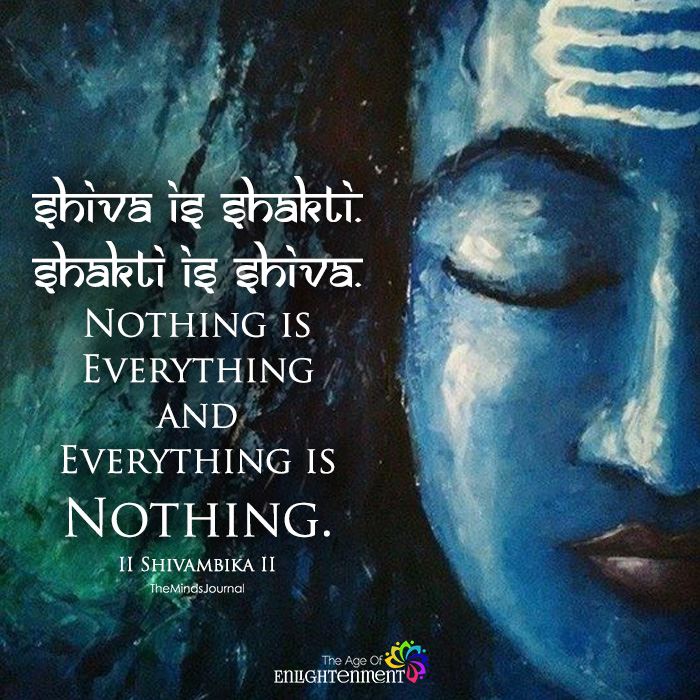
Nishit Kaal on Mahashivratri

Puja & Ritual Timings for Mahashivratri 2026

The beauty of day is that it’s a night-long experience. You don’t just “celebrate” it. You stay awake. You chant. You reflect. The night is divided into four Prahars (four parts), and each one holds its own importance.

First Prahar: 6:11 PM to 9:23 PM (Feb 15)

This is when the night begins. People light diyas, clean their home temple, and begin the first round of Shiva Abhishekam. Milk, water, honey, curd are offered to Mahadev. These may be simple offerings, but show a deep devotion.

Second Prahar: 9:23 PM to 12:35 AM (into Feb 16)

The energy shifts here. Temples become more crowded. The chanting of “Om Namah Shivaya” grows louder. If you are fasting, this is when you start feeling it, and that’s part of the discipline.

Third Prahar: 12:35 AM to 3:47 AM

This is the most powerful stretch of the night because it includes Nishit Kaal. Many devotees wait specifically for this window to perform their main puja. It’s quiet. It’s intense. It feels different.

Fourth Prahar: 3:47 AM to 6:59 AM

The final phase before sunrise. It’s symbolic – darkness fading into light. A reminder that the festival of Mahashivratri is about inner awakening.

Why Nishit Kaal on Maha Shivratri Feels So Powerful

There’s something about midnight. The world is quiet. Distractions are minimal. Your mind is softer, more open. That’s exactly why Nishit Kaal on Maha Shivratri is considered so spiritually charged.

According to belief, this is when Shiva consciousness is at its peak. Devotees who pray during Nishit Kaal are said to receive special blessings, especially for inner growth, removing negativity, and overcoming fear.

Unlike other festivals that are loud and social, this one is deeply personal. It’s you, Mahadev, your prayers to him, and your intention.

And during Mahashivratri this year, that intention becomes strongest between 12:09 AM and 1:01 AM.

You don’t need elaborate rituals. Even simple chanting during Nishit Kaal is considered meaningful. That’s the beauty of it.

Related: The Best Mantra To Chant Everyday: How ‘Om Namah Shivaya’ Can Transform Your Life

The Importance of Mahashivratri in Hindu Culture

The importance of Mahashivratri goes way beyond one night of fasting.

In Hindu culture, Lord Shiva represents destruction, but not in a negative way. He destroys ego, ignorance, and illusions. This auspicious festival symbolizes this inner cleansing.

Some traditions believe this is the night Shiva married Goddess Parvati. Others say it marks the appearance of the infinite Shiva Linga.

Spiritually inclined followers see it as a powerful night for meditation because planetary alignments are believed to support spiritual growth.

That’s why people fast. That’s why they stay awake. That’s why temples remain open all night.

This day is not about asking for material things. It’s about growth. Strength. Stability. Inner peace. And most importantly, letting go.

Like every year, devotees will once again observe silence, chant mantras, offer bilva leaves, and perform Abhishekam, especially during Nishit Kaal on Mahashivratri.

Because according to Hindu tradition and belief, this one night has the power to transform your inner world.

How to Observe Mahashivratri at Home

Not everyone can visit a temple, and that’s completely okay. You know why? Lord Shiva looks for sincerity and genuine devotion. Even if you do not follow all the rituals to the T, if you show your devotion to him with a pure heart, he will bless you.

If you are planning to pay your obeisance to Lord Shiva at home this year, you can do the following things:

  • Wake up early and take a bath.
  • Clean your puja space.
  • Keep a Shiva Lingam or picture of Lord Shiva.
  • Offer water, milk, and bilva leaves.
  • Chant “Om Namah Shivaya” 108 times.
  • Stay awake if possible, especially during Nishit Kaal.

However the most important part is intention. You don’t need elaborate arrangements to honor Mahadev and this beloved festival. Always remember that sincerity and genuine devotion matters the most.

Takeaway

Nishit Kaal isn’t just another time mentioned in the calendar, it’s really the heart of Mahashivratri.

On the night of February 15, 2026, between 12:09 AM and 1:01 AM, many devotees will quietly sit in prayer, chant mantras, or perform Abhishekam, believing this is when Lord Shiva’s presence feels closest.

Related: A True Divine Connection: 7 Spiritual Signs That Lord Shiva Is With You

You don’t have to follow every ritual perfectly. Even if you simply pause during Nishit Kaal and pray with sincerity, that’s enough.

In the end, the real meaning of Mahashivratri is about turning inward, even for a little while.


Frequently Asked Questions (FAQs)

1. What to do in Nishita Kaal on Maha Shivratri?

During Nishita Kaal on Maha Shivratri, keep your focus calm and sincere. Perform a simple Abhishekam to the Shiva Lingam using water, milk, or panchamrit, and offer fresh bilva leaves with devotion. Chant “Om Namah Shivaya” softly and take a few moments to sit in silence. This sacred midnight hour is about inner stillness, gratitude, and connecting deeply with Lord Shiva without distraction.

2. Which color to wear on Shivratri?

On Shivratri, white is considered the most auspicious color to wear, as it represents peace, purity, and the calm nature of Lord Shiva. Blue is also a meaningful choice because Shiva is known as Neelkanth, the blue-throated one. Many devotees also choose saffron or light yellow for their spiritual significance. It’s generally advised to wear clean, simple, and modest clothes for the festival.

3. What is the meaning of Nishita Kaal Maha Shivratri?

Nishita Kaal on Maha Shivratri refers to the sacred midnight period that is considered the most powerful time to worship Lord Shiva. It falls in the middle of the night and is believed to be when Shiva’s divine energy is at its peak. Devotees perform special prayers, Abhishekam, and mantra chanting during this time, as it is regarded as the spiritual heart of the festival of Maha Shivratri.


mahashivratri

Published On:

Last updated on:

Alexandra Hall

I’m Alexandra Hall, a journalism grad who’s endlessly curious about the inner workings of the human heart and mind. I write about relationships, psychology, spirituality, mental health, and books, weaving insight with empathy. If it’s raw, real, and thought-provoking, it’s probably on my radar.

Disclaimer: The informational content on The Minds Journal have been created and reviewed by qualified mental health professionals. They are intended solely for educational and self-awareness purposes and should not be used as a substitute for professional medical advice, diagnosis, or treatment. If you are experiencing emotional distress or have concerns about your mental health, please seek help from a licensed mental health professional or healthcare provider.

Leave a Comment

Today's Horoscope

Free Daily Horoscope 26 March For 12 Zodiac Signs

Daily Horoscope 26 March, 2026: Prediction For Each Zodiac Sign

Today is less about dramatic changes and more about small emotional shifts that can create long-term impact. Check your free horoscope for more insights!

Latest Quizzes

Image Personality Test: Which Woman Reveals Your True Self?

Which Woman Are You? A Personality Test That Reveals Your True Inner Nature

This personality test reveals your true self based on the woman you choose. Simple, fun, and surprisingly accurate!

Latest Quotes

Manipulative Tactics in Relationships: Gaslighting, Love Bombing, and Emotional Control

Manipulative Tactics in Relationships: Gaslighting, Love Bombing, and Emotional Control

Manipulative tactics in relationships often start subtly—gaslighting, love bombing, guilt trips, or mixed signals. Once you recognize these emotional manipulation patterns, you can protect your mental health and step away from toxic dynamics.

Readers Blog

Caption This Image and Selected Wisepicks – 22 March 2026

Caption This Image and Selected Wisepicks – 22 March 2026

Ready to unleash your inner wordsmith? ✨??☺️ Now’s your chance to show off your wit, charm, or sheer genius in just one line! Whether it’s laugh-out-loud funny or surprisingly deep, we want to hear it.Submit your funniest, wittiest, or most thought-provoking caption in the comments. We’ll pick 15+ winners to be featured on our website…

Latest Articles

Nishit Kaal on Mahashivratri 2026: The Most Auspicious Hour

Nishit Kaal is the most important and spiritually powerful moment of Mahashivratri. And when we talk about Nishit Kaal on Mahashivratri 2026, we are talking about the exact midnight window that devotees wait for all year.

Mahashivratri will be celebrated on February 15, 2026. This beloved festival isn’t about lights and noise, it’s about silence, chanting, fasting, and staying awake in devotion to Lord Shiva.

And right at the center of all that devotion sits one powerful moment: Nishit Kaal.

Related: The Mystery of 18 Ancient Shiva Temples Aligned on 79° East Longitude

What is Nishit Kaal on Mahashivratri?

Nishit Kaal on Mahashivratri is the midnight period that is considered the most sacred time to worship Lord Shiva. Spiritually speaking, it’s believed to be the moment when Shiva’s energy is at its highest and most accessible.

For Mahashivratri 2026, the Nishita Kaal Puja timing is from 12:09 AM to 1:01 AM on February 15, 2026.

That’s just 52 minutes. But those 52 minutes? Powerful.

Many believe this is the time when Lord Shiva performed the cosmic Tandava. Others say this marks the divine union of Shiva and Parvati. Either way, devotees consider this window the heart of the festival.

If you can only do one thing during Mahashivratri this year, make it this.

Nishit Kaal on Mahashivratri

Puja & Ritual Timings for Mahashivratri 2026

The beauty of day is that it’s a night-long experience. You don’t just “celebrate” it. You stay awake. You chant. You reflect. The night is divided into four Prahars (four parts), and each one holds its own importance.

First Prahar: 6:11 PM to 9:23 PM (Feb 15)

This is when the night begins. People light diyas, clean their home temple, and begin the first round of Shiva Abhishekam. Milk, water, honey, curd are offered to Mahadev. These may be simple offerings, but show a deep devotion.

Second Prahar: 9:23 PM to 12:35 AM (into Feb 16)

The energy shifts here. Temples become more crowded. The chanting of “Om Namah Shivaya” grows louder. If you are fasting, this is when you start feeling it, and that’s part of the discipline.

Third Prahar: 12:35 AM to 3:47 AM

This is the most powerful stretch of the night because it includes Nishit Kaal. Many devotees wait specifically for this window to perform their main puja. It’s quiet. It’s intense. It feels different.

Fourth Prahar: 3:47 AM to 6:59 AM

The final phase before sunrise. It’s symbolic – darkness fading into light. A reminder that the festival of Mahashivratri is about inner awakening.

Why Nishit Kaal on Maha Shivratri Feels So Powerful

There’s something about midnight. The world is quiet. Distractions are minimal. Your mind is softer, more open. That’s exactly why Nishit Kaal on Maha Shivratri is considered so spiritually charged.

According to belief, this is when Shiva consciousness is at its peak. Devotees who pray during Nishit Kaal are said to receive special blessings, especially for inner growth, removing negativity, and overcoming fear.

Unlike other festivals that are loud and social, this one is deeply personal. It’s you, Mahadev, your prayers to him, and your intention.

And during Mahashivratri this year, that intention becomes strongest between 12:09 AM and 1:01 AM.

You don’t need elaborate rituals. Even simple chanting during Nishit Kaal is considered meaningful. That’s the beauty of it.

Related: The Best Mantra To Chant Everyday: How ‘Om Namah Shivaya’ Can Transform Your Life

The Importance of Mahashivratri in Hindu Culture

The importance of Mahashivratri goes way beyond one night of fasting.

In Hindu culture, Lord Shiva represents destruction, but not in a negative way. He destroys ego, ignorance, and illusions. This auspicious festival symbolizes this inner cleansing.

Some traditions believe this is the night Shiva married Goddess Parvati. Others say it marks the appearance of the infinite Shiva Linga.

Spiritually inclined followers see it as a powerful night for meditation because planetary alignments are believed to support spiritual growth.

That’s why people fast. That’s why they stay awake. That’s why temples remain open all night.

This day is not about asking for material things. It’s about growth. Strength. Stability. Inner peace. And most importantly, letting go.

Like every year, devotees will once again observe silence, chant mantras, offer bilva leaves, and perform Abhishekam, especially during Nishit Kaal on Mahashivratri.

Because according to Hindu tradition and belief, this one night has the power to transform your inner world.

How to Observe Mahashivratri at Home

Not everyone can visit a temple, and that’s completely okay. You know why? Lord Shiva looks for sincerity and genuine devotion. Even if you do not follow all the rituals to the T, if you show your devotion to him with a pure heart, he will bless you.

If you are planning to pay your obeisance to Lord Shiva at home this year, you can do the following things:

  • Wake up early and take a bath.
  • Clean your puja space.
  • Keep a Shiva Lingam or picture of Lord Shiva.
  • Offer water, milk, and bilva leaves.
  • Chant “Om Namah Shivaya” 108 times.
  • Stay awake if possible, especially during Nishit Kaal.

However the most important part is intention. You don’t need elaborate arrangements to honor Mahadev and this beloved festival. Always remember that sincerity and genuine devotion matters the most.

Takeaway

Nishit Kaal isn’t just another time mentioned in the calendar, it’s really the heart of Mahashivratri.

On the night of February 15, 2026, between 12:09 AM and 1:01 AM, many devotees will quietly sit in prayer, chant mantras, or perform Abhishekam, believing this is when Lord Shiva’s presence feels closest.

Related: A True Divine Connection: 7 Spiritual Signs That Lord Shiva Is With You

You don’t have to follow every ritual perfectly. Even if you simply pause during Nishit Kaal and pray with sincerity, that’s enough.

In the end, the real meaning of Mahashivratri is about turning inward, even for a little while.


Frequently Asked Questions (FAQs)

1. What to do in Nishita Kaal on Maha Shivratri?

During Nishita Kaal on Maha Shivratri, keep your focus calm and sincere. Perform a simple Abhishekam to the Shiva Lingam using water, milk, or panchamrit, and offer fresh bilva leaves with devotion. Chant “Om Namah Shivaya” softly and take a few moments to sit in silence. This sacred midnight hour is about inner stillness, gratitude, and connecting deeply with Lord Shiva without distraction.

2. Which color to wear on Shivratri?

On Shivratri, white is considered the most auspicious color to wear, as it represents peace, purity, and the calm nature of Lord Shiva. Blue is also a meaningful choice because Shiva is known as Neelkanth, the blue-throated one. Many devotees also choose saffron or light yellow for their spiritual significance. It’s generally advised to wear clean, simple, and modest clothes for the festival.

3. What is the meaning of Nishita Kaal Maha Shivratri?

Nishita Kaal on Maha Shivratri refers to the sacred midnight period that is considered the most powerful time to worship Lord Shiva. It falls in the middle of the night and is believed to be when Shiva’s divine energy is at its peak. Devotees perform special prayers, Abhishekam, and mantra chanting during this time, as it is regarded as the spiritual heart of the festival of Maha Shivratri.


mahashivratri

Published On:

Last updated on:

Alexandra Hall

I’m Alexandra Hall, a journalism grad who’s endlessly curious about the inner workings of the human heart and mind. I write about relationships, psychology, spirituality, mental health, and books, weaving insight with empathy. If it’s raw, real, and thought-provoking, it’s probably on my radar.

Leave a Comment

    Leave a Comment