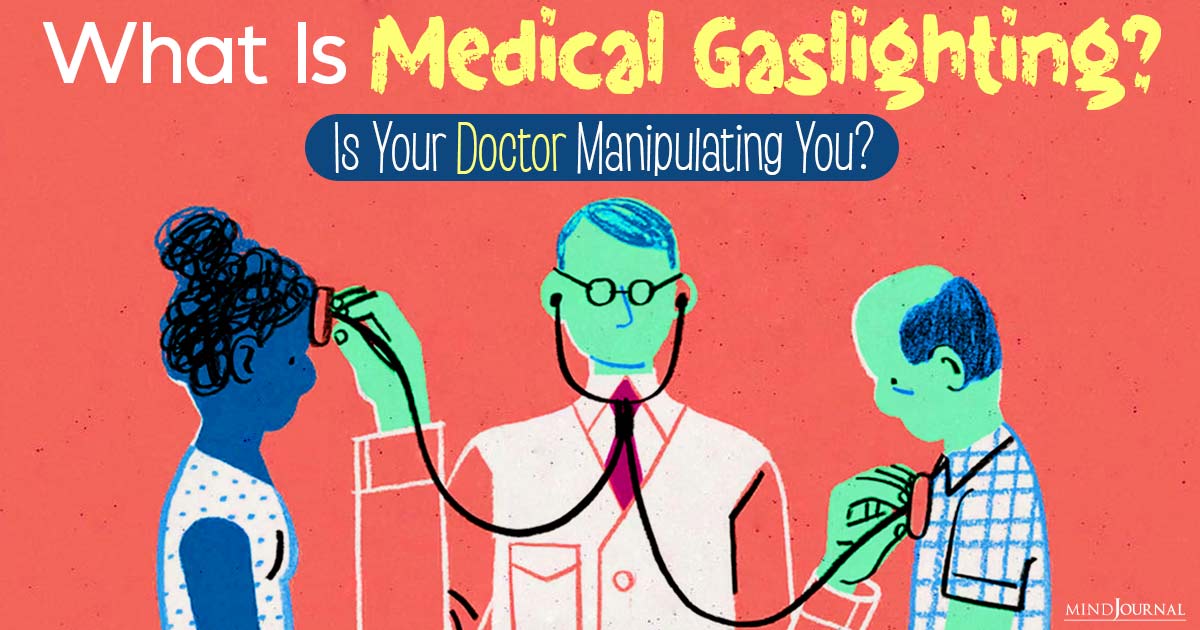
Is Your Doctor Manipulating You? How To Recognize And Respond To Medical Gaslighting

Author : Theo Harrison

Have you ever felt like your healthcare provider wasn’t taking your symptoms seriously? You’re not alone. Medical gaslighting is a form of psychological manipulation that can have serious consequences. Let’s explore what it is and what you can do about it.

Is your doctor gaslighting you? 

Have you ever experienced symptoms that seem obvious to you yet your doctors claim “don’t exist”

Have you been told your symptoms are “all in your head” when you know they’re very real? 

If so, you may have been a victim of medical gaslighting.

We trust our doctors to take good care of our health. But sometimes doctors dismiss valid medical concerns or symptoms, causing harm and distress. This is known as medical gaslighting.

While not intentional in all cases, medical gaslighting can have serious consequences for patients. It can delay proper diagnoses and treatment, damage the doctor-patient relationship, and cause psychological distress.

What is medical gaslighting?

Medical gaslighting is a form of abuse in which a healthcare provider intentionally deceives or misleads a patient in order to make them doubt their own perceptions or experiences.

It occurs when a patient’s concerns or symptoms are dismissed, downplayed, or ignored by healthcare providers. In some cases, healthcare providers may even suggest that the patient’s symptoms are not real or are all in their head. 

Related: Gaslighting Explained: Everything You Need To Know About Gaslighting

This can be done through verbal statements, nonverbal communication, or by withholding information. This type of manipulation can have a devastating impact on patients, leading to –

  • Confusion
  • Frustration
  • Helplessness
  • Anxiety
  • Depression
  • Distrust of the medical system

Medical gaslighting can be particularly damaging for patients who are already struggling with their health and wellbeing.

Signs of medical gaslighting

Is your doctor manipulating or gaslighting you? Wondering how to recognize medical gaslighting? Here are some signs of medical gaslighting that you should be aware of:

1. Your healthcare provider dismisses your concerns or symptoms as insignificant or not worth investigating.

2. Your healthcare provider suggests that your symptoms are “all in your head” or due to stress or anxiety, without conducting a thorough evaluation or ordering necessary tests.

3. Your healthcare provider blames you for your symptoms, suggesting that they are the result of lifestyle choices or behaviors, without considering other potential causes.

4. Your healthcare provider uses medical jargon or complex language that you don’t understand, making you feel like you are not intelligent enough to participate in your own healthcare.

5. Your healthcare provider interrupts you when you are speaking or refuses to listen to your concerns.

6. Your healthcare provider minimizes the impact of your symptoms by suggesting that they are a normal part of aging or that everyone experiences them.

Learning to identify these signs is how to recognize medical gaslighting. 

If you are experiencing any of these signs of medical gaslighting, it’s important to speak up and advocate for yourself. You have the right to receive quality healthcare and to have your concerns and symptoms taken seriously.

Examples of medical gaslighting

Here are a few examples of medical gaslighting –

1. A patient reports experiencing chronic pain, but their healthcare provider dismisses their pain as “just stress” or “all in your head.” 

2. A patient reports feeling depressed or anxious, but their healthcare provider suggests that they are just “feeling down” or “going through a tough time.” 

3. A patient reports experiencing symptoms that are dismissed as “normal” or “expected” for someone of their age or gender. 

4. A patient reports experiencing symptoms that are dismissed as “not serious” or “not urgent.” 

In these cases, the doctor may not take the necessary steps to diagnose the underlying causes or avoid conducting a thorough evaluation, which can delay the diagnosis and treatment of a serious medical condition, causing the patient to suffer.

Related: 5 Things That Someone Who Is Gaslighting You Will Say

Effects of medical gaslighting

Medical gaslighting can have serious consequences for patients. When patients feel like their concerns are not being taken seriously, they may be less likely to seek medical care in the future. 

This can lead to delayed diagnoses and treatment, which can have serious implications for their health and wellbeing.

In addition to physical consequences and effects of medical gaslighting, it can also have psychological consequences. Patients who have been gaslit may experience anxiety, depression, and a sense of helplessness. 

They may also begin to doubt their own experiences and feel like they cannot trust their own perceptions.

How to deal with medical gaslighting

If you think you are being gaslighted by a healthcare provider, there are a few things you can do to protect yourself. 

  1. First, try to stay calm and assertive. Do not let the provider bully you or make you feel like you are crazy. 
  2. Second, ask the provider to explain their reasoning in detail. Do not accept vague or dismissive answers. 
  3. Third, you can ask for a second opinion if the provider is still not being helpful. You may even file a complaint with the medical board.

Here are some other steps  you can take to advocate for yourself and ensure that you receive the care you need – 

  • Speak up about your concerns and about being taken seriously
  • Bringing a friend or family member to your appointments
  • Do your research before your appointment 
  • Find a new healthcare provider who is willing to listen 
  • Seek support from a mental health professional, if needed

Takeaway

Medical gaslighting is a serious issue that can have long-term consequences for patients. It is important for healthcare providers to listen to their patients and take their concerns seriously. If you think you have been a victim of medical gaslighting, know that you are not alone. 

There are steps you can take to advocate for yourself and ensure that you receive the care you need. Remember to speak up, do your research, and seek support if needed. 

Your health and wellbeing are important, and you deserve to be treated with respect and dignity in all healthcare settings.

Related: When Gaslighted, How To Forgive Yourself?


Frequently Asked Questions (FAQs):

What is a medical gaslighter?

A medical gaslighter is a person who manipulates or invalidates a patient’s symptoms or concerns, leading to psychological distress.

What is medical ghosting?

Medical ghosting is when a healthcare professional stops communicating with a patient without explanation or notice, causing harm and distress.

How do I stop gaslighting myself medically?

To stop gaslighting yourself medically, trust your instincts, educate yourself, seek a second opinion, and communicate openly with your healthcare provider.

Published On:

Last updated on:

Theo Harrison

Hey there! I am just someone trying to find my way through life. I am a reader, writer, traveler, fighter, philosopher, artist and all around nice guy. I am outdoor person but heavily into technology, science, psychology, spiritualism, Buddhism, martial arts and horror films. I believe in positive action more than positive thinking.

Disclaimer: The informational content on The Minds Journal have been created and reviewed by qualified mental health professionals. They are intended solely for educational and self-awareness purposes and should not be used as a substitute for professional medical advice, diagnosis, or treatment. If you are experiencing emotional distress or have concerns about your mental health, please seek help from a licensed mental health professional or healthcare provider.

Leave a Comment

Today's Horoscope

Daily Horoscope 25 March 2026: Prediction for Zodiac Signs

Daily Horoscope 25 March, 2026: Prediction For Each Zodiac Sign

Today, the message is simple: stop running on autopilot.

Latest Quizzes

Image Personality Test: Which Woman Reveals Your True Self?

Which Woman Are You? A Personality Test That Reveals Your True Inner Nature

This personality test reveals your true self based on the woman you choose. Simple, fun, and surprisingly accurate!

Latest Quotes

The Hardest Pill to Swallow: When You Meant Little to Those Who Meant Everything to You

The Hardest Pill to Swallow: When You Meant Little to Those Who Meant Everything to You

The hardest pill to swallow is realizing you meant so little in a one sided relationship. That heartbreak hurts, humbles, and ultimately teaches you to stop overgiving and start choosing yourself.

Readers Blog

Caption This Image and Selected Wisepicks – 22 March 2026

Caption This Image and Selected Wisepicks – 22 March 2026

Ready to unleash your inner wordsmith? ✨??☺️ Now’s your chance to show off your wit, charm, or sheer genius in just one line! Whether it’s laugh-out-loud funny or surprisingly deep, we want to hear it.Submit your funniest, wittiest, or most thought-provoking caption in the comments. We’ll pick 15+ winners to be featured on our website…

Latest Articles

Have you ever felt like your healthcare provider wasn’t taking your symptoms seriously? You’re not alone. Medical gaslighting is a form of psychological manipulation that can have serious consequences. Let’s explore what it is and what you can do about it.

Is your doctor gaslighting you? 

Have you ever experienced symptoms that seem obvious to you yet your doctors claim “don’t exist”

Have you been told your symptoms are “all in your head” when you know they’re very real? 

If so, you may have been a victim of medical gaslighting.

We trust our doctors to take good care of our health. But sometimes doctors dismiss valid medical concerns or symptoms, causing harm and distress. This is known as medical gaslighting.

While not intentional in all cases, medical gaslighting can have serious consequences for patients. It can delay proper diagnoses and treatment, damage the doctor-patient relationship, and cause psychological distress.

What is medical gaslighting?

Medical gaslighting is a form of abuse in which a healthcare provider intentionally deceives or misleads a patient in order to make them doubt their own perceptions or experiences.

It occurs when a patient’s concerns or symptoms are dismissed, downplayed, or ignored by healthcare providers. In some cases, healthcare providers may even suggest that the patient’s symptoms are not real or are all in their head. 

Related: Gaslighting Explained: Everything You Need To Know About Gaslighting

This can be done through verbal statements, nonverbal communication, or by withholding information. This type of manipulation can have a devastating impact on patients, leading to –

  • Confusion
  • Frustration
  • Helplessness
  • Anxiety
  • Depression
  • Distrust of the medical system

Medical gaslighting can be particularly damaging for patients who are already struggling with their health and wellbeing.

Signs of medical gaslighting

Is your doctor manipulating or gaslighting you? Wondering how to recognize medical gaslighting? Here are some signs of medical gaslighting that you should be aware of:

1. Your healthcare provider dismisses your concerns or symptoms as insignificant or not worth investigating.

2. Your healthcare provider suggests that your symptoms are “all in your head” or due to stress or anxiety, without conducting a thorough evaluation or ordering necessary tests.

3. Your healthcare provider blames you for your symptoms, suggesting that they are the result of lifestyle choices or behaviors, without considering other potential causes.

4. Your healthcare provider uses medical jargon or complex language that you don’t understand, making you feel like you are not intelligent enough to participate in your own healthcare.

5. Your healthcare provider interrupts you when you are speaking or refuses to listen to your concerns.

6. Your healthcare provider minimizes the impact of your symptoms by suggesting that they are a normal part of aging or that everyone experiences them.

Learning to identify these signs is how to recognize medical gaslighting. 

If you are experiencing any of these signs of medical gaslighting, it’s important to speak up and advocate for yourself. You have the right to receive quality healthcare and to have your concerns and symptoms taken seriously.

Examples of medical gaslighting

Here are a few examples of medical gaslighting –

1. A patient reports experiencing chronic pain, but their healthcare provider dismisses their pain as “just stress” or “all in your head.” 

2. A patient reports feeling depressed or anxious, but their healthcare provider suggests that they are just “feeling down” or “going through a tough time.” 

3. A patient reports experiencing symptoms that are dismissed as “normal” or “expected” for someone of their age or gender. 

4. A patient reports experiencing symptoms that are dismissed as “not serious” or “not urgent.” 

In these cases, the doctor may not take the necessary steps to diagnose the underlying causes or avoid conducting a thorough evaluation, which can delay the diagnosis and treatment of a serious medical condition, causing the patient to suffer.

Related: 5 Things That Someone Who Is Gaslighting You Will Say

Effects of medical gaslighting

Medical gaslighting can have serious consequences for patients. When patients feel like their concerns are not being taken seriously, they may be less likely to seek medical care in the future. 

This can lead to delayed diagnoses and treatment, which can have serious implications for their health and wellbeing.

In addition to physical consequences and effects of medical gaslighting, it can also have psychological consequences. Patients who have been gaslit may experience anxiety, depression, and a sense of helplessness. 

They may also begin to doubt their own experiences and feel like they cannot trust their own perceptions.

How to deal with medical gaslighting

If you think you are being gaslighted by a healthcare provider, there are a few things you can do to protect yourself. 

  1. First, try to stay calm and assertive. Do not let the provider bully you or make you feel like you are crazy. 
  2. Second, ask the provider to explain their reasoning in detail. Do not accept vague or dismissive answers. 
  3. Third, you can ask for a second opinion if the provider is still not being helpful. You may even file a complaint with the medical board.

Here are some other steps  you can take to advocate for yourself and ensure that you receive the care you need – 

  • Speak up about your concerns and about being taken seriously
  • Bringing a friend or family member to your appointments
  • Do your research before your appointment 
  • Find a new healthcare provider who is willing to listen 
  • Seek support from a mental health professional, if needed

Takeaway

Medical gaslighting is a serious issue that can have long-term consequences for patients. It is important for healthcare providers to listen to their patients and take their concerns seriously. If you think you have been a victim of medical gaslighting, know that you are not alone. 

There are steps you can take to advocate for yourself and ensure that you receive the care you need. Remember to speak up, do your research, and seek support if needed. 

Your health and wellbeing are important, and you deserve to be treated with respect and dignity in all healthcare settings.

Related: When Gaslighted, How To Forgive Yourself?


Frequently Asked Questions (FAQs):

What is a medical gaslighter?

A medical gaslighter is a person who manipulates or invalidates a patient’s symptoms or concerns, leading to psychological distress.

What is medical ghosting?

Medical ghosting is when a healthcare professional stops communicating with a patient without explanation or notice, causing harm and distress.

How do I stop gaslighting myself medically?

To stop gaslighting yourself medically, trust your instincts, educate yourself, seek a second opinion, and communicate openly with your healthcare provider.

Published On:

Last updated on:

Theo Harrison

Hey there! I am just someone trying to find my way through life. I am a reader, writer, traveler, fighter, philosopher, artist and all around nice guy. I am outdoor person but heavily into technology, science, psychology, spiritualism, Buddhism, martial arts and horror films. I believe in positive action more than positive thinking.

Leave a Comment

    Leave a Comment