Are You The ‘Default Parent’? 8 Signs Of Burnout And Resentment Every Caregiver Should Know

Author : Daisy Simon

Are You The ‘Default Parent’? 8 Signs Of Burnout And Resentment Every Caregiver Should Know

Ever noticed that when your child needs something, whether it’s a snack, a homework question, or a late-night cuddle, they almost always call for you first? Even if your partner is sitting right there, if this sounds familiar, you’re probably the default parent!

Your kids instinctively run to you. And when a birthday party or school event is coming up, you’re the one who magically remembers the details without being asked. Even teachers call your number before anyone else.

The default parent problem is something many families don’t talk about enough. One person becomes the go-to for everything child-related while another steps in occasionally but isn’t expected to carry the mental and emotional weight.

It may sound normal but but eventually, being the one who holds everything together can leave you feeling drained, resentful, and overwhelmed. And here’s something important: being the default parent isn’t limited to mothers or fathers. Sometimes, it’s a grandparent stepping in when the parents can’t.

Other times, it’s an older sibling who has to grow up too quickly and take responsibility for their younger brothers and sisters. In any household where one person consistently carries the load, the default parent dynamic exists.
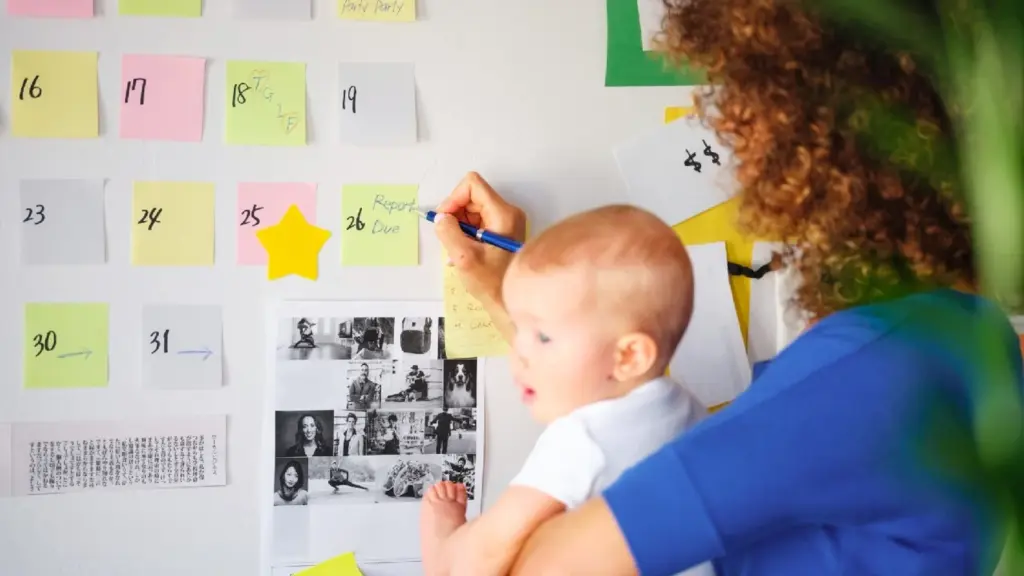
default parent
the default parent problem

Read More Here: Is Your Kid Acting Entitled? These 5 Signs Say Yes!

So, What Is A Default Parent?

The default parent is the caregiver, or sometimes sibling or family member, who carries the invisible workload of caring for others. You’re not just cooking meals, running errands, or helping with homework. You’re also:

  • Making sure birthdays, holidays, and special events aren’t forgotten.
  • Knowing everyone’s preferences, allergies, and habits by heart
  • Keeping track of medical appointments and school schedules.
  • Being “on call” at all hours, no matter what else is happening.

It’s not only about the tasks you do but the constant mental checklist running in your head.

But This Can Also Lead To Default Parent Resentment…

The truth is, resentment doesn’t mean you don’t love your family. It means you’re running on empty and want to feel supported.

It quietly starts when your partner relaxes on the couch and you’re packing school bags. Maybe you feel annoyed when you have to ask for help instead of someone just noticing what needs to be done.

Or, in the case of siblings who became default parents, maybe you feel frustrated that you never got to just “be a kid” because you were forced into responsibility too soon. And over time, these feelings add up.

Default parent resentment often sounds like:

  • “Why am I always the one who has to remember everything?”
  • “Why do I feel like I’m doing this alone even though I’m not a single parent?”
  • “Why was it on me to grow up early when others got to be carefree?”
  • “Why do the kids never go to their dad/mom for help?”

So, burnout is more than being tired, it’s when you feel emotionally and physically depleted. Even small tasks feel heavy, and the joy of caring for others starts to fade. And the resentment that builds without relief, it can spiral into default parent burnout.

It often leaves you feeling guilty, too. You might think, “I should be grateful. I love my family. Why can’t I just handle this?” But carrying the constant weight of responsibility isn’t sustainable, no matter how strong or loving you are.

8 Signs Of Default Parent Burnout and Resentment

If you’re wondering whether you’re sliding into burnout, here are some clear signs to watch for:

1. You’re always exhausted

Even after rest, you wake up drained because your mind never fully shuts off.

2. You’re more irritable than usual

You snap over little things and sometimes regret how you reacted.

3. You can’t turn off the mental list

There’s always something to remember, plan, or worry about.

4. You resent other people’s free time

Whether it’s your partner’s nap, your sibling’s carefree lifestyle, or your friend’s weekend away, you wish you had that kind of freedom.

5. You’ve lost your sense of self

You can’t remember the last time you did something just for you, without factoring in everyone else’s needs.

6. You feel emotionally distant

Instead of enjoying time with family, you’re just “getting through it.”

7. You avoid responsibilities

You procrastinate or let things slide because you’re too overwhelmed.

8. You feel guilty

Guilty for needing space, guilty for being resentful, and guilty for not loving every moment the way you feel you’re “supposed to.”

Read More Here: 7 Gentle Ways To Start Reparenting Your Inner Child Today!

Being the default parent, whether as a mother, father, grandparent, or sibling, doesn’t mean you have to accept burnout and resentment as normal. Experiencing these signs don’t mean you’re weak or ungrateful. They mean you’ve been carrying too much for too long.

The dynamic in your house needs to shift, and you could start by having open conversations about responsibilities, setting boundaries, or making sure you take out guilt-free time for yourself.

You can still be the dependable person your family looks up to while also protecting your well-being.

So stop running on empty or feeling resentful, don’t ignore these red flags!


what is a default parent
the default parent problem

Published On:

Last updated on:

Daisy Simon

I’m Daisy Simon, member of the Editorial Team at Minds Journal, who loves exploring the cultural zeitgeist through cinema, and pop culture. I hold a degree in Sociology and I write on topics like lifestyle, relationships, feminism, mental health, and how they all connect to the world we live in today. My goal is to spark honest conversations that people can relate to and help us better understand the challenges and ideas shaping our generation.

Disclaimer: The informational content on The Minds Journal have been created and reviewed by qualified mental health professionals. They are intended solely for educational and self-awareness purposes and should not be used as a substitute for professional medical advice, diagnosis, or treatment. If you are experiencing emotional distress or have concerns about your mental health, please seek help from a licensed mental health professional or healthcare provider.

Leave a Comment

Today's Horoscope

Your Daily Horoscope For 18 March 2026: Free Predictions

Daily Horoscope 18 March, 2026: Prediction For Each Zodiac Sign

Start your day with cosmic guidance. Read your daily horoscope for 18 March and uncover your free horoscope today!

Latest Quizzes

Free Vase Personality Test: 3 Options; Choose A Vase

Vase Personality Test: Your First Pick Reveals Your Main Character Trait

Take a moment, look closely, and pick an object that represents you.

Latest Quotes

Apology And Change: Why True Remorse Erases The Past

Apology And Change: Why True Remorse Erases The Past

If you offer a sincere apology and change your behavior, I'll never bring up our past issues again. But without it, you can't ask me to forget—the "past" is just "haven't changed."

Readers Blog

Caption This Image and Selected Wisepicks – 15 March 2026

Caption This Image and Selected Wisepicks – 15 March 2026

Ready to unleash your inner wordsmith? ✨??☺️ Now’s your chance to show off your wit, charm, or sheer genius in just one line! Whether it’s laugh-out-loud funny or surprisingly deep, we want to hear it.Submit your funniest, wittiest, or most thought-provoking caption in the comments. We’ll pick 15+ winners to be featured on our website…

Latest Articles

Are You The ‘Default Parent’? 8 Signs Of Burnout And Resentment Every Caregiver Should Know

Ever noticed that when your child needs something, whether it’s a snack, a homework question, or a late-night cuddle, they almost always call for you first? Even if your partner is sitting right there, if this sounds familiar, you’re probably the default parent!

Your kids instinctively run to you. And when a birthday party or school event is coming up, you’re the one who magically remembers the details without being asked. Even teachers call your number before anyone else.

The default parent problem is something many families don’t talk about enough. One person becomes the go-to for everything child-related while another steps in occasionally but isn’t expected to carry the mental and emotional weight.

It may sound normal but but eventually, being the one who holds everything together can leave you feeling drained, resentful, and overwhelmed. And here’s something important: being the default parent isn’t limited to mothers or fathers. Sometimes, it’s a grandparent stepping in when the parents can’t.

Other times, it’s an older sibling who has to grow up too quickly and take responsibility for their younger brothers and sisters. In any household where one person consistently carries the load, the default parent dynamic exists.

default parent
the default parent problem

Read More Here: Is Your Kid Acting Entitled? These 5 Signs Say Yes!

So, What Is A Default Parent?

The default parent is the caregiver, or sometimes sibling or family member, who carries the invisible workload of caring for others. You’re not just cooking meals, running errands, or helping with homework. You’re also:

  • Making sure birthdays, holidays, and special events aren’t forgotten.
  • Knowing everyone’s preferences, allergies, and habits by heart
  • Keeping track of medical appointments and school schedules.
  • Being “on call” at all hours, no matter what else is happening.

It’s not only about the tasks you do but the constant mental checklist running in your head.

But This Can Also Lead To Default Parent Resentment…

The truth is, resentment doesn’t mean you don’t love your family. It means you’re running on empty and want to feel supported.

It quietly starts when your partner relaxes on the couch and you’re packing school bags. Maybe you feel annoyed when you have to ask for help instead of someone just noticing what needs to be done.

Or, in the case of siblings who became default parents, maybe you feel frustrated that you never got to just “be a kid” because you were forced into responsibility too soon. And over time, these feelings add up.

Default parent resentment often sounds like:

  • “Why am I always the one who has to remember everything?”
  • “Why do I feel like I’m doing this alone even though I’m not a single parent?”
  • “Why was it on me to grow up early when others got to be carefree?”
  • “Why do the kids never go to their dad/mom for help?”

So, burnout is more than being tired, it’s when you feel emotionally and physically depleted. Even small tasks feel heavy, and the joy of caring for others starts to fade. And the resentment that builds without relief, it can spiral into default parent burnout.

It often leaves you feeling guilty, too. You might think, “I should be grateful. I love my family. Why can’t I just handle this?” But carrying the constant weight of responsibility isn’t sustainable, no matter how strong or loving you are.

8 Signs Of Default Parent Burnout and Resentment

If you’re wondering whether you’re sliding into burnout, here are some clear signs to watch for:

1. You’re always exhausted

Even after rest, you wake up drained because your mind never fully shuts off.

2. You’re more irritable than usual

You snap over little things and sometimes regret how you reacted.

3. You can’t turn off the mental list

There’s always something to remember, plan, or worry about.

4. You resent other people’s free time

Whether it’s your partner’s nap, your sibling’s carefree lifestyle, or your friend’s weekend away, you wish you had that kind of freedom.

5. You’ve lost your sense of self

You can’t remember the last time you did something just for you, without factoring in everyone else’s needs.

6. You feel emotionally distant

Instead of enjoying time with family, you’re just “getting through it.”

7. You avoid responsibilities

You procrastinate or let things slide because you’re too overwhelmed.

8. You feel guilty

Guilty for needing space, guilty for being resentful, and guilty for not loving every moment the way you feel you’re “supposed to.”

Read More Here: 7 Gentle Ways To Start Reparenting Your Inner Child Today!

Being the default parent, whether as a mother, father, grandparent, or sibling, doesn’t mean you have to accept burnout and resentment as normal. Experiencing these signs don’t mean you’re weak or ungrateful. They mean you’ve been carrying too much for too long.

The dynamic in your house needs to shift, and you could start by having open conversations about responsibilities, setting boundaries, or making sure you take out guilt-free time for yourself.

You can still be the dependable person your family looks up to while also protecting your well-being.

So stop running on empty or feeling resentful, don’t ignore these red flags!


what is a default parent
the default parent problem

Published On:

Last updated on:

Daisy Simon

I’m Daisy Simon, member of the Editorial Team at Minds Journal, who loves exploring the cultural zeitgeist through cinema, and pop culture. I hold a degree in Sociology and I write on topics like lifestyle, relationships, feminism, mental health, and how they all connect to the world we live in today. My goal is to spark honest conversations that people can relate to and help us better understand the challenges and ideas shaping our generation.

Leave a Comment

    Leave a Comment