

Have you ever noticed how some narcissistic celebrities spiral when things don’t go their way? From explosive rants to public blame games, celebrities who are narcissists often reveal their true colors when cornered. These moments expose the classic tactics narcissists use, which includes the sneaky manipulation tactics narcissists use to shift blame, protect their ego, and stay in control.
Whether it’s a red carpet meltdown or a chaotic Instagram rant, their reactions offer a masterclass in denial, deflection, and drama. Let’s take a closer look at what really happens when the spotlight turns against them.
When narcissistic, controlling people feel backed into a corner, meaning they’re exposed, challenged, or losing control, they tend to react with a range of defensive, aggressive, or manipulative behaviors.
Their reactions stem from a fragile ego, a deep-seated fear of losing power, and an inability to process shame or vulnerability in a healthy way.
Some of the most high-profile examples of this play out with celebrities who have controlling or narcissistic tendencies and can’t handle being held accountable.
We’re going to do something completely different today.
I’m going to dive into three current and past celebrity cases: Ryan Reynolds’ role in the legal battle involving Blake Lively and Justin Baldoni, Bill Cosby’s downfall, and Kevin Spacey’s courtroom drama, to examine exactly what people with narcissistic tendencies do when they’re backed into a corner.
Related: 5 Cruel Things A Narcissist Does To Torture You
More importantly, we’ll discuss what you can learn from these situations when dealing with narcissistic, manipulative people in your own life.
Way back in Season 3, I did an episode on how to deal with a narcissist where I break down the four kinds of narcissism, which I really want you to check out if you think there’s a narcissist in your life.
Today, I’m doing a different take on it in hopes of giving you yet another viewpoint to help yourself if you’re in a relationship with someone with narcissistic tendencies.
Although I do have celebrities in my practice, I’ve never worked with (or even met) any of the celebrities I’m going to discuss today.
It’s important not to diagnose people from afar, which is why I’m saying people with narcissistic tendencies or controlling behavior because that I can objectively name, given certain people’s consistent behaviors and reactions.
Also, these cases might be controversial to you. If so, take them with a grain of salt.
Before we dive into the case studies, and what you can learn from them, let’s break down the core tactics narcissists use when their ego and control are under attack.
The Playbook of a Cornered Narcissist
There are ten typical responses of people with controlling or narcissistic tendencies. Let’s discuss each and the psychological reasons behind them.
1. Narcissistic Rage
- What it looks like: Explosive anger, verbal attacks, name-calling, threats, or even physical aggression.
- Why it happens: When their grandiose self-image is threatened, they react with rage to intimidate and regain control. The underlying fear is that they’re not as powerful or superior as they believe.
2. Victim Mentality & Playing the Martyr
- What it looks like: They claim to be the real victim, accusing others of being unfair, abusive, or “ganging up” on them.
- Why it happens: This is a manipulation tactic to shift attention away from their wrongdoing and make others feel guilty, hoping to regain control through sympathy.
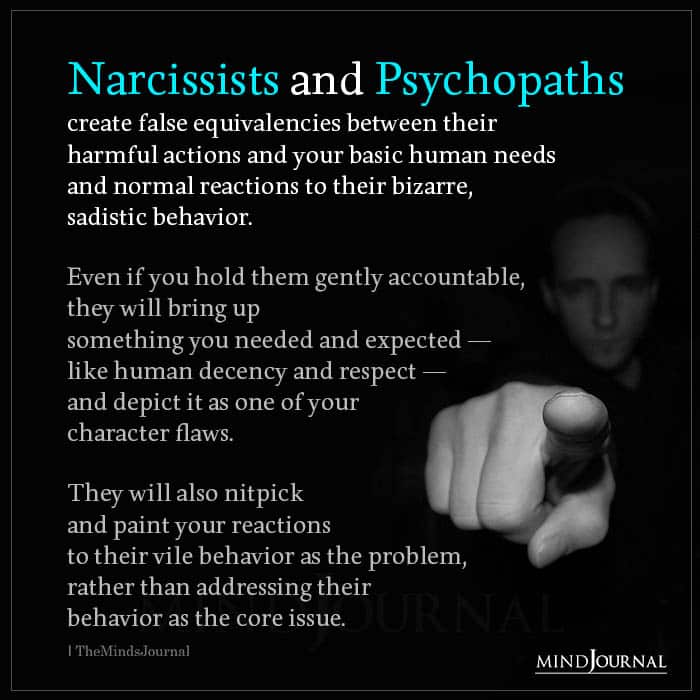
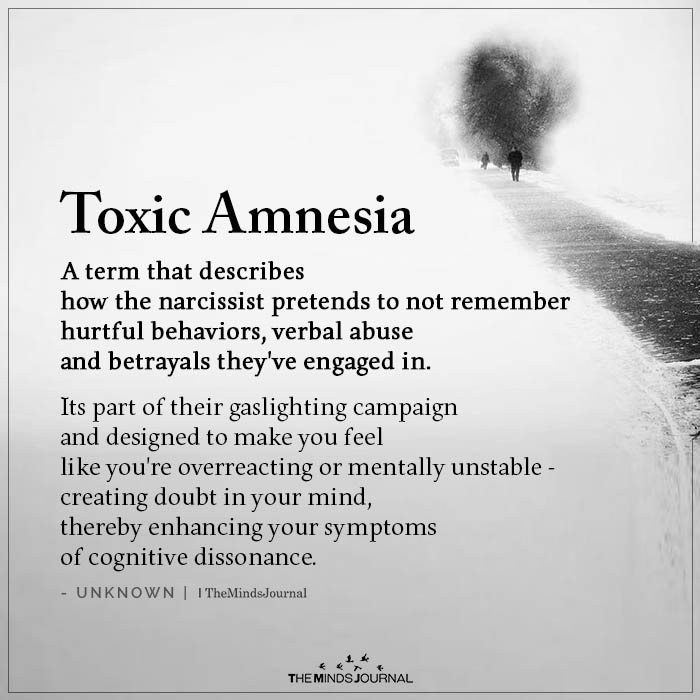
3. Gaslighting & Reality Distortion
- What it looks like: Denying facts, rewriting history, or making others question their own memory and perception. (“I never said that.” “You’re imagining things.” “You’re being too sensitive.”)
- Why it happens: They can’t tolerate being wrong or exposed, so they manipulate reality to protect their self-image.
4. Silent Treatment & Stonewalling
- What it looks like: Ignoring, withdrawing, refusing to engage in conversation, or giving the cold shoulder.
- Why it happens: It’s a control mechanism meant to punish and make the other person desperate for their attention, reinforcing their power.
5. Projection & Blame-Shifting
- What it looks like: Accusing others of the very things they’re guilty of (“You’re the one who’s controlling!” “You’re the narcissist!”).
- Why it happens: They can’t handle personal accountability, so they deflect blame onto others to avoid facing their own flaws.
6. Triangulation
- What it looks like: Bringing a third party (or more) into the conflict to validate their side, turn people against each other, or create confusion.
- Why it happens: They need to maintain control by ensuring others are on their side and by making their target feel isolated.
7. Love Bombing & Fake Remorse
- What it looks like: Over-the-top apologies, grand gestures, or suddenly being affectionate and loving.
- Why it happens: This is damage control. If they feel they’re losing their grip, they’ll temporarily act “nice” to reel the person back in, only to resume their toxic behavior once they feel safe again.
8. Smear Campaigns & Character Assassination
- What it looks like: Spreading lies, twisting stories, and trying to ruin the reputation of the person confronting them.
- Why it happens: If they can’t control the person directly, they’ll try to control how others perceive them.
9. Self-Destructive Behavior or Feigned Crisis
- What it looks like: Threatening self-harm, sabotaging themselves, or creating a dramatic crisis to divert attention.
- Why it happens: This is an extreme form of manipulation to regain control by making others feel responsible for their well-being.
10. Doubling Down on Control & Escalation
- What it looks like: If they still feel cornered, they may increase controlling behaviors, restricting finances, monitoring communication, or escalating threats.
- Why it happens: If subtle manipulation fails, they resort to outright coercion to maintain dominance.
Celebrities Who Are Narcissists: Lessons From Celebrities Who Lost Control
Case Study #1: Ryan Reynolds, The Puppet Master of the Smear Campaign
The ongoing legal battle between Blake Lively and Justin Baldoni over It Ends With Us provides a fascinating look at how powerful figures react when challenged.
Reports suggest that while Lively is at the forefront, Ryan Reynolds may be the true orchestrator behind the scenes, using his influence to control the narrative.
- Smear Campaigns: Accusations have flown that Baldoni has been painted in an unfair light, with Reynolds allegedly pulling strings to sway media coverage in favor of Lively.
- Triangulation: There was a lot of “getting people on their side,” with Blake even calling Taylor Swift one of her “dragons.”
- Public Image Manipulation: Reynolds, a known PR master, has subtly used his charm and humor to downplay the situation, even joking about it at the SNL special.
- Legal Power Moves: Lawsuits and countersuits have piled up, showcasing how the legal system is often wielded as a weapon rather than a path to justice.
- Doubling Down: The lawsuits and accusations keep coming!
Lesson for You: When dealing with manipulative people, expect them to recruit others to their side and distort the narrative.
The best defense? Stick to clear boundaries, avoid engaging in their drama, and don’t let them control the storyline.
Related: Anatomy Of A Manipulator: What Makes Someone So Good at Playing You?
Case Study #2: Bill Cosby, The Grandmaster of Denial and Legal Warfare
Bill Cosby’s fall from grace is a masterclass in how a narcissist fights back when exposed. As multiple women came forward accusing him of sexual assault, Cosby’s responses followed the classic narcissistic playbook:
- Denial and Gaslighting: When allegations first surfaced, Cosby flat-out denied them, calling them “ridiculous” and claiming the women were lying. He and his legal team framed the accusations as an attempt to extort money from him.
- Victim Mentality & Playing the Martyr: Cosby claimed he was being unfairly targeted because of his race and success, portraying himself as the victim of a media conspiracy.
- Smear Campaign Against Accusers: Cosby’s legal team and supporters attempted to discredit his accusers by questioning their credibility, past behavior, and motives. They implied that the women were either after money or seeking revenge.
- Projection & Blame-Shifting: Cosby not only denied responsibility but suggested that his accusers were fabricating stories for personal gain, even calling the #MeToo movement a “witch hunt.”
- Silent Treatment & Refusal to Engage: For years, Cosby refused to acknowledge the accusations publicly, dodging interviews and avoiding discussions about the allegations.
- Feigned Crisis: Once convicted, Cosby and his team played up his age and health issues, portraying him as a frail, nearly blind old man who didn’t belong in prison.
- Retaliation and Escalation: Even after his conviction was overturned, Cosby remained defiant, showing no remorse. He hinted at a comeback and continued to frame himself as the victim of injustice.
Lesson for You: If someone in your life denies reality and goes on the offensive when confronted, don’t engage in their distortions. Instead, document facts, get outside support, and don’t let them make you feel like the villain.
Case Study #3: Kevin Spacey, The Master of Deflection and Sympathy Seeking
Yes, Kevin Spacey’s response to his legal troubles closely mirrors the behaviors exhibited by Bill Cosby; both men displayed classic narcissistic, controlling tendencies when backed into a corner.
Spacey’s case provides another example of how individuals with these traits react when their carefully maintained public image is threatened.
- Denial and Gaslighting: When actor Anthony Rapp accused Spacey of making an unwanted sexual advance toward him as a teenager, Spacey responded by claiming he didn’t remember the incident. Instead of directly addressing the accusation, he used vague language, saying, “If I did behave then as he describes, I owe him the sincerest apology.”
- Distraction and Strategic Deflection: In the same statement where he vaguely addressed Rapp’s allegations, Spacey came out as gay. This shift in focus led to backlash, with many accusing him of using his sexuality as a shield to divert attention from the accusations.
- Smear Campaign Against Accusers: As more accusers came forward, Spacey’s legal team attempted to undermine their credibility, questioning their motives and attacking their past behavior. His defense in court included claims that accusers were exaggerating or fabricating stories for attention or financial gain.
- Playing the Victim & Crying Injustice: Spacey has repeatedly framed himself as a victim of cancel culture, portraying the allegations as part of a witch hunt. He claimed he was “unfairly tried in the court of public opinion” and suggested that he was the real target of an unjust system.
- Legal Maneuvering & Delaying Tactics: Spacey and his legal team fought the allegations aggressively, using legal loopholes to delay proceedings. He also sought to have cases dismissed due to technicalities, including one case where an accuser suddenly dropped his lawsuit after refusing to turn over evidence.
- Grandiose Behavior & No Remorse: Even after being acquitted in a London trial in 2023, Spacey remained defiant, giving interviews where he likened himself to a misunderstood figure and insisted he would make a Hollywood comeback. His demeanor in court and public appearances lacked any sign of genuine remorse.
We’re ready for my eight tips for handling narcissists in your own life. I want to remind everyone that I have an online Patreon community called The One Love Collective, and in that community, I’ve got a bunch more tools, tips, and worksheets available to dig deeper into this topic.
8 Tips for Handling Narcissists in Your Own Life
Now that we’ve seen how this plays out in the public eye, here’s what you can do when dealing with a narcissistic, controlling person in your life:
1. Focus on you, not them.
Get out of the emotional blackmail of trying to keep them happy. Regularly remind yourself of your strengths, wants, desires, and goals.
Take time each day to focus on yourself and calibrating your energy so that you’re in control of you and not calibrating to their energy.
2. Don’t engage in their reality warping.
Document facts and rely on objective evidence.
3. Don’t focus on changing them.
Focus on changing your reaction to them. Stay calm & don’t engage in their chaos: Their goal is to provoke an emotional response. It’s key not to give it to them.
4. Hold firm boundaries.
Don’t let guilt, fear, or manipulation drag you back into their control. Don’t be a victim to their actions. Don’t make idle threats – keep your boundaries and be consistent with consequences.
5. You will absolutely get push back so expect it – don’t be surprised.
6. Refuse to play their game.
If they attack you, don’t defend—detach and move on.
Related: 5 Strategies to Deal with a Compulsive Attention Seeker
7. Seek support.
Having an outside perspective helps you stay grounded.
8. Limit or cut contact when necessary
Most narcissists will never change, and the healthiest choice is to remove yourself from their influence.
If you’ve got kids with a narcissistic-type person, I highly recommend checking out my episode on five tips for co-parenting with a toxic ex.

Final Thoughts
Watching celebrities spiral when they’re backed into a corner gives us a front-row seat to how narcissistic, controlling people react under pressure.
While most of us won’t be dealing with multimillion-dollar lawsuits or Hollywood smear campaigns, the same psychological patterns apply in our personal relationships, workplaces, and families.
The key takeaway? Don’t fall for their tactics. Keep your boundaries firm, trust yourself, and never let a narcissist rewrite your reality.
For the One Love Collective Community:
Tier I:
- Journaling Prompts for Better Boundaries with a Narcissist
- The Playbook of a Cornered Narcissist Handout
Tier II:
- Three Tools for Dealing with Controlling, Narcissistic Types
Tier III:
- Walking Away from a Controlling Relationship Worksheet
- The Narcissistic Word Trap Worksheet
Resources for What Narcissists Do When Backed into a Corner
Join Abby’s One Love Collective Community on Patreon!

How to Deal with a Narcissist

Calibration Exercise: Create a Positive Vibration to Start Your Day

Five Tips for Co-Parenting with a Toxic Ex
Check out the Communication Tool Kit for Couples: https://abbymedcalf.com/communication-toolkit/
Written By Abby Medcalf
Originally Appeared On Abby Medcalf


Leave a Comment