The Psychological Benefits Of Nostalgic Music

Author : Shahram Heshmat Ph.D.

Nostalgia is more powerful than you think, especially when it comes to music. There are scores of psychological benefits of nostalgic music, and this article is going to talk about exactly that.

KEY POINTS

  • Nostalgia is a sentimental longing for the past.
  • Music is a powerful source of nostalgia.
  • When the present moment is stressful nostalgia offers a relief.

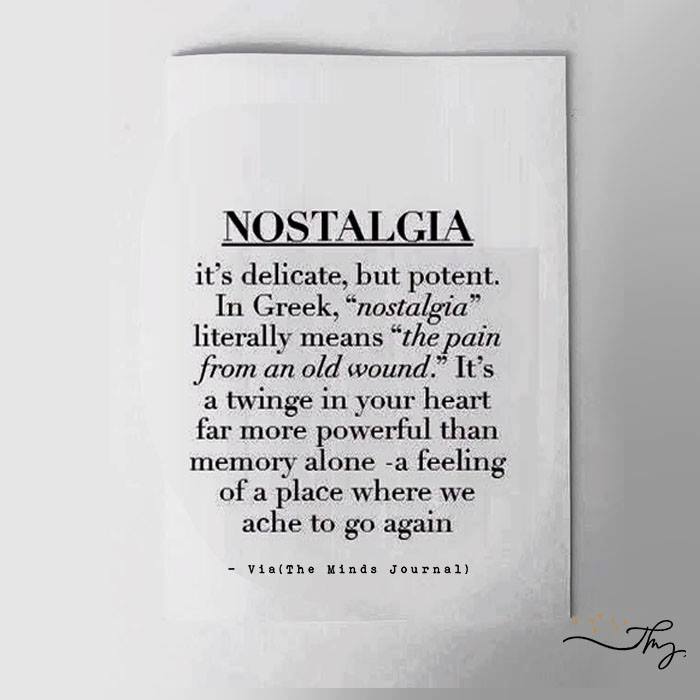
Nostalgia consists of the mixture of pleasure coming from the memory of something lived (e.g., childhood, relationships), and the pain caused by that event being gone forever.

Students graduating from college tend to feel both happy and sad. Nostalgia is universal, innately human, and felt frequently by people of all ages (Routledge, 2015).

Nostalgia is mostly a positive emotional experience that involves reflections on cherished memories (weddings, graduations, holiday celebrations, and vacations). And provides numerous psychological benefits.

Recalling a pleasurable experience (e.g., family vacations or Thanksgiving holidays) can trigger the same original emotions we felt in the past and provide a nostalgic pleasure. Positive emotion can motivate people to seek out nostalgia.

Related: 8 Surprising Ways Music Benefits Your Brain

How Nostalgic Music Can Make You Feel Emotional

Music can transport the listener to past times and places of their life, as well as to the attached emotions. Listening to a piece of music that was played a lot during a significant life event (e.g., a family celebration) many years ago can trigger a deeply nostalgic emotional experience.

The feeling is not in the music, but in what it reminds us. A song can unlock all kinds of feelings (Sedikides et al., 2021).

The memories of nostalgia are not always good. Those who have experienced significant trauma might be triggered by nostalgic music to recall painful memories. For example, in the movie Casablanca, where Rick forbids his bar pianist Sam ever to play โ€œAs Time Goes Byโ€ because of the unbearable feelings of sadness and loss he remembers through the song.
We tend to remember things that happened to us in our adolescence and early adulthood more than at any other time of our lives. According to the reminiscence bump phenomenon, events that took place during adolescence or early adulthood are particularly memorable in later life (Jakubowski, 2021).

The music of our teen years and early 20s tends to stick with us and evoke strong memories when we hear it again. Listening to the same songs over and over during this period can make them stick for a long time.

For older people music-evoked nostalgia can bring about a sense of youthfulness and a feeling of empowerment.

Nostalgia can be considered a self-regulatory tool that people frequently use to boost their mood when feeling down (Sedikides, 2015). When the present moment is stressful, nostalgia offers relief.

This may explain why during times of transition or challenge, people are more likely to experience nostalgia, which may help regulate their emotions. For example, during the COVID lockdowns, people were nostalgic for seeing a movie in a theatre or getting lunch with a friend.

Music evoked nostalgia has the potential to act as a buffer against daily stresses and can stave off loneliness and enhance well-being.

For example, watching an old movie or listening to the music that we enjoyed in high school can help to increase our ability to self-soothe during a stressful time. As a temporary escape, nostalgia can take us to a simpler time of fewer worries and obligations.

Related: What Is Lofi Music? 5 Reasons Why It Is Good For Your Mental Health

Moreover, research shows that nostalgia tends to make people feel more socially connected (Wildschut, 2018). Thinking fondly of old times with loved ones, itโ€™s a way of bringing them closer, even though they may be physically distant or perhaps they are no longer together.

For example, couples with a special song (or a song with meaningful lyrics) that reminds them of an important moment in their relationship will have a stronger bond (Baird, 2019).

In sum, nostalgia is a powerful tool that helps individuals cope with lifeโ€™s stressors. Reflecting on personally meaningful and cherished memories plays a crucial role in helping us to cope with stress.

When we experience a negative mood, we can deliberately seek to listen to a nostalgic song to benefit from the mood-elevating capacity of nostalgia.

References:

Baird, Amee and Thompson, William Forde (2019). When Music Compensates Language: A Case Study of Severe Aphasia in Dementia and the Use of Music by a Spousal Caregiver. Research on Music and Dementia. 39.

Jakubowski, Kelly and Ghosh, Anita (2021). Music-evoked autobiographical memories in everyday life. Psychology of music., 49 (3). pp. 649-666.


Routledge, C. (2015). Nostalgia: A psychological resource. New York: Routledge Press.


Sedikides C., Wildschut T., Routledge C., Arndt J., Hepper E. G., Zhou X. (2015). To nostalgize: Mixing memory with affect and desire. Advances in Experimental Social Psychology, 51, 189โ€“273.


Sedikides C., LeunissenJ. M., Wildschut T. (2021). The psychological benefits of music-evoked nostalgia. Psychology of Music. Advance online publication.


Wildschut, T., Sedikides, C., & Robertson, S. (2018). Sociality and intergenerational transfer of older adultsโ€™ nostalgia. Memory, 26, 1030-1041.

Written By Shahram Heshmat
Originally Appeared On Psychology Today
benefits of nostalgic music

Published On:

Last updated on:

Disclaimer: The informational content on The Minds Journal have been created and reviewed by qualified mental health professionals. They are intended solely for educational and self-awareness purposes and should not be used as a substitute for professional medical advice, diagnosis, or treatment. If you are experiencing emotional distress or have concerns about your mental health, please seek help from a licensed mental health professional or healthcare provider.

Leave a Comment

Today's Horoscope

Daily Horoscope 25 March 2026: Prediction for Zodiac Signs

Daily Horoscope 25 March, 2026: Prediction For Each Zodiac Sign

Today, the message is simple: stop running on autopilot.

Latest Quizzes

Image Personality Test: Which Woman Reveals Your True Self?

Which Woman Are You? A Personality Test That Reveals Your True Inner Nature

This personality test reveals your true self based on the woman you choose. Simple, fun, and surprisingly accurate!

Latest Quotes

The Hardest Pill to Swallow: When You Meant Little to Those Who Meant Everything to You

The Hardest Pill to Swallow: When You Meant Little to Those Who Meant Everything to You

The hardest pill to swallow is realizing you meant so little in a one sided relationship. That heartbreak hurts, humbles, and ultimately teaches you to stop overgiving and start choosing yourself.

Readers Blog

Caption This Image and Selected Wisepicks โ€“ 22 March 2026

Caption This Image and Selected Wisepicks โ€“ 22 March 2026

Ready to unleash your inner wordsmith? โœจ??โ˜บ๏ธ Nowโ€™s your chance to show off your wit, charm, or sheer genius in just one line! Whether itโ€™s laugh-out-loud funny or surprisingly deep, we want to hear it.Submit your funniest, wittiest, or most thought-provoking caption in the comments. Weโ€™ll pick 15+ winners to be featured on our website…

Latest Articles

Nostalgia is more powerful than you think, especially when it comes to music. There are scores of psychological benefits of nostalgic music, and this article is going to talk about exactly that.

KEY POINTS

  • Nostalgia is a sentimental longing for the past.
  • Music is a powerful source of nostalgia.
  • When the present moment is stressful nostalgia offers a relief.

Nostalgia consists of the mixture of pleasure coming from the memory of something lived (e.g., childhood, relationships), and the pain caused by that event being gone forever.

Students graduating from college tend to feel both happy and sad. Nostalgia is universal, innately human, and felt frequently by people of all ages (Routledge, 2015).

Nostalgia is mostly a positive emotional experience that involves reflections on cherished memories (weddings, graduations, holiday celebrations, and vacations). And provides numerous psychological benefits.

Recalling a pleasurable experience (e.g., family vacations or Thanksgiving holidays) can trigger the same original emotions we felt in the past and provide a nostalgic pleasure. Positive emotion can motivate people to seek out nostalgia.

Related: 8 Surprising Ways Music Benefits Your Brain

How Nostalgic Music Can Make You Feel Emotional

Music can transport the listener to past times and places of their life, as well as to the attached emotions. Listening to a piece of music that was played a lot during a significant life event (e.g., a family celebration) many years ago can trigger a deeply nostalgic emotional experience.

The feeling is not in the music, but in what it reminds us. A song can unlock all kinds of feelings (Sedikides et al., 2021).

The memories of nostalgia are not always good. Those who have experienced significant trauma might be triggered by nostalgic music to recall painful memories. For example, in the movie Casablanca, where Rick forbids his bar pianist Sam ever to play โ€œAs Time Goes Byโ€ because of the unbearable feelings of sadness and loss he remembers through the song.

We tend to remember things that happened to us in our adolescence and early adulthood more than at any other time of our lives. According to the reminiscence bump phenomenon, events that took place during adolescence or early adulthood are particularly memorable in later life (Jakubowski, 2021).

The music of our teen years and early 20s tends to stick with us and evoke strong memories when we hear it again. Listening to the same songs over and over during this period can make them stick for a long time.

For older people music-evoked nostalgia can bring about a sense of youthfulness and a feeling of empowerment.

Nostalgia can be considered a self-regulatory tool that people frequently use to boost their mood when feeling down (Sedikides, 2015). When the present moment is stressful, nostalgia offers relief.

This may explain why during times of transition or challenge, people are more likely to experience nostalgia, which may help regulate their emotions. For example, during the COVID lockdowns, people were nostalgic for seeing a movie in a theatre or getting lunch with a friend.

Music evoked nostalgia has the potential to act as a buffer against daily stresses and can stave off loneliness and enhance well-being.

For example, watching an old movie or listening to the music that we enjoyed in high school can help to increase our ability to self-soothe during a stressful time. As a temporary escape, nostalgia can take us to a simpler time of fewer worries and obligations.

Related: What Is Lofi Music? 5 Reasons Why It Is Good For Your Mental Health

Moreover, research shows that nostalgia tends to make people feel more socially connected (Wildschut, 2018). Thinking fondly of old times with loved ones, itโ€™s a way of bringing them closer, even though they may be physically distant or perhaps they are no longer together.

For example, couples with a special song (or a song with meaningful lyrics) that reminds them of an important moment in their relationship will have a stronger bond (Baird, 2019).

In sum, nostalgia is a powerful tool that helps individuals cope with lifeโ€™s stressors. Reflecting on personally meaningful and cherished memories plays a crucial role in helping us to cope with stress.

When we experience a negative mood, we can deliberately seek to listen to a nostalgic song to benefit from the mood-elevating capacity of nostalgia.

References:

Baird, Amee and Thompson, William Forde (2019). When Music Compensates Language: A Case Study of Severe Aphasia in Dementia and the Use of Music by a Spousal Caregiver. Research on Music and Dementia. 39.

Jakubowski, Kelly and Ghosh, Anita (2021). Music-evoked autobiographical memories in everyday life. Psychology of music., 49 (3). pp. 649-666.


Routledge, C. (2015). Nostalgia: A psychological resource. New York: Routledge Press.


Sedikides C., Wildschut T., Routledge C., Arndt J., Hepper E. G., Zhou X. (2015). To nostalgize: Mixing memory with affect and desire. Advances in Experimental Social Psychology, 51, 189โ€“273.


Sedikides C., LeunissenJ. M., Wildschut T. (2021). The psychological benefits of music-evoked nostalgia. Psychology of Music. Advance online publication.


Wildschut, T., Sedikides, C., & Robertson, S. (2018). Sociality and intergenerational transfer of older adultsโ€™ nostalgia. Memory, 26, 1030-1041.

Written By Shahram Heshmat
Originally Appeared On Psychology Today
benefits of nostalgic music

Published On:

Last updated on:

Shahram Heshmat Ph.D.

Leave a Comment

    Leave a Comment