Alarming Surge: Alcohol Related Deaths Among Women On The Rise, New Study Finds

Author :

As reported by Good Morning America, the rising number of alcohol related deaths among women has become a concerning trend, as historically, men were more than twice as likely to die from alcohol-related conditions than women.

Recent research published in JAMA Network on July 28, conducted by researchers from Hofstra University, Harvard Medical School, and the University of South Carolina, analysed nearly 606,000 alcohol related deaths between 1999 and 2020 using data from the Centers for Disease Control and Prevention (CDC).

The study revealed that mortality rates have been on the rise for both genders, with a sharper spike observed among females. While men’s mortality rate increased by 12.5% between 2018 and 2020, the rate of alcohol related deaths among women increased by 14.7%. This trend persisted even after excluding data from the first year of the pandemic.

Related: The Benefits Of Quitting Alcohol For Good: 7 Ways Your Life Changes For The Better

The increasing alcohol related deaths among women raises concerns, as women tend to experience greater health consequences from alcohol consumption compared to men. Dr. Shana Johnson, a physical medicine and rehabilitation physician in Scottsdale, Arizona, expressed concern about the findings, emphasizing the greater health risks women face due to alcohol consumption.

The study linked the deaths to various alcohol-related conditions, such as alcohol-related poisoning, gastritis, cardiomyopathy, myopathy, liver disease, polyneuropathy, and pseudo-Cushing syndrome.

Researchers noted that changing patterns of alcohol consumption among women played a crucial role in understanding the observed trends. Women are now consuming more amounts of alcohol and more often than in the past. This shift might be attributed to the fact that the idea of women consuming alcohol has been normalized to a huge extent in society now. 
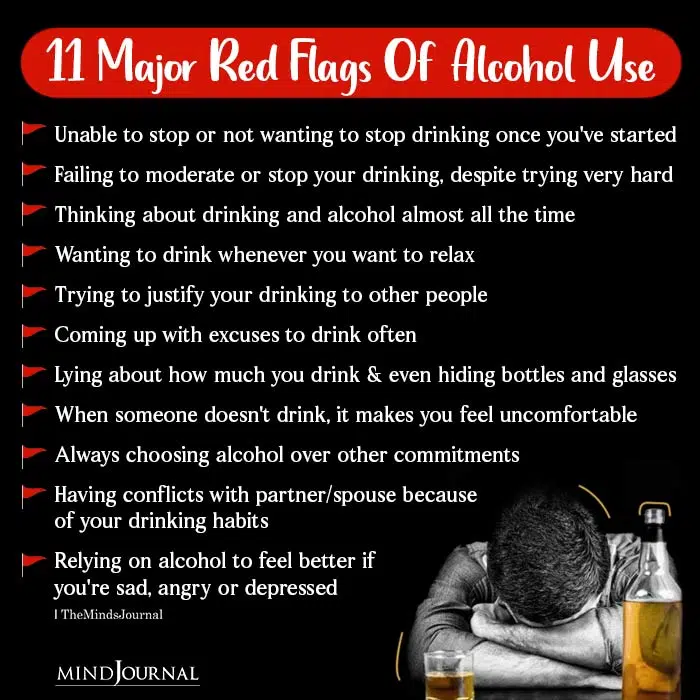
Alcohol related deaths among women

Factors Contributing to the Uptick in Drinking Rates Among Women

Several factors contribute to the uptick in drinking rates among women. One potential reason is the rise in stress levels and stress-related disorders in recent years.

Stress plays a significant role in the development and maintenance of disordered drinking, and women may be turning to alcohol as a coping mechanism to deal with today’s hardships, such as soaring food and housing costs.

Physical factors also contribute to the higher mortality risk among women from alcohol-related conditions. Women generally have a higher percentage of body fat and a lower percentage of body water compared to men, resulting in higher alcohol blood concentrations and potentially increasing vulnerability to complications.

Additionally, hormonal fluctuations, slower alcohol metabolism, higher susceptibility to physiological and organ damage, and greater risk of liver diseases, circulatory disorders, and breast cancer contribute to the higher health risks for women.

Exploring the Research Limitations and Future Considerations

The study had certain limitations. It did not delve into specific factors that may have contributed to alcohol related deaths in women, and it did not fully examine trends among specific age groups or consider historical or generational factors.

Additionally, there was not enough mortality data for females between ages 15 and 24 to establish a trend for that age group.

Related: Cutting Down On Alcohol: 4 Steps To Curb Your Drinking

Addressing the Public Health Concerns

The World Health Organization (WHO) released a statement earlier in the year that there is no safe amount of alcohol consumption. Alcohol is considered a toxic, psychoactive, and dependence-producing substance that can lead to various health risks, including seven types of cancer, such as bowel cancer and female breast cancer.

Alcohol ranks as the fourth-leading preventable cause of mortality in the U.S., leading to over 140,000 deaths annually, affecting approximately 97,000 men and 43,000 women, according to the National Institute on Alcohol Abuse and Alcoholism.

What Do We Do Now?

The rising number of alcohol related deaths in women presents a significant public health concern. The narrowing gap between alcohol related deaths in men and women demands further attention and research to address the factors contributing to this trend.

Stress and changing patterns of alcohol consumption among women play crucial roles in this issue, highlighting the importance of promoting healthier coping mechanisms and raising awareness about the health risks associated with alcohol consumption.

Related: The 4 Pillars Of Sobriety: Navigating The Stages Of Quitting Alcohol

Implementing targeted prevention strategies and early interventions may help mitigate the growing impact of alcohol related deaths among women and improve overall public health outcomes.


alcohol related deaths in women

Published On:

Last updated on:

Disclaimer: The informational content on The Minds Journal have been created and reviewed by qualified mental health professionals. They are intended solely for educational and self-awareness purposes and should not be used as a substitute for professional medical advice, diagnosis, or treatment. If you are experiencing emotional distress or have concerns about your mental health, please seek help from a licensed mental health professional or healthcare provider.

Leave a Comment

Today's Horoscope

Your Daily Horoscope For 28 March, 2026: Free Predictions

Daily Horoscope 28 March, 2026: Prediction For Each Zodiac Sign

This daily prediction might explain everything you’ve been feeling today… check your sign now.

Latest Quizzes

Hand Shape Personality Test: 4 Interesting Hand Shape Types

Hand Shape Personality: What Your Palm Reveals About Your True Character

From confidence to independence, this quick hand shape personality test uncovers traits you didn’t even realize you had. Take a look at your palm… what does it say about you? ✋✨

Latest Quotes

She Is Who She Is: When Feeling Replaceable Shapes Your Heart

She Is Who She Is: When Feeling Replaceable Shapes Your Heart

She is who she is because she keeps feeling replaceable in relationships. Repeated rejection reshapes your self-worth, but with awareness and healing, you can stop treating yourself like an option.

Readers Blog

Caption This Image and Selected Wisepicks – 29 March 2026

Caption This Image and Selected Wisepicks – 29 March 2026

Ready to unleash your inner wordsmith? ✨??☺️ Now’s your chance to show off your wit, charm, or sheer genius in just one line! Whether it’s laugh-out-loud funny or surprisingly deep, we want to hear it.Submit your funniest, wittiest, or most thought-provoking caption in the comments. We’ll pick 15+ winners to be featured on our website…

Latest Articles

As reported by Good Morning America, the rising number of alcohol related deaths among women has become a concerning trend, as historically, men were more than twice as likely to die from alcohol-related conditions than women.

Recent research published in JAMA Network on July 28, conducted by researchers from Hofstra University, Harvard Medical School, and the University of South Carolina, analysed nearly 606,000 alcohol related deaths between 1999 and 2020 using data from the Centers for Disease Control and Prevention (CDC).

The study revealed that mortality rates have been on the rise for both genders, with a sharper spike observed among females. While men’s mortality rate increased by 12.5% between 2018 and 2020, the rate of alcohol related deaths among women increased by 14.7%. This trend persisted even after excluding data from the first year of the pandemic.

Related: The Benefits Of Quitting Alcohol For Good: 7 Ways Your Life Changes For The Better

The increasing alcohol related deaths among women raises concerns, as women tend to experience greater health consequences from alcohol consumption compared to men. Dr. Shana Johnson, a physical medicine and rehabilitation physician in Scottsdale, Arizona, expressed concern about the findings, emphasizing the greater health risks women face due to alcohol consumption.

The study linked the deaths to various alcohol-related conditions, such as alcohol-related poisoning, gastritis, cardiomyopathy, myopathy, liver disease, polyneuropathy, and pseudo-Cushing syndrome.

Researchers noted that changing patterns of alcohol consumption among women played a crucial role in understanding the observed trends. Women are now consuming more amounts of alcohol and more often than in the past. This shift might be attributed to the fact that the idea of women consuming alcohol has been normalized to a huge extent in society now. 

Alcohol related deaths among women

Factors Contributing to the Uptick in Drinking Rates Among Women

Several factors contribute to the uptick in drinking rates among women. One potential reason is the rise in stress levels and stress-related disorders in recent years.

Stress plays a significant role in the development and maintenance of disordered drinking, and women may be turning to alcohol as a coping mechanism to deal with today’s hardships, such as soaring food and housing costs.

Physical factors also contribute to the higher mortality risk among women from alcohol-related conditions. Women generally have a higher percentage of body fat and a lower percentage of body water compared to men, resulting in higher alcohol blood concentrations and potentially increasing vulnerability to complications.

Additionally, hormonal fluctuations, slower alcohol metabolism, higher susceptibility to physiological and organ damage, and greater risk of liver diseases, circulatory disorders, and breast cancer contribute to the higher health risks for women.

Exploring the Research Limitations and Future Considerations

The study had certain limitations. It did not delve into specific factors that may have contributed to alcohol related deaths in women, and it did not fully examine trends among specific age groups or consider historical or generational factors.

Additionally, there was not enough mortality data for females between ages 15 and 24 to establish a trend for that age group.

Related: Cutting Down On Alcohol: 4 Steps To Curb Your Drinking

Addressing the Public Health Concerns

The World Health Organization (WHO) released a statement earlier in the year that there is no safe amount of alcohol consumption. Alcohol is considered a toxic, psychoactive, and dependence-producing substance that can lead to various health risks, including seven types of cancer, such as bowel cancer and female breast cancer.

Alcohol ranks as the fourth-leading preventable cause of mortality in the U.S., leading to over 140,000 deaths annually, affecting approximately 97,000 men and 43,000 women, according to the National Institute on Alcohol Abuse and Alcoholism.

What Do We Do Now?

The rising number of alcohol related deaths in women presents a significant public health concern. The narrowing gap between alcohol related deaths in men and women demands further attention and research to address the factors contributing to this trend.

Stress and changing patterns of alcohol consumption among women play crucial roles in this issue, highlighting the importance of promoting healthier coping mechanisms and raising awareness about the health risks associated with alcohol consumption.

Related: The 4 Pillars Of Sobriety: Navigating The Stages Of Quitting Alcohol

Implementing targeted prevention strategies and early interventions may help mitigate the growing impact of alcohol related deaths among women and improve overall public health outcomes.


alcohol related deaths in women

Published On:

Last updated on:

Leave a Comment

    Leave a Comment