Balanced Digital Future: APA’s Guidelines On Screen Time And Social Media Literacy Training For Teens

Author :

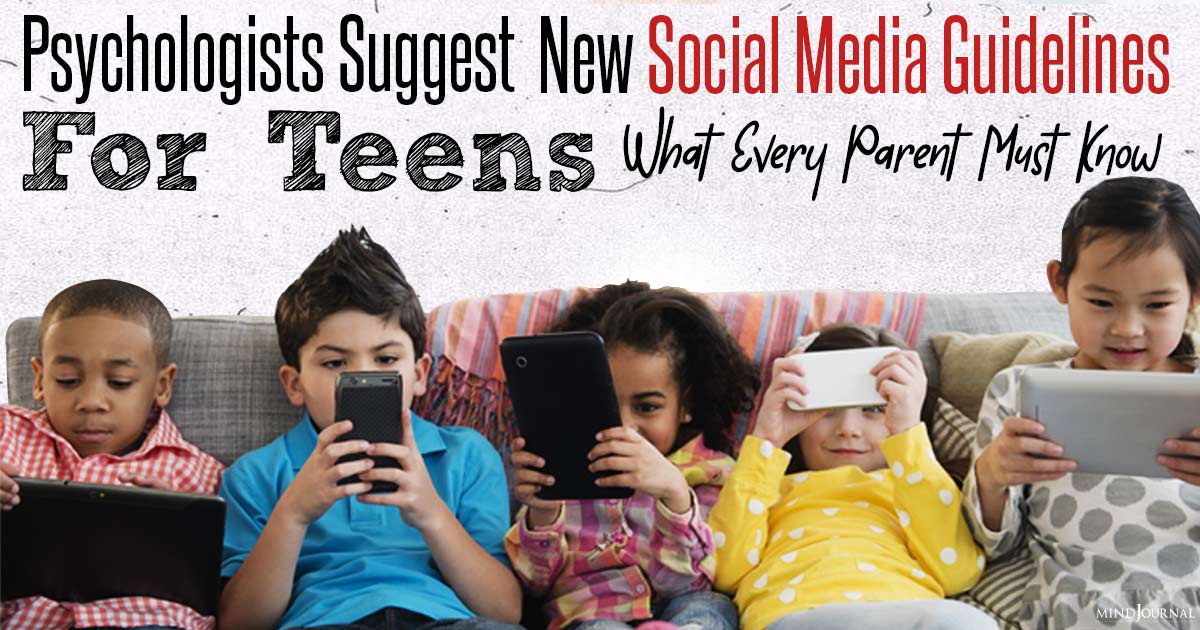
The American Psychological Association (APA) is leading the way in social media literacy training for teens with 10 groundbreaking recommendations. Their goal is to steer teenagers, parents, teachers, and tech companies toward a healthier and more balanced relationship with this powerful platform.

Are you ready to join the movement? Read on to learn more.

Empowering Social Media Literacy Training For Teens

Recognizing the allure of social media, the APA’s suggestions strike a delicate balance. They advocate for media literacy matters, screen time limits to safeguard sleep and physical activity, and tailoring usage to developmental capabilities.

Social Media Literacy Training For Teens

Routine screenings for “problematic social media use” and discouraging appearance-based comparisons further contribute to the holistic approach.

Mitch Prinstein, APA’s chief science officer, highlights the significance of scientifically grounded guidance. Backed by the latest research, the APA offers informed decisions on the benefits and potential risks involved.

These recommendations address nebulous concepts, from providing resources on social media’s positive and negative sides to minimizing exposure to “cyberhate.”

Related: 3 Ways To Protect Children From The Dark Side Of Social Media

Prinstein compares teens’ social media use to driving a car, emphasizing the need for collaboration between policymakers, parents, and tech companies. The APA empowers youngsters to navigate social media while avoiding its pitfalls.

The call for action arises as concerns mount over social media’s impact on young minds. Reports of body image issues and mental health effects have put platforms like Instagram, TikTok, and Snapchat under scrutiny.

Legislative efforts and ongoing legal cases highlight the urgency of addressing these concerns.

The APA’s recommendations target multiple stakeholders, recognizing the collective responsibility to foster a safe online environment. Collaboration between adults and teens is crucial, utilizing the guidelines as conversation starters.
Social Media Literacy Training For Teens

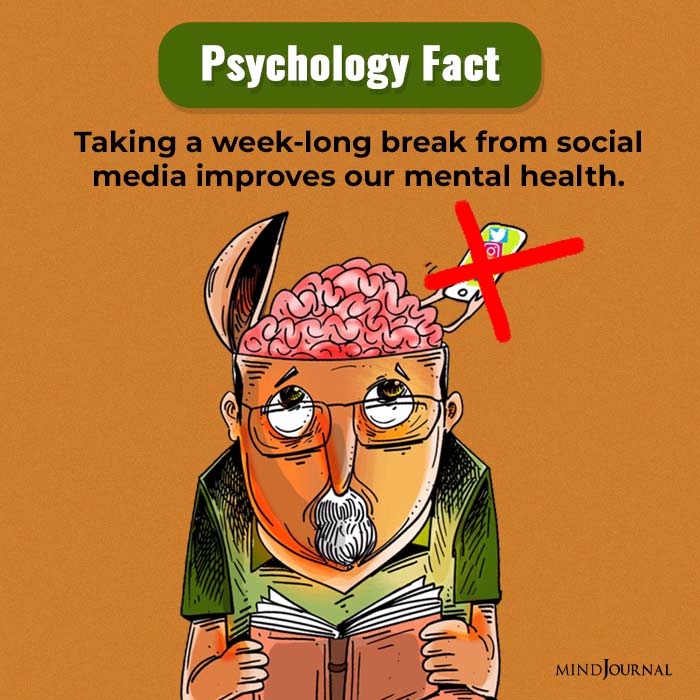
While acknowledging the challenges, the APA aims to offer a safer approach without vilifying social media. By reflecting on the science, the guidelines acknowledge its potential benefits while highlighting warning signs. Moderation and offline connections determine their impact on young individuals.

The APA’s recommendations serve as a clarion call to reshape the relationship between adolescents and social media. By empowering stakeholders and focusing on well-being, society can unlock the immense potential within the young generation in this transformative era.

Related: Unplug To Recharge: 10 Incredible Benefits Of Digital Detox

What’s the safest way for teens’ social media use, according to you? Share your thoughts about these guides in the comments below!

References
APA panel issues recommendations for adolescent social media use. (2023, May 9).

Social Media Literacy Training For Teens

Published On:

Last updated on:

Disclaimer: The informational content on The Minds Journal have been created and reviewed by qualified mental health professionals. They are intended solely for educational and self-awareness purposes and should not be used as a substitute for professional medical advice, diagnosis, or treatment. If you are experiencing emotional distress or have concerns about your mental health, please seek help from a licensed mental health professional or healthcare provider.

Leave a Comment

Today's Horoscope

Weekly Horoscope 5 April to 11 April 2026

Weekly Horoscope 5 April to 11 April 2026

Something shifts, something becomes clear, and something you ignored refuses to stay hidden. Read more about your zodiac sign and pay attention to what feels different.

Latest Quizzes

Can You Find The Easter Eggs? 10 Hidden Eggs: Look Carefully

No One Can Complete This Easter Egg Hunt Without Missing One—Can You? Take This Quiz Now!

There are 10 hidden eggs in this picture. You have 15 seconds. Can you complete this Easter Egg Hunt without missing one?

Latest Quotes

Real Signs Your Body Is Actually in Good Health: How to Know You’re Truly Well

Real Signs Your Body Is Actually in Good Health: How to Know You’re Truly Well

Real signs your body is healthy don’t always show up on lab reports. From good sleep and clear skin to regular digestion and a stable mood, your body is constantly sending quiet signals of wellness.

Readers Blog

Caption This Image and Selected Wisepicks – 5 April 2026

Caption This Image and Selected Wisepicks – 5 April 2026

Ready to unleash your inner wordsmith? ✨??☺️ Now’s your chance to show off your wit, charm, or sheer genius in just one line! Whether it’s laugh-out-loud funny or surprisingly deep, we want to hear it.Submit your funniest, wittiest, or most thought-provoking caption in the comments. We’ll pick 15+ winners to be featured on our website…

Latest Articles

The American Psychological Association (APA) is leading the way in social media literacy training for teens with 10 groundbreaking recommendations. Their goal is to steer teenagers, parents, teachers, and tech companies toward a healthier and more balanced relationship with this powerful platform.

Are you ready to join the movement? Read on to learn more.

Empowering Social Media Literacy Training For Teens

Recognizing the allure of social media, the APA’s suggestions strike a delicate balance. They advocate for media literacy matters, screen time limits to safeguard sleep and physical activity, and tailoring usage to developmental capabilities.

Social Media Literacy Training For Teens

Routine screenings for “problematic social media use” and discouraging appearance-based comparisons further contribute to the holistic approach.

Mitch Prinstein, APA’s chief science officer, highlights the significance of scientifically grounded guidance. Backed by the latest research, the APA offers informed decisions on the benefits and potential risks involved.

These recommendations address nebulous concepts, from providing resources on social media’s positive and negative sides to minimizing exposure to “cyberhate.”

Related: 3 Ways To Protect Children From The Dark Side Of Social Media

Prinstein compares teens’ social media use to driving a car, emphasizing the need for collaboration between policymakers, parents, and tech companies. The APA empowers youngsters to navigate social media while avoiding its pitfalls.

The call for action arises as concerns mount over social media’s impact on young minds. Reports of body image issues and mental health effects have put platforms like Instagram, TikTok, and Snapchat under scrutiny.

Legislative efforts and ongoing legal cases highlight the urgency of addressing these concerns.

The APA’s recommendations target multiple stakeholders, recognizing the collective responsibility to foster a safe online environment. Collaboration between adults and teens is crucial, utilizing the guidelines as conversation starters.

Social Media Literacy Training For Teens

While acknowledging the challenges, the APA aims to offer a safer approach without vilifying social media. By reflecting on the science, the guidelines acknowledge its potential benefits while highlighting warning signs. Moderation and offline connections determine their impact on young individuals.

The APA’s recommendations serve as a clarion call to reshape the relationship between adolescents and social media. By empowering stakeholders and focusing on well-being, society can unlock the immense potential within the young generation in this transformative era.

Related: Unplug To Recharge: 10 Incredible Benefits Of Digital Detox

What’s the safest way for teens’ social media use, according to you? Share your thoughts about these guides in the comments below!

References
APA panel issues recommendations for adolescent social media use. (2023, May 9).

Social Media Literacy Training For Teens

Published On:

Last updated on:

Leave a Comment

    Leave a Comment