Strange Origins of 8 Common Superstitions, We Still Follow Today

Author : Margaret Ellison

Weird Origins of 8 Common Superstitions You Still Believe

You swear youโ€™re not superstitious. And yet, you knock on wood without thinking, avoid walking under ladders, and glance nervously at the calendar whenever Friday the 13th approaches! So where did these common superstitions actually come from? Buckle up, because the origin of superstitions will blow your mind.

These unusual superstitions didnโ€™t appear out of thin air. They were born from real fears, real tragedies, and real beliefs that once made complete sense to the people who created them. 

The history of superstitions dates back thousands of years, rooted in ancient history, mystical religious practices, and even practical survival instincts. These seemingly simple acts carry stories that are sometimes dark, sometimes whimsical, and always intriguing.

Join me as we unravel the origin of superstitions that continue to influence our behaviour, often without us even realizing it.

You Follow These Unusual Superstitions Every Day โ€” But Do You Know Why?

1. Knocking on Wood: Invoking Ancient Spirits
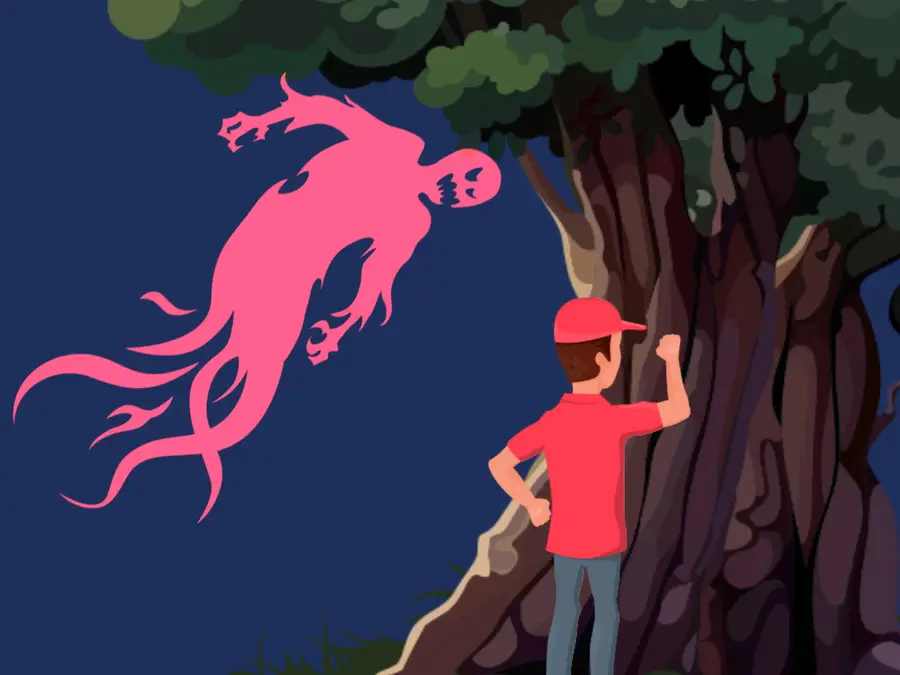
Knocking on wood is one of the common superstitions we still follow today.

We all knock on wood after boasting about good luck or hoping to avoid a jinx. But why wood? This is one of those strange superstitions that dates back to ancient pagan cultures across Europe, who believed that spirits and gods inhabited trees.

In later centuries, Christians blended beliefs and superstitions with religious symbolism and represented the wooden cross of Christ. Even if we donโ€™t believe in tree spirits anymore, knocking on wood simply acts as psychological comfort to protect our good fortune. 

2. Breaking a Mirror: Seven Years of Misfortune?
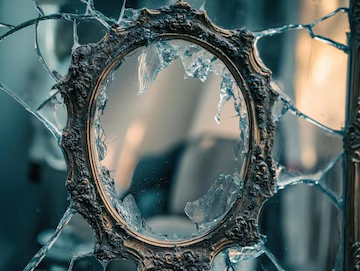
One of the most enduring common superstitions across the world, the broken mirror myth has surprisingly logical roots. In Roman times, mirrors were thought to reflect not just your image, but the very essence of your soul. The Romans believed that the human body renewed itself completely on a seven-year cycle. 

And breaking a mirror meant damaging your soul, bringing seven years of bad luck. Even today, a cracked mirror is believed to bring intense misfortune. 

Related: 10+ Bad Luck Superstitions From Around The World: Things You Didnโ€™t Know That Bring Misfortune

3. Black Cats: From Feline Friends to Omens of Doom
This is one of those strange superstitions that seems to have two sides to it. In ancient Egypt, all cats, especially the black ones, were revered. They were protectors and symbols of good fortune. 

However, in medieval Europe, the beliefs and superstitions associated black cats with witches. Many famous folklores suggest they were witchesโ€™ familiars or even shape-shifted witches themselves. The dual nature of this belief clearly shows how context and culture shape our everyday actions. 

4. Tossing Salt Over Your Shoulder: There’s A Devil Behind!
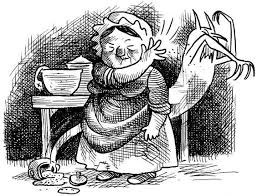
Ever spilt salt and instinctively tossed some over your left shoulder? This is one of those unusual superstitions that traces back to the Renaissance and even earlier. Salt was historically such a valuable commodity that spilling it was considered a bad omen. 

And tossing salt over your left shoulder? That oneโ€™s historically dark! The left side is associated with evil omens, and the devil is believed to lurk just behind your left shoulder, waiting for moments of weakness. 

Throwing salt supposedly blinds the devil lurking there, saving you from misfortune. The history of superstitions like this one reveals just how deeply everyday anxieties shaped ancient rituals.

5. Friday the 13th: Why Does This One Number Make Us Nervous?

Friday the 13th is one of the most common superstitions that carries an almost automatic sense of unease. From flights getting rescheduled to some buildings even avoiding labelling the 13th floor altogether, this number has an extraordinary reputation. The origin of superstitions around 13 is layered.

According to Norse mythology, 12 gods were enjoying a peaceful banquet in Valhalla when Loki, the mischievous trickster god, arrived uninvited as the 13th guest. His arrival led to chaos and ultimately the death of Balder, one of the most beloved gods. This legend cemented the idea that a 13th guest could bring disaster. 

Moreover, in the Christian tradition, Judas Iscariot (the disciple who betrayed Jesus) was believed to be the 13th person at the table. As Jesus was crucified on a Friday, the pairing of Friday and the number 13 became deeply embedded in Western beliefs and superstitions. 

6. Opening Umbrellas Indoors: Bad Luck or Practical Warning?

Most of us have been warned from popping open an umbrella inside the house. But why does such a simple action carry such an ominous reputation?

The history of superstitions around umbrellas likely traces back to ancient Egypt, where umbrellas and parasols were symbols of royalty and divine protection, used primarily to shield nobility from the sun rather than rain. Opening an umbrella indoors was believed to insult the sun god Ra, inviting misfortune as punishment. 

7. Horseshoes Above the Door: Lucky Iron

For centuries, this simple and rustic piece of iron has been regarded as a powerful symbol of protection and good fortune. Itโ€™s one of those common superstitions found across many cultures. In ancient Europe, people believed that evil spirits, fairies, and witches feared iron, making it a natural protective charm.

Also, the horseshoeโ€™s crescent shape is connected to a broader set of beliefs and superstitions linked with the moon, fertility, and divine protection. Hanging a horseshoe at oneโ€™s homeโ€™s entrance is believed to create a barrier against bad luck, ensuring that only positive energy can pass through the doorway. 

8. Walking Under a Ladder: A Deadly Misstep?
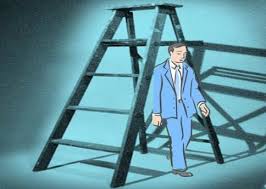
Youโ€™ve probably heard parents or grandparents warn against walking under a ladder. But why? The origin of superstitions around ladders dates back to ancient Egypt, where the triangle was regarded as a sacred, powerful shape and symbolized divine balance. 

A ladder leaning against a wall naturally forms a triangle with the ground, and passing through that sacred space was believed to disrupt its balance, an act considered disrespectful to the gods and potentially inviting misfortune.

Gradually, this superstition gained darker meanings in medieval Europe. Ladders became closely associated with executions, as they were commonly used to position prisoners at the gallows. Walking beneath one was thought to bring you symbolically closer to death, making this one of the most unusual superstitions. 

Related: How Superstitions Shape Our Decision-Making

Final Thoughts: The Stories We Still Carry

Even in an age shaped by science, technology, and rational thinking, we continue to thrive amidst these common superstitions. Maybe because it gives us the psychological sense of control in an unpredictable world. 

Moreover, these strange superstitions are more than irrational beliefs. They are tiny pieces of cultural memory adding colour, mystery, and personality to everyday life, reminding us that humans have always searched for meaning, comfort, and a little extra luck in the face of the unknown. 

And who knows, centuries from now, future generations might look back at our everyday habits and see them as unusual superstitions! 


Frequently Asked Questions (FAQs)

Is there truth behind superstitions?

Superstitions arenโ€™t supported by scientific evidence, but they often contain psychological or practical roots. Many began as safety warnings, cultural traditions, or attempts to explain the unknown. While they donโ€™t influence luck or fate, they can affect how people feel and behave, offering comfort, reducing anxiety, and creating a sense of control in uncertain situations.

What are some bad luck superstitions?

Bad luck superstitions include walking under ladders, breaking mirrors, opening umbrellas indoors, spilling salt, and encountering a black cat crossing your path. These beliefs come from ancient traditions, religious symbolism, or practical warnings. Although they lack scientific proof, they continue to influence behavior because of cultural traditions and long-standing human fears about misfortune.


history of superstitions

Published On:

Last updated on:

Disclaimer: The informational content on The Minds Journal have been created and reviewed by qualified mental health professionals. They are intended solely for educational and self-awareness purposes and should not be used as a substitute for professional medical advice, diagnosis, or treatment. If you are experiencing emotional distress or have concerns about your mental health, please seek help from a licensed mental health professional or healthcare provider.

Leave a Comment

Today's Horoscope

Daily Horoscope 31 March 2026: Prediction for Zodiac Signs

Daily Horoscope 31 March, 2026: Prediction For Each Zodiac Sign

You donโ€™t need to rush anything right now, just take things as they come.

Latest Quizzes

Fun Bird Personality Test: What Will Happen To You In 3 Days

The Bird Personality Test: Pick A Dove And Reveal What Will Happen To You In The Next 3 Days

Ever wonder how your choices reflect your energy? Take this bird personality test and see what the next 3 days have in store!

Latest Quotes

She Is Who She Is: When Feeling Replaceable Shapes Your Heart

She Is Who She Is: When Feeling Replaceable Shapes Your Heart

She is who she is because she keeps feeling replaceable in relationships. Repeated rejection reshapes your self-worth, but with awareness and healing, you can stop treating yourself like an option.

Readers Blog

Caption This Image and Selected Wisepicks โ€“ 29 March 2026

Caption This Image and Selected Wisepicks โ€“ 29 March 2026

Ready to unleash your inner wordsmith? โœจ??โ˜บ๏ธ Nowโ€™s your chance to show off your wit, charm, or sheer genius in just one line! Whether itโ€™s laugh-out-loud funny or surprisingly deep, we want to hear it.Submit your funniest, wittiest, or most thought-provoking caption in the comments. Weโ€™ll pick 15+ winners to be featured on our website…

Latest Articles

Weird Origins of 8 Common Superstitions You Still Believe

You swear youโ€™re not superstitious. And yet, you knock on wood without thinking, avoid walking under ladders, and glance nervously at the calendar whenever Friday the 13th approaches! So where did these common superstitions actually come from? Buckle up, because the origin of superstitions will blow your mind.

These unusual superstitions didnโ€™t appear out of thin air. They were born from real fears, real tragedies, and real beliefs that once made complete sense to the people who created them. 

The history of superstitions dates back thousands of years, rooted in ancient history, mystical religious practices, and even practical survival instincts. These seemingly simple acts carry stories that are sometimes dark, sometimes whimsical, and always intriguing.

Join me as we unravel the origin of superstitions that continue to influence our behaviour, often without us even realizing it.

You Follow These Unusual Superstitions Every Day โ€” But Do You Know Why?

1. Knocking on Wood: Invoking Ancient Spirits

Knocking on wood is one of the common superstitions we still follow today.

We all knock on wood after boasting about good luck or hoping to avoid a jinx. But why wood? This is one of those strange superstitions that dates back to ancient pagan cultures across Europe, who believed that spirits and gods inhabited trees.

In later centuries, Christians blended beliefs and superstitions with religious symbolism and represented the wooden cross of Christ. Even if we donโ€™t believe in tree spirits anymore, knocking on wood simply acts as psychological comfort to protect our good fortune. 

2. Breaking a Mirror: Seven Years of Misfortune?

One of the most enduring common superstitions across the world, the broken mirror myth has surprisingly logical roots. In Roman times, mirrors were thought to reflect not just your image, but the very essence of your soul. The Romans believed that the human body renewed itself completely on a seven-year cycle. 

And breaking a mirror meant damaging your soul, bringing seven years of bad luck. Even today, a cracked mirror is believed to bring intense misfortune. 

Related: 10+ Bad Luck Superstitions From Around The World: Things You Didnโ€™t Know That Bring Misfortune

3. Black Cats: From Feline Friends to Omens of Doom

This is one of those strange superstitions that seems to have two sides to it. In ancient Egypt, all cats, especially the black ones, were revered. They were protectors and symbols of good fortune. 

However, in medieval Europe, the beliefs and superstitions associated black cats with witches. Many famous folklores suggest they were witchesโ€™ familiars or even shape-shifted witches themselves. The dual nature of this belief clearly shows how context and culture shape our everyday actions. 

4. Tossing Salt Over Your Shoulder: There’s A Devil Behind!

Ever spilt salt and instinctively tossed some over your left shoulder? This is one of those unusual superstitions that traces back to the Renaissance and even earlier. Salt was historically such a valuable commodity that spilling it was considered a bad omen. 

And tossing salt over your left shoulder? That oneโ€™s historically dark! The left side is associated with evil omens, and the devil is believed to lurk just behind your left shoulder, waiting for moments of weakness. 

Throwing salt supposedly blinds the devil lurking there, saving you from misfortune. The history of superstitions like this one reveals just how deeply everyday anxieties shaped ancient rituals.

5. Friday the 13th: Why Does This One Number Make Us Nervous?

Friday the 13th is one of the most common superstitions that carries an almost automatic sense of unease. From flights getting rescheduled to some buildings even avoiding labelling the 13th floor altogether, this number has an extraordinary reputation. The origin of superstitions around 13 is layered.

According to Norse mythology, 12 gods were enjoying a peaceful banquet in Valhalla when Loki, the mischievous trickster god, arrived uninvited as the 13th guest. His arrival led to chaos and ultimately the death of Balder, one of the most beloved gods. This legend cemented the idea that a 13th guest could bring disaster. 

Moreover, in the Christian tradition, Judas Iscariot (the disciple who betrayed Jesus) was believed to be the 13th person at the table. As Jesus was crucified on a Friday, the pairing of Friday and the number 13 became deeply embedded in Western beliefs and superstitions. 

6. Opening Umbrellas Indoors: Bad Luck or Practical Warning?

Most of us have been warned from popping open an umbrella inside the house. But why does such a simple action carry such an ominous reputation?

The history of superstitions around umbrellas likely traces back to ancient Egypt, where umbrellas and parasols were symbols of royalty and divine protection, used primarily to shield nobility from the sun rather than rain. Opening an umbrella indoors was believed to insult the sun god Ra, inviting misfortune as punishment. 

7. Horseshoes Above the Door: Lucky Iron

For centuries, this simple and rustic piece of iron has been regarded as a powerful symbol of protection and good fortune. Itโ€™s one of those common superstitions found across many cultures. In ancient Europe, people believed that evil spirits, fairies, and witches feared iron, making it a natural protective charm.

Also, the horseshoeโ€™s crescent shape is connected to a broader set of beliefs and superstitions linked with the moon, fertility, and divine protection. Hanging a horseshoe at oneโ€™s homeโ€™s entrance is believed to create a barrier against bad luck, ensuring that only positive energy can pass through the doorway. 

8. Walking Under a Ladder: A Deadly Misstep?

Youโ€™ve probably heard parents or grandparents warn against walking under a ladder. But why? The origin of superstitions around ladders dates back to ancient Egypt, where the triangle was regarded as a sacred, powerful shape and symbolized divine balance. 

A ladder leaning against a wall naturally forms a triangle with the ground, and passing through that sacred space was believed to disrupt its balance, an act considered disrespectful to the gods and potentially inviting misfortune.

Gradually, this superstition gained darker meanings in medieval Europe. Ladders became closely associated with executions, as they were commonly used to position prisoners at the gallows. Walking beneath one was thought to bring you symbolically closer to death, making this one of the most unusual superstitions. 

Related: How Superstitions Shape Our Decision-Making

Final Thoughts: The Stories We Still Carry

Even in an age shaped by science, technology, and rational thinking, we continue to thrive amidst these common superstitions. Maybe because it gives us the psychological sense of control in an unpredictable world. 

Moreover, these strange superstitions are more than irrational beliefs. They are tiny pieces of cultural memory adding colour, mystery, and personality to everyday life, reminding us that humans have always searched for meaning, comfort, and a little extra luck in the face of the unknown. 

And who knows, centuries from now, future generations might look back at our everyday habits and see them as unusual superstitions! 


Frequently Asked Questions (FAQs)

Is there truth behind superstitions?

Superstitions arenโ€™t supported by scientific evidence, but they often contain psychological or practical roots. Many began as safety warnings, cultural traditions, or attempts to explain the unknown. While they donโ€™t influence luck or fate, they can affect how people feel and behave, offering comfort, reducing anxiety, and creating a sense of control in uncertain situations.

What are some bad luck superstitions?

Bad luck superstitions include walking under ladders, breaking mirrors, opening umbrellas indoors, spilling salt, and encountering a black cat crossing your path. These beliefs come from ancient traditions, religious symbolism, or practical warnings. Although they lack scientific proof, they continue to influence behavior because of cultural traditions and long-standing human fears about misfortune.


history of superstitions

Published On:

Last updated on:

Margaret Ellison

Leave a Comment

    Leave a Comment