

There are some people don’t just put themselves first, they expect everyone else to do it too. Check out the quiet but clear signs of self entitlement because once you start noticing the pattern, you can’t unsee it!
While confidence is healthy, self entitlement is something else entirely. It quietly shapes how a person thinks, behaves, and relates to others. And when that line is crossed, it can strain relationships and create frustration for everyone around them.
Understanding the signs of self entitlement complex can help you recognize these patterns early, whether in others or even in yourself.
Read More Here: 10 Mind Games Master Manipulators Use To Stay In Control
What Is Self Entitlement Psychology
A self entitlement complex is the belief that one deserves special treatment, privileges, or rewards, without necessarily earning them. According to entitlement psychology, this mindset often stems from upbringing, unmet emotional needs, or an inflated sense of self-importance.
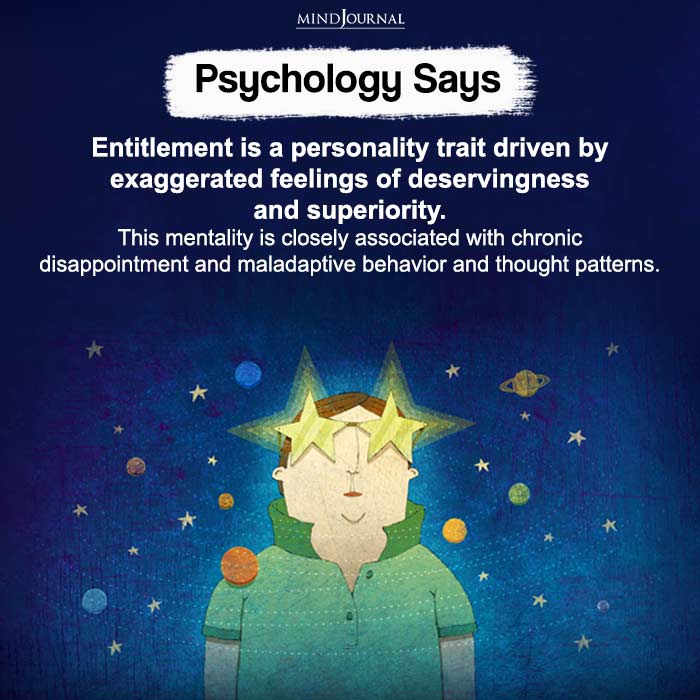
It’s not always loud or obvious. Sometimes, entitlement shows up in subtle expectations and everyday behavior… (Check out the signs of entitlement below!)
Signs of Self Entitlement Complex
1. They Feel Like People Owe Them Something

One of the most telling signs of entitlement is the underlying belief that others are responsible for their comfort, success, or happiness. It’s not always said out loud, but it shows in how they expect favors, time, and energy without considering what they give in return. When things don’t go their way, frustration quickly follows, as if something guaranteed has been taken away.
2. They Believe People Should Do What They Say

A strong self entitlement often comes with a need for control. Instead of seeing others as equals, they treat their opinions like instructions. Disagreement isn’t just inconvenient, it feels wrong to them. This makes collaboration difficult, because they aren’t really open to other perspectives.
3. They Feel Offended When Treated “Like Everyone Else”

Whether it’s in relationships, work, or everyday situations, they carry an expectation of believing rules don’t apply to them and want special treatment that others. According to Psychology, this reflects an inflated sense of importance, where fairness feels like an insult if it doesn’t come with added privilege.
4. They Think They Deserve Things Without Paying the Price

Effort and reward don’t always connect in their mind. They may expect free help, constant support, or opportunities without putting in equal effort. They undervalue other people’s work or time. And you might notice these kinds of people asking for discounts, favors, or services constantly.
Over time, this creates imbalance, where others feel drained while they continue to take.
5. They Believe That Their Way Is The Only “Right” Way

You might notice a certain rigidity in how they think and respond. They have the “it’s my way or the highway” mindset and struggle to accept different viewpoints, often dismissing them quickly or judging them harshly. ‘
Rather than being curious, they’re dead set on their ideas, and that just blocks any chance for working together, learning, understanding, or even having a good conversation.
6. They Expect Results Without Effort

Another clear sign of self entitlement is expecting outcomes without the work behind them. They want recognition and success without contribution or just assume it should come naturally to them.
Instead of looking inward, they’ll point fingers at situations or others when things don’t work out, instead of thinking about their own part in it. It’s all about blaming others when things don’t go their way.
Read More Here: Psychology Says People Who Push Their Chair Back In Usually Display These 9 Thoughtful Personality Traits
7. They Confuse Access With Permission

A healthy relationship respects boundaries but entitlement ignores them. And just because someone is available doesn’t mean they’re obligated to do things for you all the time. But entitlement blurs that line.
They may overstep boundaries, ask for more than is reasonable too often , or assume closeness gives them unlimited rights to someone’s time and energy.
8. They Believe Their Voice Matters More

They often dominate the conversations, and might interrupt, steer the discussion in a different direction, or just subtly dismiss what others are saying. It’s not always obvious, but it makes people feel like their ideas don’t weigh as much.
9. They Treat Their Values as Universal Rules

Perhaps one of the most subtle signs of entitlement is the belief that their way of living, thinking, or believing is the “right” way. They don’t see other opinions as different, they see them as wrong. This kind of thinking can really mess up relationships, leading to judgment, distance, and arguments.
Read More Here: When You Set Boundaries With A Narcissist: 7 Dramatic Reactions You’ll Always See
It’s not about putting labels or pointing fingers, it’s all about knowing what behaviors can mess up your relationships! Recognizing them is the first step to keeping your peace. Share in the comments if you’ve met someone like that!
Frequently Asked Questions (FAQs)
What is self entitlement?
A sense of self-entitlement is the belief that one deserves special treatment, privileges, or rewards, without necessarily earning them.
What causes self entitlement?
Psychology says that this entitlement mindset often stems from upbringing, unmet emotional needs, or an inflated sense of self-importance.


Leave a Comment