The Secret Science of Eureka Moments: How Deep Sleep Sparks Creative Breakthroughs

Author : Daisy Simon

Science of Eureka Moments: 4 Best Ways To Train Your Brain

Did you know that your smartest ideas doesn’t arrive when you’re working, but after you sleep. Those AHA! or eureka moments likely to occur not when you’re thinking… but when you’re deeply asleep.

We tend to believe that breakthroughs happen after hours of focus, rewriting, reanalyzing, or pushing the brain until it cracks a solution open. But research now suggests the opposite. Let’s learn what are eureka moments below!

What Are Eureka Moments?

A eureka moment is a spontaneous burst of clarity, the mental equivalent of the lightbulb switching on. It’s that moment when a frustrating problem suddenly feels obvious, effortless, and almost magical.

Unlike how logical thinking is slow and step-by-step, those AHA! moments are super quick, emotional, and can even give you goosebumps. You don’t overthink it, you just get it!

Why Deep Sleep Matters

During deep, non-REM sleep, your brain does more than rest. It quietly begins sorting, rewiring, and reorganizing the information you absorbed during the day. Instead of trying to solve a problem in a linear way, it connects distant patterns, eliminates distractions, and surfaces hidden insights.

Scientists have found that:

  • Deep sleep reduces mental noise and enhances signal clarity.
  • Creativity peaks after slow-wave sleep, not during wakeful brainstorming.
  • The brain keeps “working” on unresolved problems while you rest.

Which explains one of life’s strangest truths: you often wake up smarter than you went to bed.

Read More Here: Feeling Stuck? Here’s How Time In Nature Powers Your Creativity

Famous Examples of Eureka Moments

History is full of breakthroughs that weren’t born from effort, but from rest, dreams, or accidental distraction. Below are 4 eureka moment examples:

1. Archimedes was an Ancient Greek inventor and mathematician who solved the problem of measuring volume in a bathtub. He was so thrilled with his discovery, apparently he leapt out of the bath and ran naked down the street shouting “Eureka!”, meaning “I have found it!”. So, effectively, he invented ‘eureka!’ moments at the same time.

Famous Examples of Eureka Moments

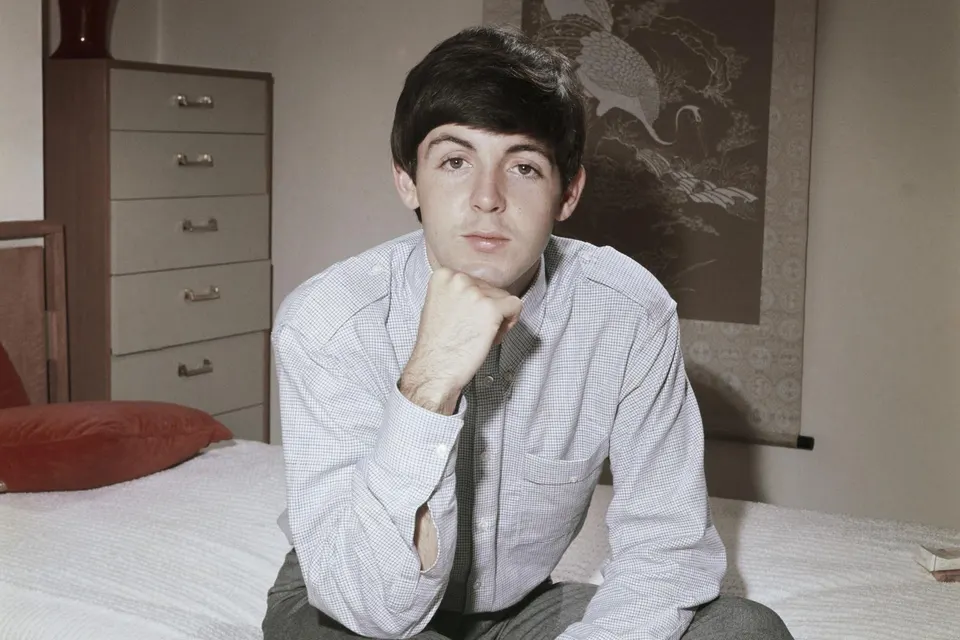
2. Paul McCartney is one of the examples of eureka moments explaining that it doesn’t just happen in science and business. He literally heard the melody of “Yesterday” in a dream and rushed to the piano upon waking.
3. Marie Curie‘s eureka moment was when she realized that radiation originates inside atoms, it was a game-changer for science. Her research opened the door for life-saving X-rays and resulted in the discovery of polonium and radium. She tragically carried radioactive materials in her pockets without realizing the risks; this exposure probably led to her death.

4. Next time you pop some popcorn in the microwave, remember engineer Percy Spencer and thank him for your snack. Spencer’s eureka moment was discovering that microwaves could be used to heat food.

These aren’t coincidences. They are the result of a brain that relaxed, and therefore unlocked a deeper intelligence.

Why You Don’t Get Eureka Moments While Forcing It

When you’re stressed and problem-solving consciously, you’re stuck in linear logic mode, useful, but limited. You can’t see sideways. You can’t think radically. You can’t “jump.” You are searching, not discovering.

But the brain loves novelty. It loves non-obvious connections. It loves the unexpected. That’s what deep sleep provides, a state with zero pressure, zero ego, and full processing power.

Can You Train Your Brain to Have More Eureka Moments?

Absolutely, but it involves doing less, not more.

Here’s how to naturally increase your odds of insight:

  • Sleep between 11 p.m. and 3 a.m. This is a peak deep sleep repair window
  • Avoid screens and caffeine 90 minutes before bed
  • Leave a question in your mind, don’t rush to solve it
  • Take walk/shower breaks during work, it simulates “mini-disappearance”
  • Journal or voice note your ideas the second you wake up, eureka moments fade FAST

Read More Here: Do They Push Your Buttons? Here’s How To Deal With Difficult People (Without Losing Your Cool)

Closing Thoughts

Your brain isn’t a machine that performs best under pressure. It’s closer to an artist, it needs silence, darkness, and space to rearrange the universe. The next time you’re stuck, don’t force an answer. Give in. Sleep. Let your subconscious do the heavy lifting.

Because your next eureka moment won’t arrive when you’re thinking hardest, it’ll arrive when you’re finally not thinking at all.


eureka moment

Published On:

Last updated on:

Daisy Simon

I’m Daisy Simon, member of the Editorial Team at Minds Journal, who loves exploring the cultural zeitgeist through cinema, and pop culture. I hold a degree in Sociology and I write on topics like lifestyle, relationships, feminism, mental health, and how they all connect to the world we live in today. My goal is to spark honest conversations that people can relate to and help us better understand the challenges and ideas shaping our generation.

Disclaimer: The informational content on The Minds Journal have been created and reviewed by qualified mental health professionals. They are intended solely for educational and self-awareness purposes and should not be used as a substitute for professional medical advice, diagnosis, or treatment. If you are experiencing emotional distress or have concerns about your mental health, please seek help from a licensed mental health professional or healthcare provider.

Leave a Comment

Today's Horoscope

New Moon in Pisces: 12 Interesting Zodiac Rituals

New Moon in Pisces: 12 Zodiac Rituals To Manifest Your Next Chapter!

Curious to see how this New Moon in Pisces will be a deeply reflective period in your lunar cycle? Read on to know more!

Latest Quizzes

Free Vase Personality Test: 3 Options; Choose A Vase

Vase Personality Test: Your First Pick Reveals Your Main Character Trait

Take a moment, look closely, and pick an object that represents you.

Latest Quotes

Functional Freeze: Why You Zone Out After Doing “Just Fine” All Day

Functional Freeze: Why You Zone Out After Doing “Just Fine” All Day

If you zone out in a towel, in your parked car, or on your phone at night, it’s not laziness. Functional freeze is your nervous system’s trauma response, not a character flaw.

Readers Blog

Caption This Image and Selected Wisepicks – 15 March 2026

Caption This Image and Selected Wisepicks – 15 March 2026

Ready to unleash your inner wordsmith? ✨??☺️ Now’s your chance to show off your wit, charm, or sheer genius in just one line! Whether it’s laugh-out-loud funny or surprisingly deep, we want to hear it.Submit your funniest, wittiest, or most thought-provoking caption in the comments. We’ll pick 15+ winners to be featured on our website…

Latest Articles

Science of Eureka Moments: 4 Best Ways To Train Your Brain

Did you know that your smartest ideas doesn’t arrive when you’re working, but after you sleep. Those AHA! or eureka moments likely to occur not when you’re thinking… but when you’re deeply asleep.

We tend to believe that breakthroughs happen after hours of focus, rewriting, reanalyzing, or pushing the brain until it cracks a solution open. But research now suggests the opposite. Let’s learn what are eureka moments below!

What Are Eureka Moments?

A eureka moment is a spontaneous burst of clarity, the mental equivalent of the lightbulb switching on. It’s that moment when a frustrating problem suddenly feels obvious, effortless, and almost magical.

Unlike how logical thinking is slow and step-by-step, those AHA! moments are super quick, emotional, and can even give you goosebumps. You don’t overthink it, you just get it!

Why Deep Sleep Matters

During deep, non-REM sleep, your brain does more than rest. It quietly begins sorting, rewiring, and reorganizing the information you absorbed during the day. Instead of trying to solve a problem in a linear way, it connects distant patterns, eliminates distractions, and surfaces hidden insights.

Scientists have found that:

  • Deep sleep reduces mental noise and enhances signal clarity.
  • Creativity peaks after slow-wave sleep, not during wakeful brainstorming.
  • The brain keeps “working” on unresolved problems while you rest.

Which explains one of life’s strangest truths: you often wake up smarter than you went to bed.

Read More Here: Feeling Stuck? Here’s How Time In Nature Powers Your Creativity

Famous Examples of Eureka Moments

History is full of breakthroughs that weren’t born from effort, but from rest, dreams, or accidental distraction. Below are 4 eureka moment examples:

1. Archimedes was an Ancient Greek inventor and mathematician who solved the problem of measuring volume in a bathtub. He was so thrilled with his discovery, apparently he leapt out of the bath and ran naked down the street shouting “Eureka!”, meaning “I have found it!”. So, effectively, he invented ‘eureka!’ moments at the same time.

Famous Examples of Eureka Moments

2. Paul McCartney is one of the examples of eureka moments explaining that it doesn’t just happen in science and business. He literally heard the melody of “Yesterday” in a dream and rushed to the piano upon waking.

3. Marie Curie‘s eureka moment was when she realized that radiation originates inside atoms, it was a game-changer for science. Her research opened the door for life-saving X-rays and resulted in the discovery of polonium and radium. She tragically carried radioactive materials in her pockets without realizing the risks; this exposure probably led to her death.

4. Next time you pop some popcorn in the microwave, remember engineer Percy Spencer and thank him for your snack. Spencer’s eureka moment was discovering that microwaves could be used to heat food.

These aren’t coincidences. They are the result of a brain that relaxed, and therefore unlocked a deeper intelligence.

Why You Don’t Get Eureka Moments While Forcing It

When you’re stressed and problem-solving consciously, you’re stuck in linear logic mode, useful, but limited. You can’t see sideways. You can’t think radically. You can’t “jump.” You are searching, not discovering.

But the brain loves novelty. It loves non-obvious connections. It loves the unexpected. That’s what deep sleep provides, a state with zero pressure, zero ego, and full processing power.

Can You Train Your Brain to Have More Eureka Moments?

Absolutely, but it involves doing less, not more.

Here’s how to naturally increase your odds of insight:

  • Sleep between 11 p.m. and 3 a.m. This is a peak deep sleep repair window
  • Avoid screens and caffeine 90 minutes before bed
  • Leave a question in your mind, don’t rush to solve it
  • Take walk/shower breaks during work, it simulates “mini-disappearance”
  • Journal or voice note your ideas the second you wake up, eureka moments fade FAST

Read More Here: Do They Push Your Buttons? Here’s How To Deal With Difficult People (Without Losing Your Cool)

Closing Thoughts

Your brain isn’t a machine that performs best under pressure. It’s closer to an artist, it needs silence, darkness, and space to rearrange the universe. The next time you’re stuck, don’t force an answer. Give in. Sleep. Let your subconscious do the heavy lifting.

Because your next eureka moment won’t arrive when you’re thinking hardest, it’ll arrive when you’re finally not thinking at all.


eureka moment

Published On:

Last updated on:

Daisy Simon

I’m Daisy Simon, member of the Editorial Team at Minds Journal, who loves exploring the cultural zeitgeist through cinema, and pop culture. I hold a degree in Sociology and I write on topics like lifestyle, relationships, feminism, mental health, and how they all connect to the world we live in today. My goal is to spark honest conversations that people can relate to and help us better understand the challenges and ideas shaping our generation.

Leave a Comment

    Leave a Comment