3 Signs You May Have Suffered Childhood Emotional Incest

Author : Sean Grover LCSW

Have you ever heard of the term “childhood emotional incest”? This article is going to explore in detail what is emotional incest in childhood, the signs of childhood emotional incest, and how it shows up in adulthood.


KEY POINTS

  • The dynamic sometimes called emotional incest can emerge when parents seek to get their emotional needs met by their children.
  • Parents who engage in this dynamic often live with mental illness, substance abuse, loneliness, or divorce.
  • Lingering effects in adulthood include fear of intimacy and a flight/fight response to closeness.

Parents are the first relationships in a child’s life. Everything they learn about relationships is modelled by their parents. Even before developing language, children absorb their parents’ feelings and behaviour, their moods, their way of communicating, or how they express affection or frustration.


Related: What Is Emotional Incest: Understanding The Hidden Dynamics and Its Impact On Relationships

Childhood Emotional Incest: How the Dynamic Develops

It is not a recognized clinical diagnosis and does not refer to inappropriate sexual contact, but the term “emotional incest” (also known as “covert incest”) is sometimes used to describe parents who are unable to maintain healthy boundaries with their children. Such parents may be living with mental illness, substance abuse, an unhappy marriage, or divorce.

In essence, such parents feel alone and unloved, and rather than seek support from other adults, they turn to their children for intimacy and care. They may burden children with their own needs, constantly seek their validation, become emotionally or psychically clingy, or try to control the child.


In seeking comfort from their child they are asking their child, in a way, to become their parent. While some children may find this exciting, the excitement quickly wears off. The parent’s emotional needs become overwhelming; few children caught in such a dynamic can meet all the needs of the parent.
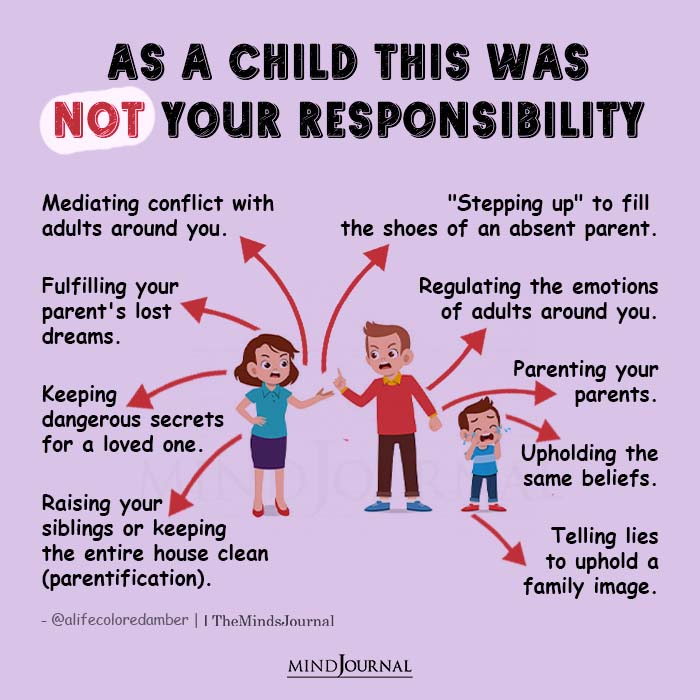
Childhood emotional incest

How Children Try to Break Free

To break free of this unhealthy dynamic, children attempt to create distance; they pull away from their parents and try to establish healthier boundaries.

Unfortunately, parents may start to feel abandoned and shame or guilt their children, become physically or verbally abusive, slip into depression, or withdraw from their children completely.

They can attempt to make their children feel ashamed for wanting to be separate. In a sense, they demand that their children stay merged with them, an effort that runs counter to healthy emotional development.

Signs Of A Problem In Adulthood

Emotional incest leaves a deep scar on a child’s experience of closeness and intimacy; specifically, they struggle in intimate relationships as adults.

Signs of enduring this dynamic include:


1. Difficulty sustaining intimate relationships

Your romantic relationships start strong and may have great honeymoon periods. But they tend to decline quickly as emotional intimacy grows. You start to distrust your partner, feel insecure or trapped.

2. Disassociation, confusion, or taking distance from your romantic partner.

You start to pull away without explanation. Sex becomes unsatisfying, even revolting. You may grow inexplicably cold, critical, become quick to find fault with them, or blame your partner for your discomfort.

Related: Parentification: Healing From The Trauma Of Having To Grow Up Too Soon

3. Panicky responses to intimacy such as flight or fight.

As fear grows, you may invent a reason to stop seeing a partner or ghost them completely. Sometimes you initiate fights to get a partner to break up with you. Either way, you are in flight from the relationship.

Want to know more about childhood emotional incest? Check this video out below!


Written By Sean Grover L.C.S.W.
Originally Appeared On Psychology Today
emotional incest


Published On:

Last updated on:

Sean Grover LCSW

Sean Grover, LCSW is a psychotherapist, speaker, and author with 25 years of experience. He maintains one of the largest group therapy practices in the U.S. and leads over 300 groups a year in his practice, in addition to monthly workshops in clinics, medical centers, youth organizations, and schools. For more information about Sean, visit www.SeanGrover.com

Disclaimer: The informational content on The Minds Journal have been created and reviewed by qualified mental health professionals. They are intended solely for educational and self-awareness purposes and should not be used as a substitute for professional medical advice, diagnosis, or treatment. If you are experiencing emotional distress or have concerns about your mental health, please seek help from a licensed mental health professional or healthcare provider.

Leave a Comment

Today's Horoscope

Weekly Horoscope PART one

Weekly Horoscope 15 March to 21 March 2026

Read your zodiac sign’s prediction to understand the energy surrounding you and how to make the most of the days ahead!

Latest Quizzes

Interesting Finger Personality Test: 4 Finger Lines

Finger Personality Test: Join Your Fingers And Reveal A Hidden Personality Secret!

Look closely at your finger lines. Which pattern do you see? This personality test might surprise you!

Latest Quotes

How Men Show Love Through Actions (Male Psychology in Relationships)

How Men Show Love Through Actions (Male Psychology in Relationships)

Male psychology in relationships shows that men express love through presence, protection, and peace more than poetry. Decode his actions so you can see how deeply he actually cares.

Readers Blog

Caption This Image and Selected Wisepicks – 15 March 2026

Caption This Image and Selected Wisepicks – 15 March 2026

Ready to unleash your inner wordsmith? ✨??☺️ Now’s your chance to show off your wit, charm, or sheer genius in just one line! Whether it’s laugh-out-loud funny or surprisingly deep, we want to hear it.Submit your funniest, wittiest, or most thought-provoking caption in the comments. We’ll pick 15+ winners to be featured on our website…

Latest Articles

Have you ever heard of the term “childhood emotional incest”? This article is going to explore in detail what is emotional incest in childhood, the signs of childhood emotional incest, and how it shows up in adulthood.


KEY POINTS

  • The dynamic sometimes called emotional incest can emerge when parents seek to get their emotional needs met by their children.
  • Parents who engage in this dynamic often live with mental illness, substance abuse, loneliness, or divorce.
  • Lingering effects in adulthood include fear of intimacy and a flight/fight response to closeness.

Parents are the first relationships in a child’s life. Everything they learn about relationships is modelled by their parents. Even before developing language, children absorb their parents’ feelings and behaviour, their moods, their way of communicating, or how they express affection or frustration.


Related: What Is Emotional Incest: Understanding The Hidden Dynamics and Its Impact On Relationships

Childhood Emotional Incest: How the Dynamic Develops

It is not a recognized clinical diagnosis and does not refer to inappropriate sexual contact, but the term “emotional incest” (also known as “covert incest”) is sometimes used to describe parents who are unable to maintain healthy boundaries with their children. Such parents may be living with mental illness, substance abuse, an unhappy marriage, or divorce.

In essence, such parents feel alone and unloved, and rather than seek support from other adults, they turn to their children for intimacy and care. They may burden children with their own needs, constantly seek their validation, become emotionally or psychically clingy, or try to control the child.


In seeking comfort from their child they are asking their child, in a way, to become their parent. While some children may find this exciting, the excitement quickly wears off. The parent’s emotional needs become overwhelming; few children caught in such a dynamic can meet all the needs of the parent.

Childhood emotional incest

How Children Try to Break Free

To break free of this unhealthy dynamic, children attempt to create distance; they pull away from their parents and try to establish healthier boundaries.

Unfortunately, parents may start to feel abandoned and shame or guilt their children, become physically or verbally abusive, slip into depression, or withdraw from their children completely.

They can attempt to make their children feel ashamed for wanting to be separate. In a sense, they demand that their children stay merged with them, an effort that runs counter to healthy emotional development.

Signs Of A Problem In Adulthood

Emotional incest leaves a deep scar on a child’s experience of closeness and intimacy; specifically, they struggle in intimate relationships as adults.

Signs of enduring this dynamic include:


1. Difficulty sustaining intimate relationships

Your romantic relationships start strong and may have great honeymoon periods. But they tend to decline quickly as emotional intimacy grows. You start to distrust your partner, feel insecure or trapped.

2. Disassociation, confusion, or taking distance from your romantic partner.

You start to pull away without explanation. Sex becomes unsatisfying, even revolting. You may grow inexplicably cold, critical, become quick to find fault with them, or blame your partner for your discomfort.

Related: Parentification: Healing From The Trauma Of Having To Grow Up Too Soon

3. Panicky responses to intimacy such as flight or fight.

As fear grows, you may invent a reason to stop seeing a partner or ghost them completely. Sometimes you initiate fights to get a partner to break up with you. Either way, you are in flight from the relationship.

Want to know more about childhood emotional incest? Check this video out below!


Written By Sean Grover L.C.S.W.
Originally Appeared On Psychology Today
emotional incest


Published On:

Last updated on:

Sean Grover LCSW

Sean Grover, LCSW is a psychotherapist, speaker, and author with 25 years of experience. He maintains one of the largest group therapy practices in the U.S. and leads over 300 groups a year in his practice, in addition to monthly workshops in clinics, medical centers, youth organizations, and schools. For more information about Sean, visit www.SeanGrover.com

Leave a Comment

    Leave a Comment