

When we think about betrayal in relationships, cheating usually tops the list. Those secret messages and late-night calls instantly scream disloyalty! But what if I tell you betrayal runs deeper than physical infidelity?
It’s not always about what your partner does with someone else, but about what they stop doing with you. The creeping distance, fading promises and those almost believable lies gradually erode years of honesty and effort.
Betrayal makes you question everything: your worth, your intuition, and the version of love you thought you had. So, let’s look at the 6 often overlooked types of betrayal in relationships that will make you rethink what true loyalty in love looks like.
6 Different Forms of Betrayal in Relationships
Here are the 6 examples of betrayal in relationships that can hurt just as deeply:
1. Physical Betrayal
Yes, undoubtedly, physical betrayal in relationships involves infidelity, but it’s not just limited to that. It can show up in more subtle yet deeply painful ways: the not-so-innocent touch, the flirtatious comment that crossed a line, or the physical closeness shared with someone else that was meant only for you.
Withholding physical affection to punish or control your partner, or even resorting to aggression, is equally a form of physical betrayal. When your partner uses their presence, strength, or touch to intimidate you, it breaks the fundamental promise of love: to protect, not to hurt.
You don’t deserve to feel unsafe in your own home and your own skin just to remain in the golden cage of love. Physical betrayal leaves behind a painful trauma not just in your memory but also in your body. You might find it difficult to feel comfortable again because the body remembers what it once feared.
2. Emotional Betrayal
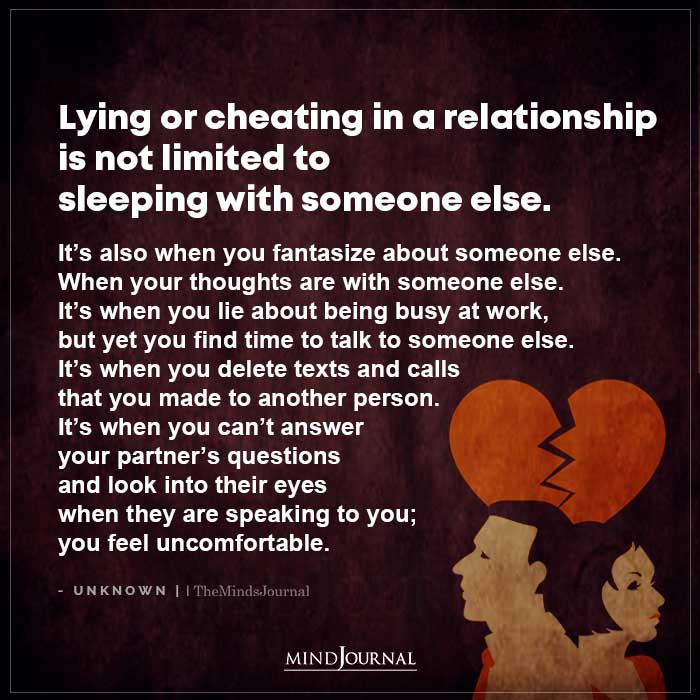
If you notice your partner turning to someone else for emotional comfort, validation or understanding, it’s a very prominent sign of emotional betrayal. It’s not jealousy that hurts; it’s the feeling of being replaced.
The late-night chats that once belonged to you, the secrets shared with someone new or the laughter that now comes from another corner, all these make your existence invisible in the relationship. This quiet form of abandonment doesn’t just break the trust; it rewrites your story of love.
But it’s not just about outside connections. Neglecting your partner’s pain and dismissing their feelings or labelling their emotions as “too much”, that’s emotional betrayal too. This chaotic silence and indifference can wound as deeply as an affair.
3. Trust Betrayal
When words like “I’ll do better next time.”, “You can trust me.”, “I swear, this won’t happen again.” becomes common in your relationship; the thread of trust snaps. Sometimes, it starts with a small white lie told to avoid conflict, a message deleted “to keep the peace,” or an excuse that doesn’t quite add up.
These tiny cracks of honesty build huge walls of mistrust that shake the very core of your relationship. Because once deception enters a relationship, certainty goes downhill. Gradually, you stop believing their words and start doubting your instincts.
Rebuilding trust after betrayal isn’t impossible. It takes consistent efforts and telling the truth even when it’s ugly. Remember, love without trust is a house without a foundation; it would look beautiful for a while, but it won’t stand the storm.
Read: 3 Things That Help When You Discover A Partner’s Affair
4. Financial Betrayal
Financial betrayal in relationships happens when your partner hides, controls or misuses money without your consent or knowledge. It’s one of the most overlooked yet damaging types of betrayal in relationships. As partners, you don’t have to earn the same or spend the same, but you should be equally informed and respected when it comes to financial decisions.
Money may not buy love, but it can surely shatter trust when used the wrong way. It’s not just about numbers, it’s about your sense of stability and your ability to plan for the future. In a healthy relationship, financial openness isn’t optional; it’s essential.
In many relationships, financial betrayal also takes the form of control. Restricting your partner’s access to money, monitoring every expense of theirs or using finances as leverage isn’t love, it’s financial manipulation.
5. Public Betrayal
One of the most demeaning types of betrayal in relationships has to be public betrayal. Such betrayal doesn’t happen behind closed doors. You notice your partner mocking you in front of friends, airing private arguments in public, or weaponising your secrets to win arguments and score laughs.
Such below-the-belt behaviour doesn’t just bruise your pride, it shakes your sense of safety. The very person you thought to be your home becomes your source of humiliation. It rattles your trust, and over time, you feel afraid to vent your emotions.
It’s important to remember that a loving and sensible partner protects your dignity even when they are angry. They don’t weaponise your flaws to feed their ego or to entertain others.
6. Digital Betrayal
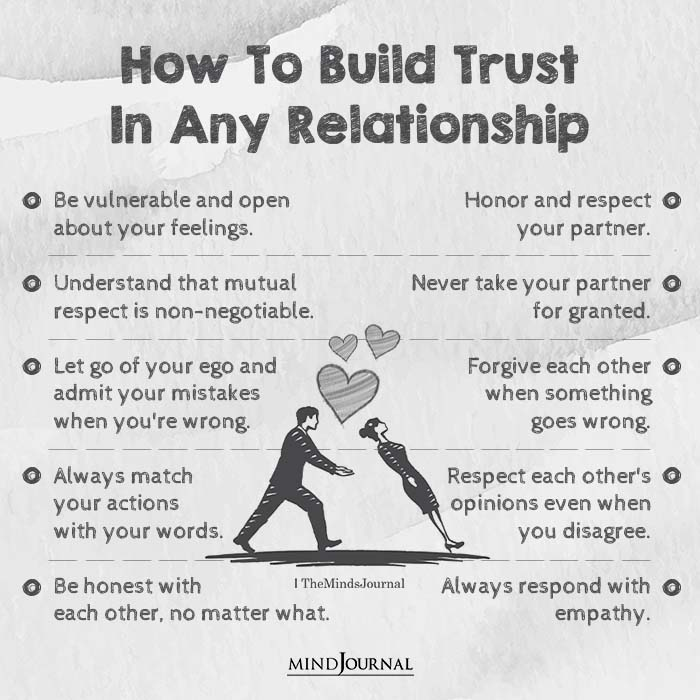
Such betrayal unfolds quietly through phones, texts and secret DMs. It’s not just about what your partner is doing online; it’s also about what they are trying to hide behind the screen. The screen becomes a shield, a way to say, “It’s not cheating if it’s just online.”
Gradually, these just-for-fun messages or maintaining “innocent” online friendships that your partner knows nothing about chip away at trust; one notification at a time. It’s actually simple; if you wouldn’t be doing it in front of your partner, it probably doesn’t belong behind a screen.
And, let’s not overlook the subtler forms. Sharing your partner’s private pictures without consent or oversharing details of your relationship online is also digital betrayal. When what was intimate becomes public property, the safety of your bond starts to crumble.
Read: 10 Signs of Cell Phone Cheating: Is Your Partner Hiding Something?
Final Thoughts: Healing After Betrayal
Honestly, no matter what form it takes, betrayal in relationships leaves a scar that shakes your belief in love. It makes you wonder: Was I not enough? Did I miss the signs? Can I ever trust again?
But the truth is, healing is possible. You don’t need to downplay your emotions. Acknowledge your pain and give yourself permission to grieve. At its core, true love is about safety, honesty and mutual respect.
If you have ever been betrayed, remember that their actions reflect who they are, not who you are. You deserve love that’s real, honest and safe.
Frequently Asked Questions (FAQs)
What is betrayal trauma in relationships?
Betrayal trauma happens when someone you deeply trust, like a partner, breaks that trust through lies, cheating, or emotional deceit. It’s not just heartbreak; it’s a deep emotional wound that shakes your sense of safety and reality.
How to cope with betrayal in relationships?
Betrayal in relationships cuts deep, and it shakes your trust and questions everything you believed in. But healing starts when you stop blaming yourself and face the pain instead of burying it. Set boundaries, seek clarity, and choose peace over resentment. Remember, forgiveness is for your freedom, not their comfort.
What is the psychology of betrayal?
The psychology of betrayal lies in the deep violation of trust and attachment. It triggers intense emotions like anger, confusion, and grief, shaking one’s sense of safety and self-worth. Betrayal in relationships disrupts emotional bonds, often leading to anxiety and trust issues as the mind struggles to make sense of the unexpected hurt.
Is it possible to get over betrayals?
Yes, it’s possible to heal from betrayal, but it takes time, emotional honesty, and self-reflection. Healing starts when you stop blaming yourself, accept what happened, set healthy boundaries, and focus on rebuilding trust in yourself first. Forgiveness is optional. Peace is the priority. With support, self-care, and inner work, you can move forward stronger and wiser.


Leave a Comment