
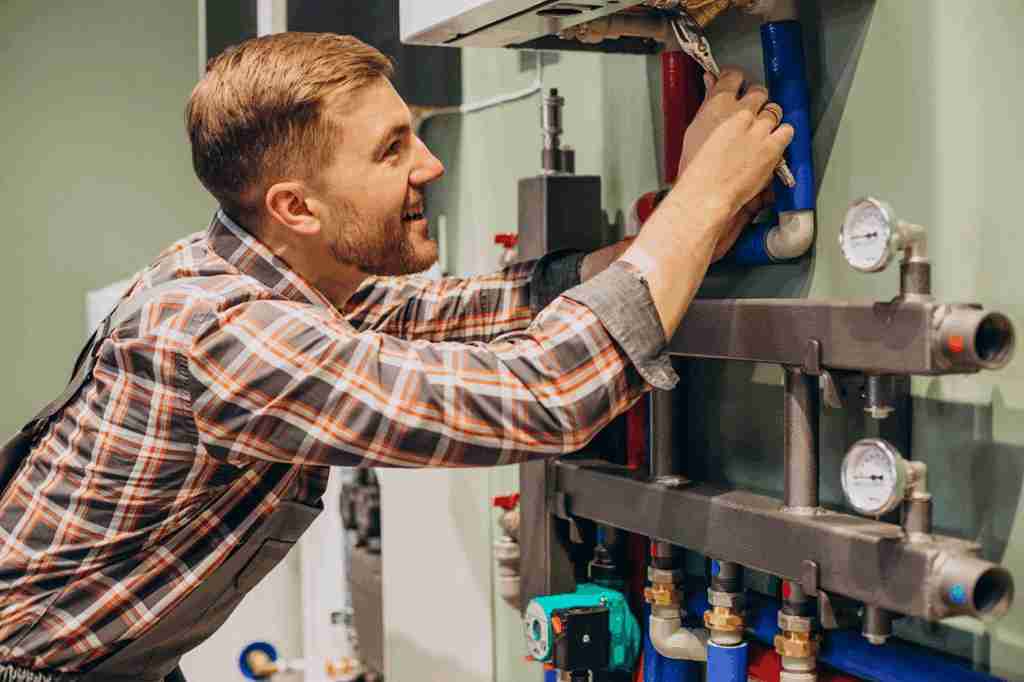
If you’ve ever noticed rising energy bills without a clear reason, your water heater may be the hidden culprit. Many folks don’t know how much power one gadget needs. When there are problems with water heaters, like leaks, people can see them right away, but small flaws that make them less efficient can stay hidden for years. Make sure you know what’s going on with the tank in your utility room before something bad happens that costs a lot of money. When repairs or replacements are needed, expert aid, like water heater installation in San Jose by Fuse Service, makes sure that efficiency isn’t lost from the start.
The Silent Energy Drain in Your Utility Room
A water heater cycle doesn’t start immediately away, like it does with a washing machine or fridge. It needs power all day to keep the water hot, even when no one is using it. You might not notice this “standby heat loss,” yet it costs you more money in the long run.
The U.S. Department of Energy reports that heating water can account for up to 18% of a household’s utility costs. That makes it the second-largest energy expense in most homes. If your heater is older, poorly insulated, or incorrectly sized, the percentage could be even higher — a hidden expense many homeowners don’t realize they are paying.
Age and Design Matter More Than You Think
You might suppose that all water heaters are built the same way. But, just like with cars and tools, how well they work depends a lot on how old they are and how they were made. But devices that are older and don’t have the Energy Star score work less well than modern ones. Because they don’t keep water hot all the time, tankless heaters are better than tank heaters. On the other hand, tankless systems only heat water when it is needed, which cuts down on a lot of the standby loss. Better insulation and heating elements for tanks also require less energy.
If your heater is getting close to the end of its normal life, you might want to see if getting a new one will save you money in the long term. Your water heater issues will keep coming back if you don’t pay attention to aging units. It will cost more to fix them than to upgrade.
Everyday Habits That Quietly Reduce Efficiency
Even a newer model can fail to work right if your daily habits are getting in the way. Little things can make a big difference:
- Setting the temperature of the water: A lot of people set their heaters too high. This not only wastes energy but can also lead to scalding risks. The Department of Energy recommends 120°F to balance safety and efficiency. Higher settings are one of the most common water heater temperature issues in households.
- It puts more stress on the system when you take long showers, wash clothes a lot in hot water, or run the laundry only halfway full.
- Leaks ignored: The heater has to work harder, which makes it less effective over time. A small leak or a tap that drips might not seem like a big deal at first.
There will be no need to buy new parts for your heater if you change the way you use it.
Maintenance Isn’t Just About Preventing Breakdowns
A lot of people believe that maintenance is only necessary to protect things from breaking, but that’s not the whole picture. If you take care of your water heater on a regular basis, it will work better. Cleaning the anode rod, cleaning the tank to get rid of sediment, and checking for rust can all make the tank perform better and last longer.
One of the primary reasons why water heater temperatures go wrong is not doing routine maintenance. When sediment builds up at the bottom of the tank, the unit needs to work harder to heat the same volume of water. This costs you more money without you even recognizing it.
The Real Cost of Inefficiency
It might not seem like a big deal to pay a few additional dollars a month, but the hidden costs pile up. Homeowners may spend hundreds or even thousands of dollars more on energy during the life of a heater that doesn’t work well.
There’s also the cost to the earth. Home carbon impact is bigger when heaters don’t work well because they use more fuel or energy. Hybrid or high-efficiency types are better for the environment and save energy.
Smarter Choices for the Future
Homeowners have more choices than ever before. There are many sorts of heaters other than the basic ones. There are tankless types, hybrid systems, and heaters that work with solar power, for example. But technology is only part of the problem; it’s just as important to set it up and install it right.
That’s why you should engage pros to handle the job. One of the things that Fuse Service does to help homeowners choose the proper systems for their needs and make sure they are the right size and set up is to install water heaters in San Jose. The proper match may keep hot water flowing dependably for years, save down on bills, and stop things from breaking down too soon.
In conclusion

A lot of individuals don’t realize how much a water heater affects their comfort and money. You don’t have to check it every day. The way you use it every day, how you take care of it, and how you get it professionally installed all determine how effectively this system performs. You may save money, energy, and stress tomorrow by knowing the hidden costs of being inefficient and making better choices today.


Leave a Comment