
Why choosing the right type of business website matters
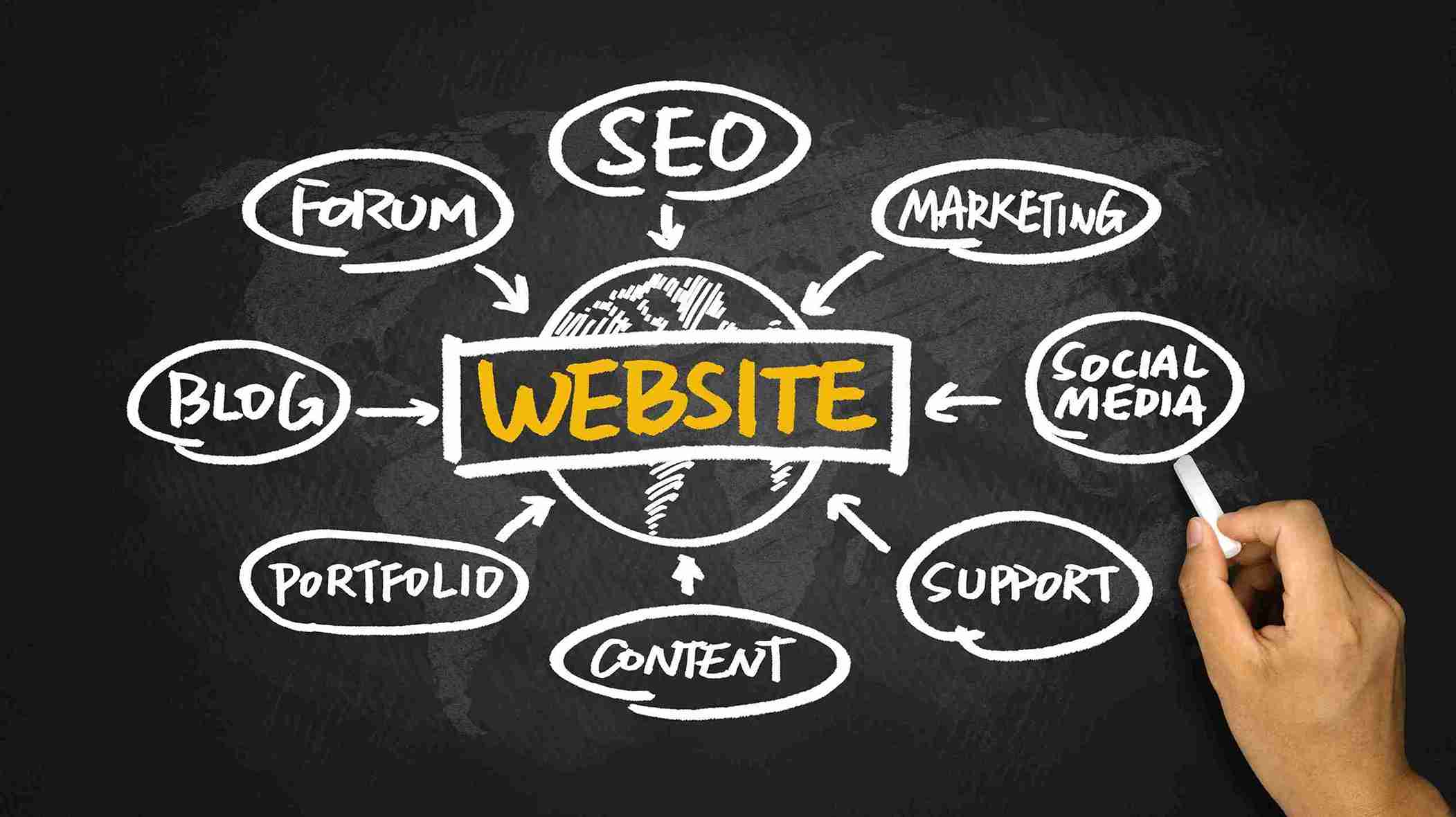
The general idea here is to choose the business website type that will solve your business tasks and help you achieve the goals you set. If you want to share some insights in a specific area – start a blog and communicate with your audience. If you strive to sell products and gain brand awareness – go for an e-commerce platform and a separate landing page where people can find important information about you. So, you got the idea.
Here are more business reasons why you should make a well-considered choice before stepping into ordering website development services:
- Business website choice impacts conversion. The average website conversion rate is approximately 2–4%, and it varies significantly depending on the type of site.
- Builds trust in seconds. 75–94% of users judge a business by its website design and how it tells about your brand and mission.
- Impacts SEO and visibility. Different types of websites (blog, marketplace, service site) are ranked differently.
- Determines whether you get leads at all. Only when the website serves its purpose – you get profits and a loyal audience.
- This is your main 24/7 sales channel.
Corporate websites: building brand authority and trust
It’s a basis for most businesses that want to have a strong presence online. Corporate websites introduce the company as a brand with its history, mission, vision, goals, services, and inner processes. These websites are the best choice for B2B companies, service and IT companies, or consulting firms.
When people browse your corporate website, they want to learn more about what your company is about, what services you offer, and who will deliver them. It can speed up the decision-making through smart website design and strong self-presentation on every web page. If you do these right – you get a request from the user and step-by-step build your customer base.
E-commerce websites: selling products and services online
E-commerce websites have one main goal – to present goods to the customers, so they can choose between them and place an order instantly. These websites are perfectly fit for retailers, brands that sell their unique products, and manufacturers. In simple words, it is for everyone who produces something and wants to sell it online. Such website development may cost more than a standard corporate website due to its complexity and extra integrations needed for doing deals online (buying & selling).
Portfolio websites: showcasing work and expertise
Portfolio websites are focused on presenting delivered cases and showcasing the results they bring. Not only to show how cool they look, but also what measurable results the clients get. Besides this, you can present your expertise, tools, and the approaches you use.
For example, it may be design agencies, IT companies, creative or marketing agencies. The works they can present are ad campaign design, landing page design, a full-packed brand identity with designs for social media and website, and many more.
Landing page websites: driving conversions and marketing campaigns
It’s a one-page website that serves as a visit card and motivates users to perform a specific action – buy, leave a request, register, subscribe, etc. Perfect for advertising, product launches, MVPs, and testing ideas. Or, when you have a mobile app and want to give people a short presentation of it, and detailed explanations, so they decide to download it right there.
Blog and content websites: educating and engaging your audience
Blog websites cover the content-based materials that you want to share with your audience – articles, guides, analytics, insights, news, etc. Best suited for experts, SaaS, EdTech, and marketplaces, where it’s important to explain things to the customer and build self-brand awareness. People come here from Google, read the content, start to trust the brand, and only then make a target action – subscribe, purchase, leave requests for consultations, and so on. Without this, a business loses organic traffic and low-cost leads.
How to choose the right type of website for your business goals
Here’s a quick guide on how to choose your perfect fit website type:
- Identify your primary business goal: sales, lead generation, or building trust.
- Assess the decision-making cycle.
- Consider your traffic sources.
- Assess the product’s complexity: the harder it is to explain, the more content and case studies you’ll need.
- Don’t mix incompatible goals within a single website type.
- Always build a plan for scalability. Will you be able to add new features without having to rebuild the entire site? Or will you need to expand your website features over time?
- Focus on metrics: conversion, CAC, time on site.
Conclusion
There are so many business types today that want to be visible online and expand their client base via specific websites. In real-world cases, the choice is not so hard to make when you clearly know what goals you want to achieve and what benefits your audience will get there. Evaluate every even the smallest factor to get a bigger picture and grow steadily with the right website.


Leave a Comment