
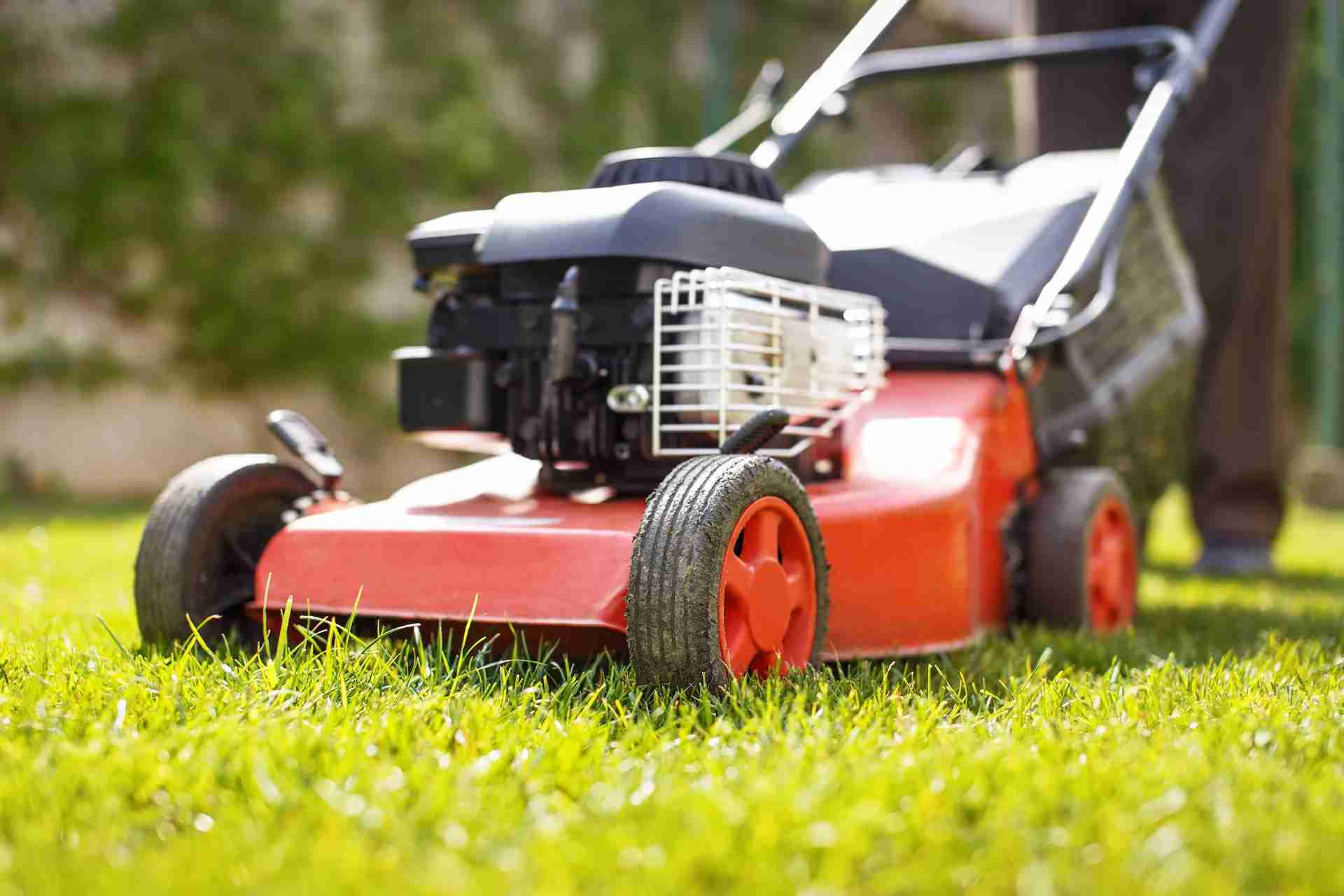
Pre-season maintenance isn’t just a line from the manual, it’s your chance to avoid that classic spring drama when the mower refuses to start right before you need it. Here’s how to wake up your equipment after months of sitting still.
Engine Check and Fluid Replacement
Let’s start with the heart of any lawn mower. After a winter break, it needs some attention. The first thing to check is the oil. If it wasn’t changed in the fall, now is the time. Old oil loses its properties, collects combustion byproducts, and traps moisture. This can lead to faster wear of engine parts.
Changing the oil is simple. Warm up the engine for a few minutes so the oil flows easier. Then drain it through the oil plug or use a special pump. Make sure to use oil with the right viscosity. Usually, SAE 30 works for warm weather, and 10W-30 is good for variable temperatures.
The fuel system also needs a look. If there’s old gas in the tank, drain it completely. Gas oxidizes over time and leaves deposits in the carburetor. This can make starting the engine difficult. Using fresh fuel ensures stable engine performance throughout the season.
Don’t forget the air filter. Its condition greatly affects performance. A clogged filter increases fuel consumption and reduces power. Replace paper filters every year. Foam filters can be washed in soapy water and dried before reuse.
Blade Condition and Cutting Height Adjustment
The most important part of your mower is the blade. A dull or damaged blade doesn’t cut grass — it tears it. This leaves ugly brown edges, drains moisture, and makes your lawn more prone to disease. Checking the blade should always be part of your pre-season routine.
Always remove the blade first (and disconnect the spark plug!). Inspect it closely. Cracks, chips, or heavy bends mean replacement. Even if it looks fine, the edge likely needs sharpening. Use a grinder, file, or take it to a workshop. Keep the original angle and balance — an unbalanced blade causes vibrations that wreck bearings.
If your old blade has seen a few seasons and the cut is uneven, it’s time for a new one. You can go for original or high-quality alternatives. Avoid cheap, unverified options. A good blade for lawn mower gives a clean cut and long life. With so many options, you can pick the best one for your conditions. Unsure? UDC Parts consultants can guide you.
Cutting height matters too. Adjust it for your lawn type and the season. In spring, mow higher to encourage root growth. The height adjustment should move smoothly. Replace worn locks or bent levers — otherwise, your mower will cut like a drunk barber.
Checking and Servicing the Starting System
Next up is the spark plug. Small part, big impact. Carbon buildup, wrong gap, or cracks in the insulator can make your engine sputter or refuse to start. Remove the plug, clean it with a wire brush, and check the gap with a feeler gauge. Standard gap: 0.75–0.80 mm—but always double-check the manufacturer’s specs.
If the plug is older than a season, replace it. And if it hasn’t been changed in five years… definitely replace it. New plugs are cheap and give you reliable starts. When installing, don’t overtighten—the cylinder head will hate you.
The starter rope and mechanism also need a look. Frayed rope, loose threads, or stiff movement are warning signs. A quick lubrication of the rotating parts and a check of the return spring takes five minutes but can save you from unexpected breakdowns and pricey repairs.
For electric starter models, make sure the battery is fully charged. Clean the terminals, check the connections, and if it’s serviceable, top up the electrolyte. A dead battery over winter will degrade fast, so charging before the season is a must.
Transmission and Wheel Drive System
Self-propelled mowers have a more complex system requiring regular maintenance. The drive belt transfers rotation from the engine to the wheels, and its condition directly affects machine mobility. Cracks, delamination, or loose tension signal an approaching failure.
Checking the belt is simple: press it with your finger in the middle section. Deflection shouldn’t exceed half an inch. If the belt sags or conversely is too tight, adjustment is needed. Most models have a tension mechanism with adjustment bolts.
The clutch cable is another element often ignored until the last minute. A worn or stretched cable doesn’t provide full clutch engagement, causing wheels to slip or not turn at all. Easy to check: squeeze the drive handle and assess the effort. If you need excessive force or the drive doesn’t engage immediately, it’s time for mower clutch cable replacement, which will solve the problem and restore normal operation.
Wheels and bearings also deserve attention. Play in the bushings, difficult rotation, or uneven tire wear all affect work quality. Lubricating the axles and checking tire pressure (if they’re pneumatic) doesn’t take much time.
Deck Maintenance and Discharge Setup
The underside of your mower deck is probably gross right now. Dried grass builds up all season, hardens into a cement-like layer, and traps moisture against the metal. That’s how decks rust through in spots that should last for years. Cleaning underneath isn’t fun but it matters.
Put the mower on its side with the carburetor facing up and scrape off all the stuck grass. Any scraper or brush will do. When the deck is clean, spray it with silicone or even cooking spray — grass sticks to it less next time.
Check your discharge setup while you’re at it. Side chute, bagging, mulching plug — whatever you use needs to be in decent shape. Torn bags dump grass everywhere. Bent chutes clog constantly. Missing mulching plugs mean mulching doesn’t work right. Mulching is actually great for your lawn when done correctly — returns nutrients and saves on fertilizer — but it only works on dry grass that you’re cutting regularly, not foot-tall weeds.
Handles, levers, and cables loosen up over time from vibration and use. Give the mower a simple once-over: shake parts gently, tighten anything loose, and replace anything that’s obviously worn out. A loose handle or cable that jumps out of place is annoying during operation, and fixing it now saves time later.
Safety and Final Preparation
A mower is still a piece of machinery, so safety covers matter. All protective guards around belts and moving parts should be intact and firmly secured. Missing guards aren’t just a safety violation — they’re a real injury risk.
The emergency stop lever must shut the engine down the moment you let go. If it doesn’t, the system needs adjusting. There’s nothing to think about here — it’s a safety issue.
Do a test run on level ground without cutting any grass. This lets you evaluate engine sound, check for vibrations, and confirm everything works correctly. Strange noises, excessive shaking, or unstable RPM are reasons for additional diagnostics.
Worth checking you have tools and spare parts on hand. Extra spark plug, some oil, wrenches for basic adjustments — all this should be accessible. Nobody wants to discover mid-season that replacing the belt requires a special wrench unavailable within thirty miles.
Conclusion
Regular pre-season maintenance may feel like a chore, but it really saves your nerves throughout the summer. When the equipment is working properly, you just mow the grass and don’t think about the fact that something might break “at the very moment”. You avoid unnecessary expenses and situations where the lawn grows but the mower won’t start.
These are a few simple actions once a season, but they solve a bunch of problems in advance: the engine starts without whims, the blade cuts, not tears the grass, the drive does not slip, and the whole structure does not fall apart in your hands. But the result is visible immediately – the grass is even, neat, without those brown “gnawed” tips, and mowing takes less time.
And if you do this every year, the equipment lasts much longer. There are no sudden breakdowns, no Googling “why the mower won’t start”, no trips to the service center in the middle of the season. Just normal, predictable work.
Your mower will thank you, your grass will thank you, and even your neighbors might start wondering if you secretly hired a professional gardener.


Leave a Comment