
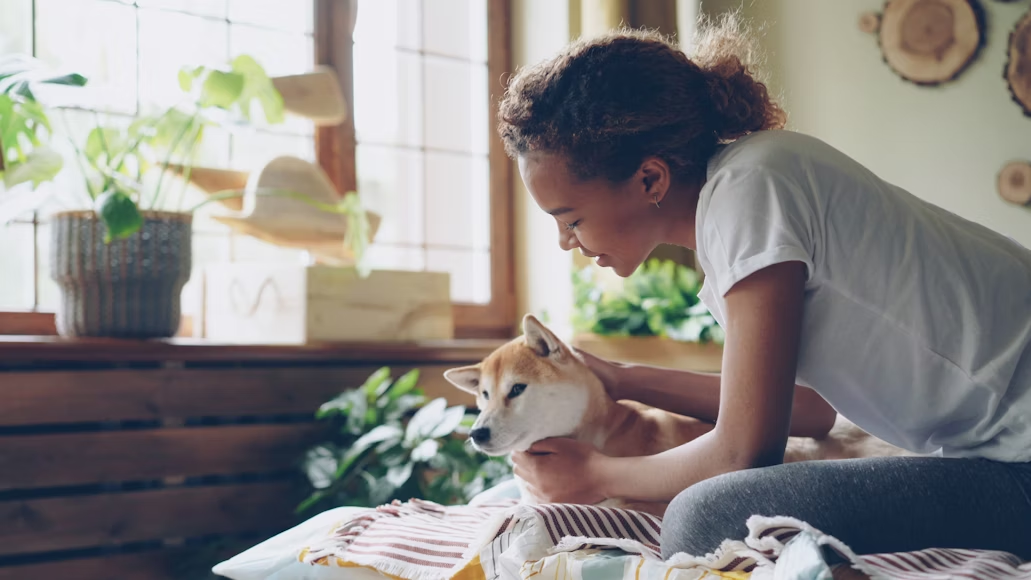
Creating a harmonious environment for your pet is essential for their well-being and happiness. This involves not only the physical space you provide but also your daily interactions and routines. Ensuring your pet’s happiness doesn’t have to break the bank either; you can find great deals on pet supplies using a Pets at Home discount code.
Understanding Your Pet’s Needs
One of the key aspects of nurturing your pet’s well-being lies in comprehending their needs, both essential and specific. Let’s break it down:
Basic Needs
- Proper Nutrition:
- Feed your pet a balanced diet.
- Avoid feeding them only a single type of food like kibble, as they need a variety of nutrients to stay healthy.
- Hydration:
- Ensure your pet always has access to fresh, clean water.
- Keep their water dish clean as pets can be picky about their dishes.
- Shelter:
- Provide a warm, safe, and comfy environment.
- Consider adding a cozy bed and some privacy for a true “home” feel.
They may also discuss medically supervised weight-loss options if appropriate. Some patients, for example, explore programs that If you’re a dog parent, take it a step further with targeted supplements to fill nutritional gaps and support joint health, digestion, and overall vitality. Reputable brands like Pup Labs offer carefully formulated options that complement a balanced diet to support your dog’s specific lifestyle and needs.
Species-Specific Care
Once the basics are covered, turn your attention to species-specific care:
- Dogs:
- Require regular exercise.
- Love social interaction.
- Cats:
- Prefer more shut-eye.
- Enjoy a lot of independence.
- Hamsters:
- Love activities like running on wheels.
- Are nocturnal, often active at night.
- Parrots:
- Thrive on social interaction.
- Need mental stimulation.
Understanding your pet’s individual needs is crucial. Learn the unique requirements of each species to keep your fuzzy (or feathery or scaly) friend happy and healthy. Every bit of knowledge you acquire will help in ensuring your pet is well-understood and well-cared for. Trust us, your pet will thank you!
Creating a Safe and Stimulating Environment
When it comes to nurturing your pet’s well-being, the environment you build for them is as pivotal as any bag of treats or belly rub. From playing their favourite game of fetch to sneaking into elusive corners, pets love to wander, explore and stimulate their senses. Ensuring they can do this safely is paramount.
Let’s talk safe spaces. Cats, for instance, are quite the climbers. Consider cat towers or wall shelves to satisfy their inner mountaineer. Dogs, on the flip side, might be on a constant mission to find that long-lost bone they’re sure they buried somewhere. A pet-friendly indoor and outdoor space where they can sniff and dig to their heart’s content, while being safely confined, could get their tail wagging. And don’t forget the small animals, like hamsters or guinea pigs. They love tunnels and hiding places, which can easily be provided with cardboard boxes or specialty pet products. Don’t overlook things like non-toxic plants, secure windows, and pet-friendly cleaning products because, let’s face it, they’ll sniff, chew, and lick just about anything!
Now, safe does not mean boring. A mentally stimulated pet is a happy pet. Engage their curious minds with interactive toys that challenge them. Treat-dispensing toys or puzzle feeders can keep them busy for hours while also encouraging their inborn searching and foraging instincts. Birds can be cheered up with mirrors, swings and bells. Reptiles are often intrigued by changes in their habitat’s layout or new objects to explore.
Getting to create this wonderland doesn’t mean you have to rob a bank. You can leverage deals from pet-friendly retailers using something as handy as a Pets at Home discount code. Your pet doesn’t need an indoor Taj Mahal, instead, little safe and stimulating titbits within their reach can light up their everyday life.
In summary, when you’re making a home for a pet, safety and stimulation hand in paw. Find the happy, balanced middle ground that keeps your pet active, curious, and safe. You’ll then have a harmonious environment, no matter what surprise your pet springs on you!
Incorporating Routine and Structure
Creating an enriched environment for your pet involves more than just doling out the daily chow and setting up a cozy corner. Pets, compared to humans, perceive time differently. Their world is composed of patterns, expectations, and rhythms that, while trivial to us, are crucial for their sense of stability.
Consistent Schedule
Pets, like humans, derive comfort from predictability. Regular routines ground them and make them feel safe and secure.
Key Elements of a Routine:
- Regular Feeding Times: Ensure meals are served at consistent times to provide stability.
- Set Walks: Scheduled walks help maintain calmness and predictability.
- Consistent Playtimes: Regular interaction strengthens your bond and enriches their day.
Consider this: Switching a pet’s feeding from night to morning can be disconcerting. Imagine having lunch at dawn! Similarly, surprising a dog with a midnight walk may initially appear adventurous but could cause anxiety over time as they come to expect irregular events.
Consistency allows pets to anticipate routine activities, reducing anxiety and stress related to unpredictability.
Benefits of Consistency:
- Aligns with pets’ internal clocks: wake times, meals, bathroom breaks, nap times, and play times.
- Creates comfort and security by providing a stable expectation.
Adaptability
While routines are important, rigidity is not. Pets’ needs change with age, health, and environment.
Being Flexible Within Structure:
- Age: An ageing pet may be less active.
- Health: Health issues can alter energy levels or appetite.
- Environment: A new home or family addition may shift their comfort zones.
Adapting routines as necessary ensures they cater to your pet’s evolving needs. Striking a balance between consistency and flexibility is key, paying attention to changes in behavior, energy, or disposition.
The Rhythm of Routine
Incorporating routine and structure creates a reliable rhythm for your pet—like a comforting heartbeat to their daily life. By providing a stable day-to-day environment and adapting as needed, you nurture a balanced and content pet. In return, their grateful licks, purrs, or simple presence add a harmonious melody to your life.
The Role of Play and Exercise
Play and exercise play a pivotal role in your pet’s life and well-being. You might be thinking, “Why would they need a workout— they’re just pets, right?” Well, let’s break it down a bit.
Physical Activity forms a cornerstone of your pet’s health. It’s not just about shedding a few extra pounds (though that is a perk); but more about keeping your pet physically sound in the long run. Exercise helps them maintain muscle tone and build strength. It also improves their blood circulation and helps to keep the heart healthy. Plus, it’s a great way to discourage destructive habits— a bored pet can develop behaviors like scratching furniture or digging holes in the backyard. Providing regular physical activity can help stave off these negative habits.
As for Bonding Through Play, this isn’t just about having a good romp on the living room rug— but it sure is a fun part of it. Playing isn’t just a fun pastime for your pet, but a vital element in building a strong relationship between you two. It boosts their confidence, aids in socialization, and —yes— creates a bond. The more you engage and play with your pet, the more you both build trust and understanding. It’s a language of love they positively respond to. And let’s be honest, watching your dog chase his own tail or your cat sprint after a laser light— it’s truly one of the best parts of pet ownership.
So, whether it’s a walk in the park, a game of fetch, or simply playing chase around the house, incorporating exercise and play into your pet’s routine will not only benefit their health but also strengthen your bond with each other. In other words, take time to play— it’s good for both of you!
Addressing Behavioral Issues
If you’ve ever scratched your head in bewilderment at your pet’s unexpected actions, you’re far from alone. The truth is, our furry (or feathery, or scaly) friends can exhibit a range of behavioral issues that can leave us puzzled, worried, or just plain frustrated. It’s important, however, to understand that they’re not being ‘naughty’ for no reason – often, these behaviors are signposts pointing to underlying issues.
Here’s a brief rundown of some of the more common behavioral problems. Dogs, for instance, may manifest issues such as aggression, separation anxiety, or continuous barking, while cats can exhibit issues like urine marking, aggression, or excessive grooming. Birds might develop destructive behaviors or start excessively squawking, and even reptiles can display aggression or refusal to eat.
Let’s not forget, though, that these are reactions to something that’s not quite right. They might be telling us that they’re bored, stressed, unwell, or perhaps frightened. They might also be responding to changes in the environment, such as a new person in the house or a change in the routine. It’s crucial, then, to observe and understand these signals and, if required, seek professional advice to deal with complex issues.
Now for the good news. Dealing with behavioral issues doesn’t have to be a daunting task once you understand your pet’s needs and motivations. One proven method to encourage good behavior in pets is positive reinforcement. This essentially means rewarding your pet for good behavior so it’s more likely to be repeated. This reward can be in the form of a treat, a favorite toy, or even praise and affection.
For instance, if your cat uses her scratching post instead of your precious couch, a quick undivided attention or a few squeezes of her favorite toy can go a long way. Similarly, your dog turning away from a mischievous dig in your rose garden might earn a nice belly rub or a game of tug-of-war.
Remember, the key here is consistency. Any behavior you reward, your pet will learn to associate with those positive outcomes. Clear, consistent messaging will help them understand exactly what’s expected.
Conversely, punishment isn’t a healthy or effective way to train your pet. Not only can it result in fear and aggression, but it also doesn’t teach your pet what they should be doing instead.
Ultimately, our goal should be to cultivate an environment of mutual respect and understanding with our pets, based on love and empathy. After all, they’re our companions – not our subordinates. Let’s help them understand what we want, just as they help us navigate our tough days.
The Importance of Regular Health Check-ups
Caring for your fur buddy goes beyond feeding them or taking them for walks. Like looking after a toddler, you need to keep an eye on their health.
Why Regular Check-Ups Matter
Regular health check-ups, much like those for humans, are vital for pets:
- Comprehensive Health Assessment: Gain a thorough understanding of your pet’s overall health and identify potential issues early.
- Preventive Care: Ensure your pet receives the preventive care they need to live longer, healthier, and happier lives.
Benefits of Regular Vet Visits
These visits are more than just a checkbox in pet care; they offer:
- Physical Examinations: Thorough check-ups to catch potential health issues early.
- Vaccinations: Essential for preventing diseases and helping keep your pet active and happy.
- Dental Health Checks: Early detection of dental issues to maintain their oral health.
- Heartworm Testing: Ensure your pet remains free from this serious condition.
- Parasite Control: Regular treatments for fleas, ticks, and worms to avoid infestations.
Preventative Measures
- Vaccinations: Crucial for disease prevention.
- Parasite Treatments: Essential to keep your pet free from fleas, ticks, and worms.
Final Thoughts
Maintaining regular health check-ups is key to ensuring a long, content life for your furry, feathery, or scaly friend. Remember, prevention is better than cure. So, book that veterinarian appointment and keep your best friends in their best health!
Building a Strong Emotional Connection
Creating a harmonious environment for your pet extends far beyond their physical state; it also involves cultivating an emotional bond that’s every bit as important as their diet or physical activity. It’s crucial to understand that this connection doesn’t form overnight. It requires time, patience, and a significant amount of tender loving care.
Communication
The cornerstone of building an emotional connection with your pet revolves around fostering communication. Pets might not speak human languages, but they communicate clearly through body language and vocalizations. Understanding these cues is essential to understanding their needs, emotions, and discomforts. Making an effort to decipher these signals can dramatically enhance your relationship. Let’s take dogs, for example – a wagging tail might indicate happiness, while a lowered tail and ears could mean they are scared or uncomfortable. Reading these signals accurately will show respect towards your pet’s emotions, which they’ll surely appreciate.
Unconditional Love
Love is not just a human emotion – pets thrive on love and affection too. Spending quality time with your pet is much more than a chore; it’s an opportunity for bonding, shared enjoyment, and for building that precious emotional connection. Whether you’re cuddling on the couch, playing fetch in the park, or simply winding down together at the end of the day, these shared moments develop into memories that nurture a deep, lasting bond between you and your pet.
Remember, your furry, feathered, or scaled friends are not just pets. They are part of your family and deserve the same level of love and care as any other family member. Take the time to establish open channels of communication, and make sure to express your love frequently and unconditionally. And while there’s no one-size-fits-all manual to pet ownership, being emotionally present and patient can make a world of difference to your pet’s happiness.
In the end, it’s all about creating a home where love thrives, for love, more than anything, is where harmony resides. As Tom Church from LatestDeals.co.uk thoughtfully remarks, “Building a close relationship with your pet requires just as much attention and love as any other relationship in your life, and the rewards are immeasurable.”
Quick Tips for Building a Pet-Friendly Home
So, you’ve read about your pet’s needs and factors to consider. But where do you start? Don’t sweat it; we’ve got you covered. Below are some easy peasy steps to get you going on your pet-friendly home project.
- Pet-Proof Everything: Kick-start the process by pet-proofing your home. Secure loose wires, keep chemically laden products out of reach, and make sure choking hazards, like small toys, are nowhere to be found. Remember, safety first!
- Create a Snug Space: Consider your pet’s size and species while preparing a comfy corner for them. Bigger isn’t always better – many pets love cosy, secure spaces to call their own.
- The Loo Location: Save yourself from imminent mess disaster. Place your pet’s loo or litter box in an easy-to-clean area that also guarantees privacy. Your pet will thank you – trust me on this!
- Toys and More: Toys are not frivolous expenditures – they are fundamental to your pet’s mental stimulation. Purchase toys that are safe, fun, and challenging. Here’s a secret – switch them around occasionally to maintain the novelty and excitement.
- Access to Viewpoints: If possible, create spaces where your pet can see what’s going on outside. It could be a window perch or a safe balcony area. Remember, curiosity didn’t kill the cat – boredom did.
- Climate Control: Some pets are temperature-sensitive. Maintain a temperate environment that suits your pet’s natural habitat.
Tom Church, Co-Founder of LatestDeals.co.uk, suggests that creating a pet-friendly haven doesn’t require grand gestures. “It’s about making thoughtful, incremental changes that prioritize your pet’s comfort and well-being,” he says. Take baby steps. Tweak one thing today, another tomorrow. Give it a few weeks and voila – you have a home where your pet feels safe, cherished, and absolutely in love with you. And isn’t that everything we aim for? Remember, it’s not just about creating a physical environment; it’s also about nurturing a loving, enduring, and respectful relationship with your furry (or feathery, or scaly) friend. You’ve got this!


Leave a Comment