
Senior citizens deserve independence, comfort, and dignity, even when they no longer wish to maintain a traditional home. Independent living communities are designed for older adults who do not require assisted living but want a supportive, engaging environment. These communities offer private living spaces while encouraging social interaction, healthy routines, and personal freedom. Many seniors choose independent living to enjoy a lifestyle that combines autonomy with security and purpose.
Promoting Social Engagement
Socialization opportunities are an essential part of facilitating senior independence. Residents have regular opportunities to meet others, form friendships, and participate in shared activities that reduce isolation and loneliness. Social calendars often include book clubs, art classes, discussion groups, and game nights. Shared dining experiences and communal spaces make it easy for seniors to interact naturally with peers of similar age and interests. Feeling part of a community fosters motivation, emotional well-being, and a sense of belonging that enriches everyday life.
Encouraging Physical Activity
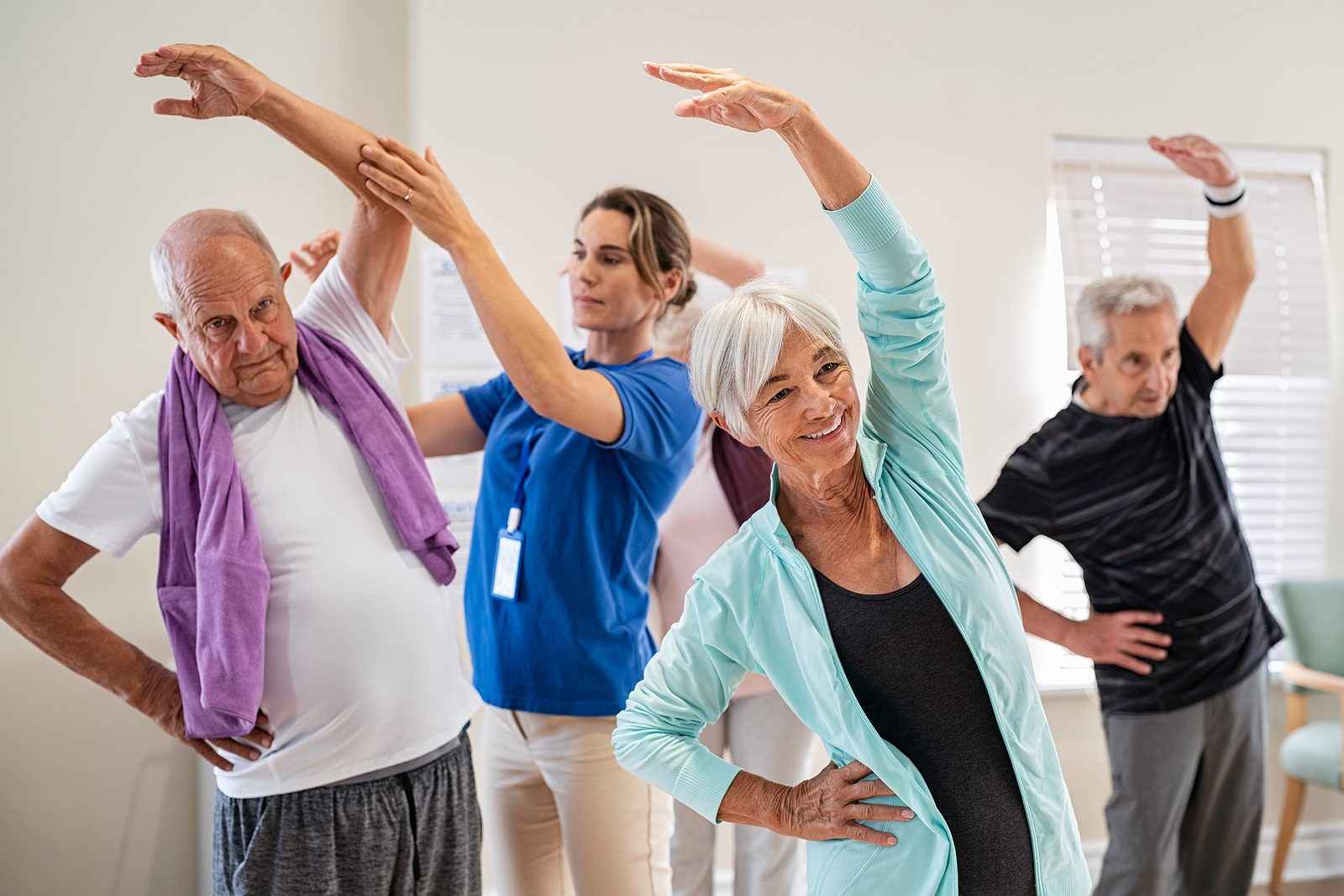
Wellness programs play a vital role in supporting healthy aging. Most independent living communities offer fitness centers, walking paths, and group exercise classes specifically designed for seniors. Activities such as yoga, swimming, tai chi, and light strength training help improve balance, flexibility, and endurance. Group fitness sessions also add a social element, making exercise more enjoyable and consistent. Regular movement supports physical health, boosts energy levels, and helps residents maintain independence for longer.
Providing Maintenance-Free Living
Household responsibilities can become increasingly challenging with age. Independent living communities typically include services such as housekeeping, laundry, and grounds maintenance. By removing these obligations, residents are free to focus on hobbies, relaxation, and social activities. Not having to worry about home repairs or upkeep provides peace of mind and allows seniors to spend their time doing what they enjoy most. Knowing that help is readily available adds an extra layer of comfort and security.
Offering Nutritious Dining Options
Access to nutritious meals is another benefit of independent living. Many communities offer chef-prepared meals with rotating menus that accommodate dietary needs and preferences. Restaurant-style dining rooms or casual cafés provide a welcoming alternative to cooking at home. Shared meals also serve as social gatherings, encouraging conversation and connection. Proper nutrition supports overall health, energy, and vitality, helping seniors feel their best as they age.
Ensuring Safety and Security
Safety is a priority in independent living communities, providing reassurance to residents and their families. Common safety features include secure entrances, emergency call systems, and on-site staff. Thoughtful design elements, such as well-lit walkways, accessible layouts, and handrails, reduce the risk of falls while promoting independence. Knowing that assistance is available if needed allows seniors to live confidently and comfortably. This sense of security also offers peace of mind to family members.
Supporting Independence and Choice
Research shows that retaining autonomy is still a primary concern for many seniors. Independent living communities respect residents’ preferences, routines, and personal choices. Support services are available when needed but do not interfere with independence. This resident-centered approach empowers individuals to remain in control of their lives while benefiting from a supportive environment.
Encouraging Family Involvement
Strong relationships with family and friends remain essential. Independent living communities encourage visits and often host family-friendly events and celebrations. Open communication and transparent policies help build trust between residents, families, and staff. Loved ones can participate in activities, attend gatherings, and remain actively involved in residents’ lives. These ongoing connections contribute to emotional well-being and overall happiness.
Building a Sense of Belonging
Creating a welcoming and inclusive atmosphere helps residents feel at home more quickly. Friendly staff, inviting common areas, and shared spaces such as lounges and gardens encourage informal social interaction. Peer support groups and optional counseling services provide emotional reassurance when needed. Feeling accepted and valued within the community enhances satisfaction and improves quality of life for seniors.
Conclusion
Independent living communities provide an enriching, supportive environment for active seniors who value autonomy and connection. By prioritizing social engagement, wellness, safety, and personal choice, these communities enhance daily living and long-term well-being. Residents enjoy meaningful activities, peace of mind, and a strong sense of belonging. For many older adults, independent living offers a positive, fulfilling path toward a healthier and more enjoyable retirement.


Leave a Comment