How Digital Tools Are Transforming Nursing Workflows

Author : Charlotte Smith

How Digital Tools Are Transforming Nursing Workflows

It is hard to imagine effective healthcare without nurses. These medical professionals handle a lot of dirty work, improving patient outcomes and reducing stress. Unfortunately, even though most nurses are highly dedicated to their craft, the healthcare system is constantly looking for more.

As the US population ages, nurses are taking on more responsibilities, often performing duties that doctors once handled. Staff shortages mean that they have to oversee dozens of patients during a single shift, resulting in a high burnout rate among the professionals. 

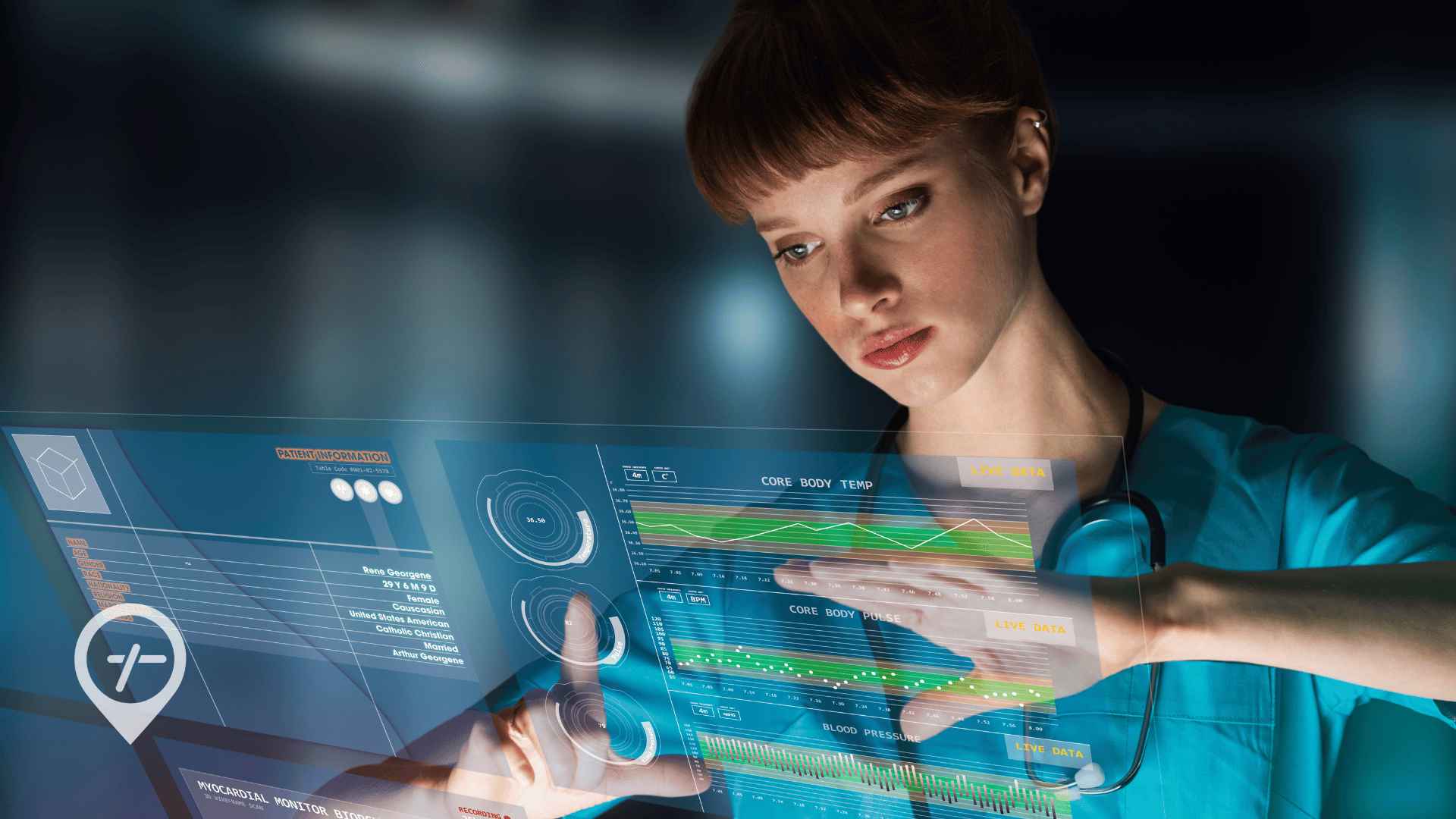
Despite these challenges, hospitals and clinics have found ways to ease the burden. By introducing digital tools, nurses are now empowered to achieve better patient outcomes. On top of that, software helps them automate processes they previously had to do by hand. 

5 Benefits of Healthcare Tools

Like many other industries, healthcare has experienced massive changes due to digital transformation. The process is vital for minimizing human errors, improving patient outcomes, and reducing stress. Technology enables medical staff to streamline daily workflows, giving professionals more time to focus on patients rather than dealing with administrative tasks.

Among other things, digital tools provide the following benefits for any nurse or nurse advocate:

1. Enhanced Efficiency

AI-driven software makes everything easier. You can store all patient files in a single database and extract insights in any format you see fit. Advanced software is vital for tracking medication, making staff and patient schedules, and eliminating redundant tasks that would previously eat away hours of your shift. 

2. Collaboration Between Teams

Medical staff can input new data as soon as it becomes available. All team members receive updates and alerts in real time, ensuring there’s no backtracking or duplicate work. Digital software keeps everyone in the loop, making it essential for large hospitals with numerous departments. 

3. Increased Accuracy

For the longest time, human errors were one of healthcare’s biggest issues. Traditional paperwork was often unreliable, leading to suboptimal patient outcomes due to illegible handwriting or data-entry errors. Software allows us to standardize files, making it easier to share information with other professionals and departments.  

4. Patient-Focused Care

Given that nurses and doctors don’t have to spend as much time on paperwork, they have more time to dedicate to their patients. Convoluted procedures have been replaced by streamlined digital tracking, minimizing stress on medical staff. This approach enhances patient satisfaction rates, increasing hospital profits and bonuses for medical staff. 

5. Job Satisfaction

Although medical staff might need some time to get acquainted with the software, most of these programs are pretty intuitive. Once they get used to the basics, they will be able to minimize work while maximizing outcomes, resulting in higher job satisfaction. Furthermore, nurses can now share information with coworkers online rather than walk across the hospital to deliver updates. 

Crucial Digital Tools for Nurses

Nowadays, there are so many different programs that can help out medical staff. In this article, we would like to focus on the four most important categories:

Electronic Health Records

Electronic Health Records (EHRs) have completely changed the medical field. They serve as a centralized source of truth for all relevant patient information. The data can be shared with other departments and used for extrapolating insights. EHRs significantly reduce administrative tasks, allowing nurses to focus on patient care.

The great thing about this software is that it works in real time, while automating numerous functions. You can filter data to gain insights into your patients’ overall health and the most common ailments. While the software might be a bit complex at first, its benefits outweigh the cons. Eventually, EHRs allow you to create efficient workflows, collaborate across teams, and reduce human error. 

Telehealth Solutions

Since COVID-19, there has been much more emphasis on telehealth. Hospitals and clinics across the US are trying to incorporate these solutions into their workflows, ensuring better outcomes and reducing the burden on nurses. The data from 2023 indicates that 12.6% of all patients had their appointments via telehealth platforms. 

The software is especially valuable in underserved areas, as it enables clinics to serve many more patients. Among other things, telehealth solutions reduce hospital utility bills while sometimes expediting care. Furthermore, telehealth is now vital for monitoring chronic conditions such as hypertension and diabetes, which don’t necessarily require a hospital visit. 

Read More: Understanding the Psychology of Chronic Physical Pain

Artificial Intelligence

Artificial intelligence and machine learning technologies have become prevalent in healthcare software. AI, in particular, works with large amounts of data and can improve its performance over time based on human feedback. Through its predictive functions, the software can evaluate how specific treatment plans will affect a patient.

AI is vital for predicting patterns, flagging lab and test results, and pointing nurses to priority cases. The advanced programs work with medical staff to improve outcomes, specifically by helping nurses make better decisions. The technology is especially valuable in critical cases, where human staff might need more time than AI to make the right diagnosis.

Remote and Wearable Devices

Wearable devices have become critical for patients with chronic conditions. For example, they are used to monitor heart rate, blood sugar levels, and other vital parameters. Biosensors are commonly used for sleep and mobility, shifting healthcare practices from reactive to proactive. 

With remote monitoring, doctors and nurses can respond promptly before complications arise. By relying on continuous data, hospitals can reduce length of stay and respond only when necessary. This optimizes available beds, reduces staff involvement, and improves the hospital’s efficiency. 

What Digital Tools Bring Us?

Digital transformation has introduced an additional dimension to healthcare. Modern technology allows us to combine nursing skills, compassion, and ethics with sophisticated tools that streamline daily processes. From telehealth platforms to wearables, AI solutions, and EHRs, professionals rely on a plethora of gadgets and programs for proactive care.

Although new technology requires data security and staff training, it is the next logical evolution of medicine. Companies that overlook digital transformation will eventually fall behind their competitors, as evidenced by patient care and profits. 

Published On:

Last updated on:

Disclaimer: The informational content on The Minds Journal have been created and reviewed by qualified mental health professionals. They are intended solely for educational and self-awareness purposes and should not be used as a substitute for professional medical advice, diagnosis, or treatment. If you are experiencing emotional distress or have concerns about your mental health, please seek help from a licensed mental health professional or healthcare provider.

Leave a Comment

Today's Horoscope

Daily Horoscope 3 April 2026: Prediction for Zodiac Signs

Daily Horoscope 3 April, 2026: Prediction For Each Zodiac Sign

You may find yourself noticing patterns, emotions, or even small wins you overlooked before.

Latest Quizzes

What Kind Of Karma Do You Have? 3 Markings Reveal Truths

3 Types of Karma Exist — Which One Were You Born With? Look for These Palm Signs

Spot an M, Y, or X on your palm? This hidden sign reveals your karma type!

Latest Quotes

Real Signs Your Body Is Actually in Good Health: How to Know You’re Truly Well

Real Signs Your Body Is Actually in Good Health: How to Know You’re Truly Well

Real signs your body is healthy don’t always show up on lab reports. From good sleep and clear skin to regular digestion and a stable mood, your body is constantly sending quiet signals of wellness.

Readers Blog

Caption This Image and Selected Wisepicks – 29 March 2026

Caption This Image and Selected Wisepicks – 29 March 2026

Ready to unleash your inner wordsmith? ✨??☺️ Now’s your chance to show off your wit, charm, or sheer genius in just one line! Whether it’s laugh-out-loud funny or surprisingly deep, we want to hear it.Submit your funniest, wittiest, or most thought-provoking caption in the comments. We’ll pick 15+ winners to be featured on our website…

Latest Articles

How Digital Tools Are Transforming Nursing Workflows

It is hard to imagine effective healthcare without nurses. These medical professionals handle a lot of dirty work, improving patient outcomes and reducing stress. Unfortunately, even though most nurses are highly dedicated to their craft, the healthcare system is constantly looking for more.

As the US population ages, nurses are taking on more responsibilities, often performing duties that doctors once handled. Staff shortages mean that they have to oversee dozens of patients during a single shift, resulting in a high burnout rate among the professionals. 

Despite these challenges, hospitals and clinics have found ways to ease the burden. By introducing digital tools, nurses are now empowered to achieve better patient outcomes. On top of that, software helps them automate processes they previously had to do by hand. 

5 Benefits of Healthcare Tools

Like many other industries, healthcare has experienced massive changes due to digital transformation. The process is vital for minimizing human errors, improving patient outcomes, and reducing stress. Technology enables medical staff to streamline daily workflows, giving professionals more time to focus on patients rather than dealing with administrative tasks.

Among other things, digital tools provide the following benefits for any nurse or nurse advocate:

1. Enhanced Efficiency

AI-driven software makes everything easier. You can store all patient files in a single database and extract insights in any format you see fit. Advanced software is vital for tracking medication, making staff and patient schedules, and eliminating redundant tasks that would previously eat away hours of your shift. 

2. Collaboration Between Teams

Medical staff can input new data as soon as it becomes available. All team members receive updates and alerts in real time, ensuring there’s no backtracking or duplicate work. Digital software keeps everyone in the loop, making it essential for large hospitals with numerous departments. 

3. Increased Accuracy

For the longest time, human errors were one of healthcare’s biggest issues. Traditional paperwork was often unreliable, leading to suboptimal patient outcomes due to illegible handwriting or data-entry errors. Software allows us to standardize files, making it easier to share information with other professionals and departments.  

4. Patient-Focused Care

Given that nurses and doctors don’t have to spend as much time on paperwork, they have more time to dedicate to their patients. Convoluted procedures have been replaced by streamlined digital tracking, minimizing stress on medical staff. This approach enhances patient satisfaction rates, increasing hospital profits and bonuses for medical staff. 

5. Job Satisfaction

Although medical staff might need some time to get acquainted with the software, most of these programs are pretty intuitive. Once they get used to the basics, they will be able to minimize work while maximizing outcomes, resulting in higher job satisfaction. Furthermore, nurses can now share information with coworkers online rather than walk across the hospital to deliver updates. 

Crucial Digital Tools for Nurses

Nowadays, there are so many different programs that can help out medical staff. In this article, we would like to focus on the four most important categories:

Electronic Health Records

Electronic Health Records (EHRs) have completely changed the medical field. They serve as a centralized source of truth for all relevant patient information. The data can be shared with other departments and used for extrapolating insights. EHRs significantly reduce administrative tasks, allowing nurses to focus on patient care.

The great thing about this software is that it works in real time, while automating numerous functions. You can filter data to gain insights into your patients’ overall health and the most common ailments. While the software might be a bit complex at first, its benefits outweigh the cons. Eventually, EHRs allow you to create efficient workflows, collaborate across teams, and reduce human error. 

Telehealth Solutions

Since COVID-19, there has been much more emphasis on telehealth. Hospitals and clinics across the US are trying to incorporate these solutions into their workflows, ensuring better outcomes and reducing the burden on nurses. The data from 2023 indicates that 12.6% of all patients had their appointments via telehealth platforms. 

The software is especially valuable in underserved areas, as it enables clinics to serve many more patients. Among other things, telehealth solutions reduce hospital utility bills while sometimes expediting care. Furthermore, telehealth is now vital for monitoring chronic conditions such as hypertension and diabetes, which don’t necessarily require a hospital visit. 

Read More: Understanding the Psychology of Chronic Physical Pain

Artificial Intelligence

Artificial intelligence and machine learning technologies have become prevalent in healthcare software. AI, in particular, works with large amounts of data and can improve its performance over time based on human feedback. Through its predictive functions, the software can evaluate how specific treatment plans will affect a patient.

AI is vital for predicting patterns, flagging lab and test results, and pointing nurses to priority cases. The advanced programs work with medical staff to improve outcomes, specifically by helping nurses make better decisions. The technology is especially valuable in critical cases, where human staff might need more time than AI to make the right diagnosis.

Remote and Wearable Devices

Wearable devices have become critical for patients with chronic conditions. For example, they are used to monitor heart rate, blood sugar levels, and other vital parameters. Biosensors are commonly used for sleep and mobility, shifting healthcare practices from reactive to proactive. 

With remote monitoring, doctors and nurses can respond promptly before complications arise. By relying on continuous data, hospitals can reduce length of stay and respond only when necessary. This optimizes available beds, reduces staff involvement, and improves the hospital’s efficiency. 

What Digital Tools Bring Us?

Digital transformation has introduced an additional dimension to healthcare. Modern technology allows us to combine nursing skills, compassion, and ethics with sophisticated tools that streamline daily processes. From telehealth platforms to wearables, AI solutions, and EHRs, professionals rely on a plethora of gadgets and programs for proactive care.

Although new technology requires data security and staff training, it is the next logical evolution of medicine. Companies that overlook digital transformation will eventually fall behind their competitors, as evidenced by patient care and profits. 

Published On:

Last updated on:

Charlotte Smith

Leave a Comment

    Leave a Comment