
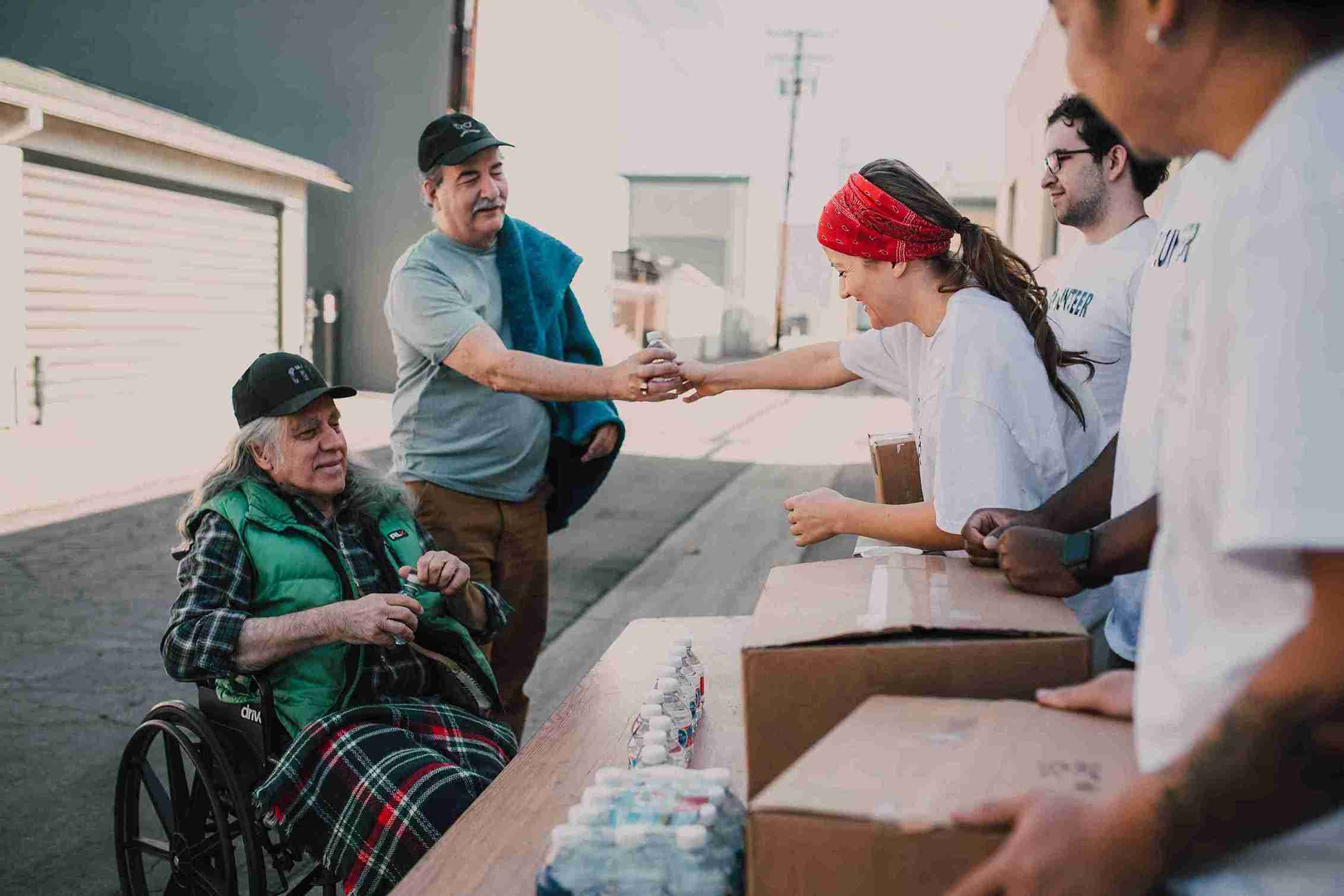
Picking what to study? Not always simple.
You hear the usual stuff. “Go for something stable.” “Pick what pays well.” Fair enough. But that’s not the whole picture. Many people (like yourself) want more than just a paycheck. They want work that can really make a difference. The kind of work that helps people, supports communities, or solves real problems.
Education isn’t just about getting a degree and moving on. It shapes how you think and interact – it also determines the kind of impact you can make. And, different degrees lead to different kinds of impact.
So, here are a few solid paths you can consider if you truly want to help people.
What Does “Helping Others” Mean to You?
Helping people sounds pretty simple, yes. But when you think about it, it’s not one thing. It can mean teaching kids, supporting patients, guiding someone through a tough time, and a lot more.
So before you pick a degree, pause. What kind of help feels right to you?
Want to work directly with people every day? Would you rather plan, organize, and support from a broader level?
No wrong answer here. Just different paths. Choose what suits you.
A Bachelor of Arts in Liberal Studies Can Open Many Doors
Don’t want to lock into one field right away? We get it.
The best route here? Go for a Bachelor of Arts in Liberal Studies. It gives you room to explore. Programs cover communication, social sciences, and critical thinking.
It’s a flexible degree. Want to move into education? You can. Want to go for nonprofit work? Do that. You’re not stuck doing one thing.
Oh, and if you need flexibility in the program itself, you’ll be happy to know that some top universities now offer a bachelor of liberal studies online! So, you can now study and manage any responsibilities you have simultaneously.
Education Degrees That Shape Future Generations
Teaching? It’s more than just standing in front of a class.
You shape how students think, learn, and even tackle challenges. That influence doesn’t leave even after school.
So, do you enjoy explaining things? Love working with younger people? This is the path for you.
You’ve got options too. Early education, middle school, high school. Different stages, different experiences.
Social Work – Direct Path to Community Impact
Want something hands-on? Social work is your thing.
You work with people – the ones who face real challenges. Families, individuals, communities. You help them find support, resources, and direction.
We’ll be honest – it’s not usually easy. Some situations are tough. Progress can be slow.
But the work is real. You see it. You feel it.
You’re not guessing if you’re making a difference. You’re part of it.
Healthcare Fields That Focus on Patient Care
Healthcare isn’t just doctors and hospitals, you know. There are plenty of other roles focused on care. Nursing, assisting, therapy, support services, etc. All centered around helping people feel better or recover.
You’re there during important moments. It’s structured work. You follow processes. You handle real situations. It can feel demanding. But is it meaningful? 100%
And yeah, there’s stability too. These roles stay in demand, which helps when you’re building a long-term career.
Psychology and Counseling for Emotional Support
Not all help is visible. Some of it happens in conversations. Quiet ones. You know, the kind where people open up about things they don’t share with anyone else.
That’s where psychology and counseling come in. You’re helping people understand their own feelings. Stress and anxiety are just so common these days. You guide them through that and even other challenges life throws.
These people don’t need quick answers. They just need someone to understand them and hear them out. They need an expert who can help them figure out what they are going through. That expert can be you.
It takes patience. And strong communication skills.
But the impact? It’s deep. You’re helping people feel heard. That’s what most people need today.
Public Health and Community Wellness Careers
Helping people? It doesn’t always happen one-on-one.
Sometimes it’s bigger than that. Whole communities. Large groups. Systems that affect daily life.
Public health focuses on prevention. All about education, awareness, and access. Things like nutrition programs, disease prevention, and community outreach.
You may not always see individuals directly. But your work affects them.
Cleaner environments, better health awareness, improved services – that’s what you’re signing up to do.
Like the idea of making an impact on a wider scale? This is your gig.
Law and Advocacy for Social Change
Law isn’t just about courts and contracts. It can be a tool for change.
Advocacy work focuses on protecting rights, supporting communities, and pushing for fairness. You might work with organizations. You could represent people who need support. Or, you could make policies that improve lives.
This is the path that gives you a platform. You’re doing more than helping individuals; you’re working toward changes – the ones that affect many people.
Nonprofit Management and Humanitarian Work
Want to work behind the scenes? This is for you.
Nonprofit and humanitarian work focuses on organizing efforts that help others. You might manage programs, coordinate teams, or handle resources that support communities.
It’s less about direct interaction. More about making sure everything runs smoothly.
Still important. Without structure, nothing works.
You’re helping create systems that deliver support where it’s needed. That impact? It might not always be visible right away, but it’s there.
And it matters.
Continuing Education and Certifications That Add Value
One degree doesn’t define everything. Short courses, certifications, additional training – each step adds something.
This works well if you want your options open. It also helps you stay updated. Skills change, industries shift – you know how fast the world is moving. Learning doesn’t stop after graduation.
If you’re serious about helping others, staying informed makes a difference.
There’s no straight line here. Some paths are clear from the start. Others take shape as you move forward. Both work. What matters is staying connected to why you started. That idea of helping others – that’s what keeps you grounded when things feel uncertain.
You try something, learn from it, and adjust if needed.
Soon, it stops feeling like a plan you’re figuring out. It starts feeling like something that actually fits in your life quite smoothly.


Leave a Comment