Calming the Cortisol–Insulin Loop: Practical Strategies For Hormonal Balance And PCOS

Author : Charlotte Smith

Calming the Cortisol–Insulin Loop: Practical Strategies For Hormonal Balance And PCOS

Calming the Cortisol–Insulin Loop: Practical Strategies For Hormonal Balance And PCOS

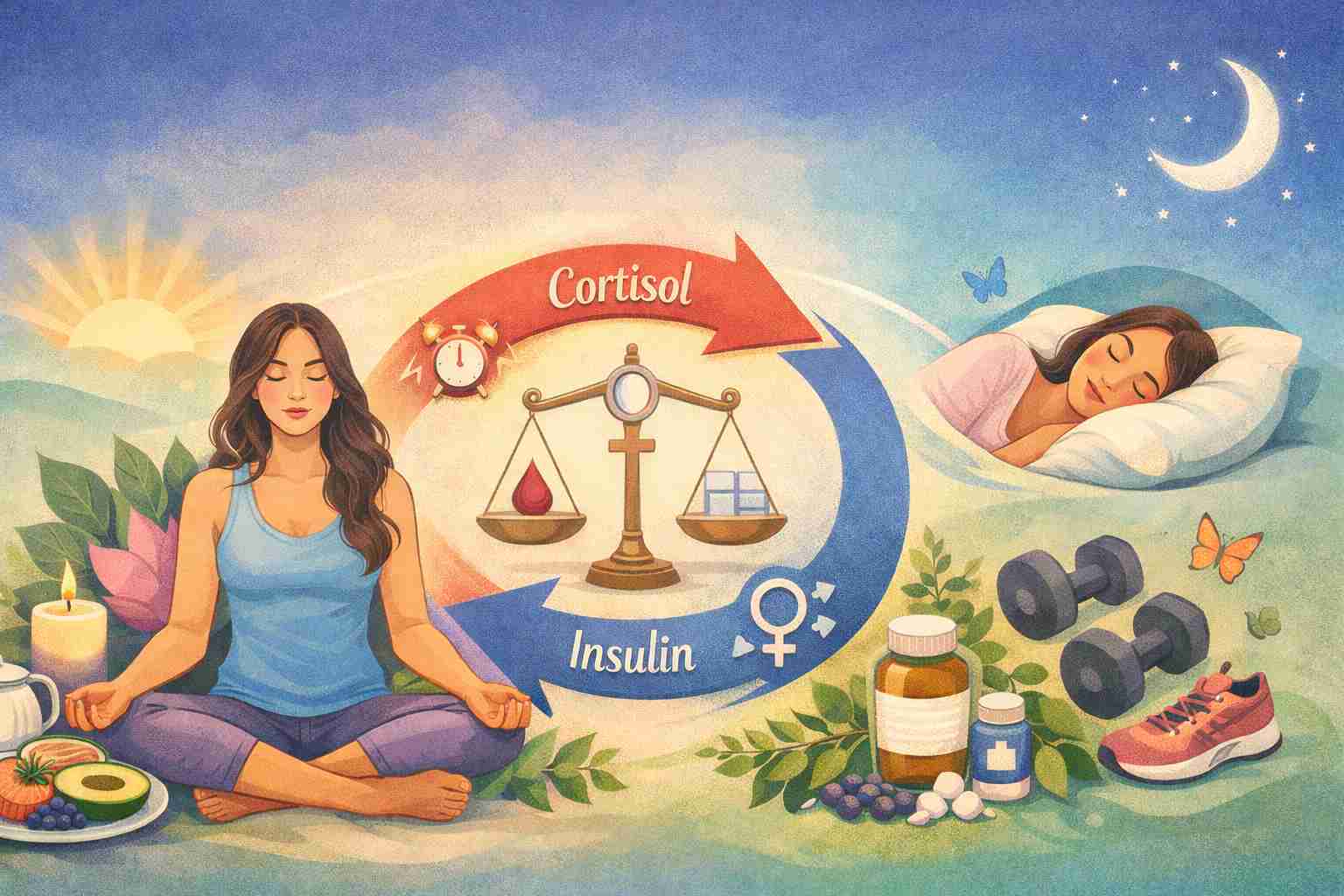
Many women describe feeling “wired and tired” while their cycles grow irregular and their energy dips. That mix often reflects a tug-of-war between cortisol, the body’s primary stress hormone, and insulin, a key metabolic regulator. When cortisol runs high or erratic, blood sugar control becomes less steady; over time that can nudge appetite, sleep, and menstrual rhythms off course. Women with polycystic ovary syndrome are particularly vulnerable, because insulin resistance is common in PCOS and amplifies androgen excess, acne, and ovulatory problems.

PCOS by the numbers: why stress management matters

PCOS affects an estimated 6 to 12 percent of U.S. women of reproductive age. Most women with PCOS have some degree of insulin resistance, and more than half will develop type 2 diabetes by age 40 if no preventive steps are taken. Chronic stress, poor sleep, and erratic eating make insulin resistance harder to manage. Women also report higher stress and sleep disturbance in national health surveys, a combination that predicts more cravings, less motivation to move, and greater abdominal fat, all of which can worsen hormonal symptoms.

Read More: 6 Signs You Are Suffering From Chronic Stress

Build a steady morning to anchor cortisol

Cortisol naturally peaks in the first hour after waking, helping you feel alert. Respect that rhythm by getting outside light within 30 to 60 minutes of waking, even on cloudy days. Morning light strengthens the circadian signals that keep cortisol highest earlier and quiet at night. A consistent wake time sets the tone for the rest of the day and improves sleep pressure at night.

A protein-forward breakfast blunts midmorning blood sugar swings. Aim for roughly a palm-sized portion of protein with fiber-rich carbohydrates and some fat. Many women fall short on daily fiber; the recommendation is about 25 grams per day, yet average intake is closer to 15 grams. Closing that gap steadies glucose and supports a healthier gut microbiome, which influences estrogen metabolism.

Use food timing and composition to tame insulin

Spacing meals three to five hours apart without constant grazing lets insulin rise and fall predictably. Front-loading calories earlier in the day may improve glycemic control for some, but the priority is regular meals that include protein, colorful plants, and minimally processed carbs. If you tolerate dairy, fermented options like plain yogurt add protein and beneficial bacteria. If you do better gluten-free, emphasize intact grains and starchy vegetables to avoid a fiber shortfall.

Hydration supports normal stress responses; even mild dehydration can worsen fatigue, headaches, and perceived stress. An electrolyte and vitamin C beverage can be helpful on high-sweat days or during the luteal phase when fluid shifts are common. Some women choose a Cortisol cocktail ; as with any functional drink, check sodium and sugar content and pair it with a balanced snack to avoid glucose spikes.

Move in ways that lower androgens and improve cycles

Exercise improves insulin sensitivity independent of weight change, an important point for PCOS. Combining brisk walking or cycling with two to three weekly strength sessions can reduce fasting insulin and support ovulation. Shorter high-intensity intervals are effective for time-crunched days, but if your stress is high and sleep is short, moderate steady-state movement may be kinder to your nervous system. Build from what is sustainable: consistency outperforms intensity for hormonal balance.

Train your nervous system to downshift

Slow, diaphragmatic breathing around six breaths per minute increases heart rate variability, a sign of parasympathetic activity, and helps calm the stress response. Five minutes before meals can improve digestion and reduce stress eating. Gentle yoga, nature exposure, and social connection all lower perceived stress and are linked with better sleep quality. If anxiety climbs in the late luteal phase, brief afternoon breaks and earlier wind-down routines often prevent nighttime cortisol surges.

Protect sleep to protect hormones

Adults generally need 7 to 9 hours of sleep. Short sleep is associated with higher insulin resistance and hunger hormones, and it worsens mood and pain sensitivity. Keep caffeine to the morning because it can impair sleep even six hours before bedtime, and limit alcohol, which fragments sleep and increases overnight awakenings. A cool, dark room and a consistent bedtime reinforce a healthy cortisol slope, with the lowest levels at night when we need to repair.

Read More: 10 Best Things To Do To Sleep Better At Night: Unlocking Restful Nights

Supplements with evidence, and those to approach thoughtfully

Myo-inositol, alone or combined with d-chiro-inositol, has evidence for improving ovulation and insulin sensitivity in PCOS. Omega-3 fats reliably lower triglycerides and may modestly support mood and inflammation. Magnesium helps many women meet an intake that is frequently below recommendations and can aid sleep and muscle relaxation. Discuss options with your clinician, especially if you take thyroid medication, metformin, or antidepressants. Be cautious with adrenal-stimulating herbs if you are sensitive to anxiety or insomnia.

When to seek personalized care

If you have cycles longer than 35 days, missed periods for three months, signs of high androgens such as rapid hair growth on the face or chest, or persistent acne, ask for evaluation that includes metabolic screening. A tailored plan addressing sleep, nutrition, movement, and mental health alongside medical therapies often restores predictability to your cycle and steadiness to your energy.

You are not fragile or failing if stress has tangled your hormones. With small, science-backed shifts and supportive care, the cortisol–insulin loop can become a quiet background system again so you can feel more like yourself day to day.

Published On:

Last updated on:

Disclaimer: The informational content on The Minds Journal have been created and reviewed by qualified mental health professionals. They are intended solely for educational and self-awareness purposes and should not be used as a substitute for professional medical advice, diagnosis, or treatment. If you are experiencing emotional distress or have concerns about your mental health, please seek help from a licensed mental health professional or healthcare provider.

Leave a Comment

Today's Horoscope

Daily Horoscope 3 April 2026: Prediction for Zodiac Signs

Daily Horoscope 3 April, 2026: Prediction For Each Zodiac Sign

You may find yourself noticing patterns, emotions, or even small wins you overlooked before.

Latest Quizzes

What Kind Of Karma Do You Have? 3 Markings Reveal Truths

3 Types of Karma Exist — Which One Were You Born With? Look for These Palm Signs

Spot an M, Y, or X on your palm? This hidden sign reveals your karma type!

Latest Quotes

Real Signs Your Body Is Actually in Good Health: How to Know You’re Truly Well

Real Signs Your Body Is Actually in Good Health: How to Know You’re Truly Well

Real signs your body is healthy don’t always show up on lab reports. From good sleep and clear skin to regular digestion and a stable mood, your body is constantly sending quiet signals of wellness.

Readers Blog

Caption This Image and Selected Wisepicks – 29 March 2026

Caption This Image and Selected Wisepicks – 29 March 2026

Ready to unleash your inner wordsmith? ✨??☺️ Now’s your chance to show off your wit, charm, or sheer genius in just one line! Whether it’s laugh-out-loud funny or surprisingly deep, we want to hear it.Submit your funniest, wittiest, or most thought-provoking caption in the comments. We’ll pick 15+ winners to be featured on our website…

Latest Articles

Calming the Cortisol–Insulin Loop: Practical Strategies For Hormonal Balance And PCOS

Calming the Cortisol–Insulin Loop: Practical Strategies For Hormonal Balance And PCOS

Many women describe feeling “wired and tired” while their cycles grow irregular and their energy dips. That mix often reflects a tug-of-war between cortisol, the body’s primary stress hormone, and insulin, a key metabolic regulator. When cortisol runs high or erratic, blood sugar control becomes less steady; over time that can nudge appetite, sleep, and menstrual rhythms off course. Women with polycystic ovary syndrome are particularly vulnerable, because insulin resistance is common in PCOS and amplifies androgen excess, acne, and ovulatory problems.

PCOS by the numbers: why stress management matters

PCOS affects an estimated 6 to 12 percent of U.S. women of reproductive age. Most women with PCOS have some degree of insulin resistance, and more than half will develop type 2 diabetes by age 40 if no preventive steps are taken. Chronic stress, poor sleep, and erratic eating make insulin resistance harder to manage. Women also report higher stress and sleep disturbance in national health surveys, a combination that predicts more cravings, less motivation to move, and greater abdominal fat, all of which can worsen hormonal symptoms.

Read More: 6 Signs You Are Suffering From Chronic Stress

Build a steady morning to anchor cortisol

Cortisol naturally peaks in the first hour after waking, helping you feel alert. Respect that rhythm by getting outside light within 30 to 60 minutes of waking, even on cloudy days. Morning light strengthens the circadian signals that keep cortisol highest earlier and quiet at night. A consistent wake time sets the tone for the rest of the day and improves sleep pressure at night.

A protein-forward breakfast blunts midmorning blood sugar swings. Aim for roughly a palm-sized portion of protein with fiber-rich carbohydrates and some fat. Many women fall short on daily fiber; the recommendation is about 25 grams per day, yet average intake is closer to 15 grams. Closing that gap steadies glucose and supports a healthier gut microbiome, which influences estrogen metabolism.

Use food timing and composition to tame insulin

Spacing meals three to five hours apart without constant grazing lets insulin rise and fall predictably. Front-loading calories earlier in the day may improve glycemic control for some, but the priority is regular meals that include protein, colorful plants, and minimally processed carbs. If you tolerate dairy, fermented options like plain yogurt add protein and beneficial bacteria. If you do better gluten-free, emphasize intact grains and starchy vegetables to avoid a fiber shortfall.

Hydration supports normal stress responses; even mild dehydration can worsen fatigue, headaches, and perceived stress. An electrolyte and vitamin C beverage can be helpful on high-sweat days or during the luteal phase when fluid shifts are common. Some women choose a Cortisol cocktail ; as with any functional drink, check sodium and sugar content and pair it with a balanced snack to avoid glucose spikes.

Move in ways that lower androgens and improve cycles

Exercise improves insulin sensitivity independent of weight change, an important point for PCOS. Combining brisk walking or cycling with two to three weekly strength sessions can reduce fasting insulin and support ovulation. Shorter high-intensity intervals are effective for time-crunched days, but if your stress is high and sleep is short, moderate steady-state movement may be kinder to your nervous system. Build from what is sustainable: consistency outperforms intensity for hormonal balance.

Train your nervous system to downshift

Slow, diaphragmatic breathing around six breaths per minute increases heart rate variability, a sign of parasympathetic activity, and helps calm the stress response. Five minutes before meals can improve digestion and reduce stress eating. Gentle yoga, nature exposure, and social connection all lower perceived stress and are linked with better sleep quality. If anxiety climbs in the late luteal phase, brief afternoon breaks and earlier wind-down routines often prevent nighttime cortisol surges.

Protect sleep to protect hormones

Adults generally need 7 to 9 hours of sleep. Short sleep is associated with higher insulin resistance and hunger hormones, and it worsens mood and pain sensitivity. Keep caffeine to the morning because it can impair sleep even six hours before bedtime, and limit alcohol, which fragments sleep and increases overnight awakenings. A cool, dark room and a consistent bedtime reinforce a healthy cortisol slope, with the lowest levels at night when we need to repair.

Read More: 10 Best Things To Do To Sleep Better At Night: Unlocking Restful Nights

Supplements with evidence, and those to approach thoughtfully

Myo-inositol, alone or combined with d-chiro-inositol, has evidence for improving ovulation and insulin sensitivity in PCOS. Omega-3 fats reliably lower triglycerides and may modestly support mood and inflammation. Magnesium helps many women meet an intake that is frequently below recommendations and can aid sleep and muscle relaxation. Discuss options with your clinician, especially if you take thyroid medication, metformin, or antidepressants. Be cautious with adrenal-stimulating herbs if you are sensitive to anxiety or insomnia.

When to seek personalized care

If you have cycles longer than 35 days, missed periods for three months, signs of high androgens such as rapid hair growth on the face or chest, or persistent acne, ask for evaluation that includes metabolic screening. A tailored plan addressing sleep, nutrition, movement, and mental health alongside medical therapies often restores predictability to your cycle and steadiness to your energy.

You are not fragile or failing if stress has tangled your hormones. With small, science-backed shifts and supportive care, the cortisol–insulin loop can become a quiet background system again so you can feel more like yourself day to day.

Published On:

Last updated on:

Charlotte Smith

Leave a Comment

    Leave a Comment