
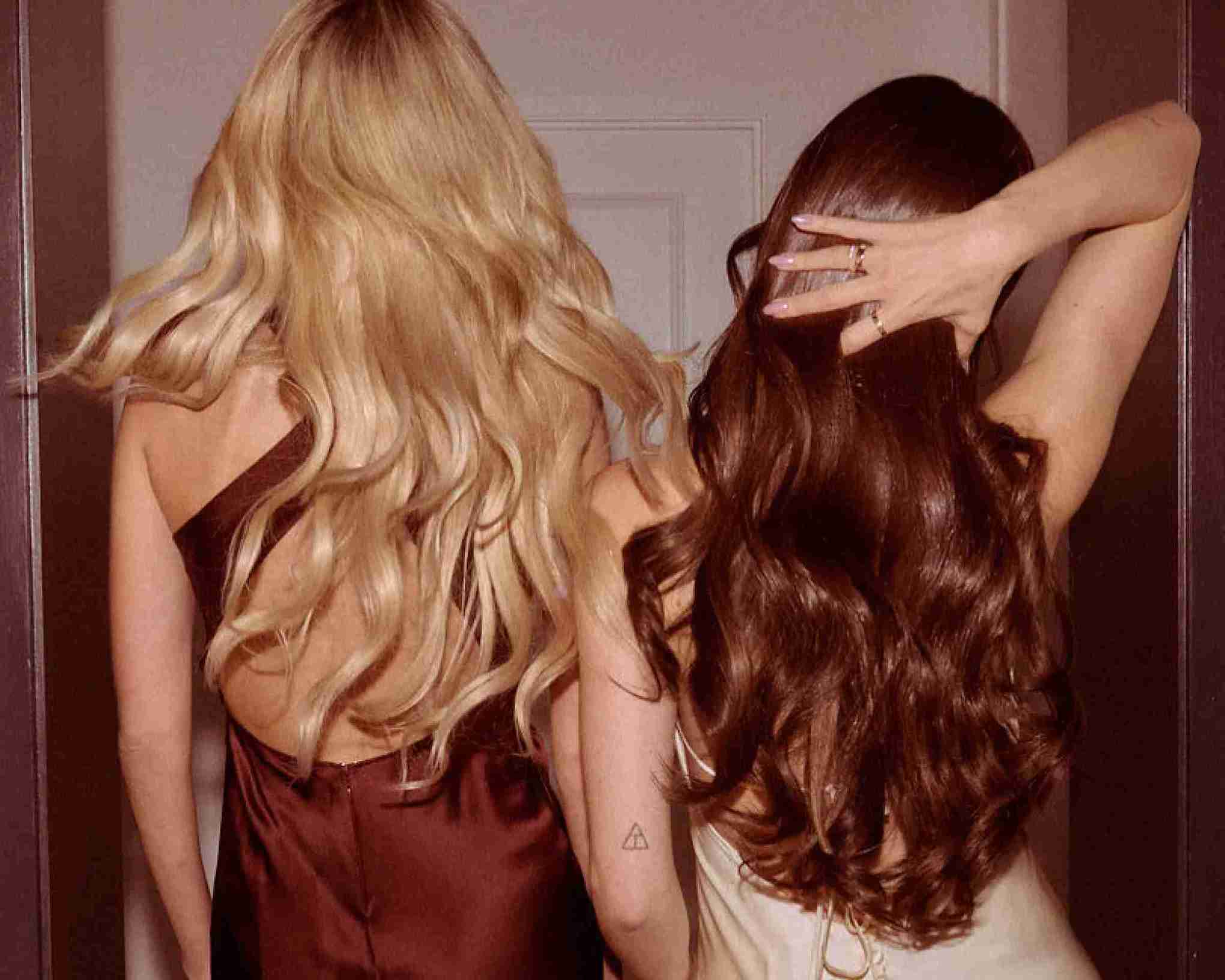
Halo hair extensions offer a quick way to add length and volume to your natural hair. However, the results depend on how well the color matches. A bad match stands out and looks fake, while the right shade blends in so well that no one can tell where your real hair ends and the extensions begin.
The key to a natural look is to match the extensions to your mid-lengths and ends rather than your roots, and to consider factors like undertones, natural light, and proper maintenance. Many people make simple mistakes during the selection process that lead to returns or disappointing results. With the right approach, you can avoid these problems and find extensions that work perfectly with your hair. Whether you have a single solid color or highlights throughout, there are straightforward methods to help you choose correctly.
Compare extensions to your hair’s mid-lengths and ends in natural light for the most accurate color match
Natural light provides the most accurate view of your hair color. Take your hair outside or stand near a window to see the true tones. Indoor lighting can change how colors appear and lead to poor matches.
Your mid-lengths and ends should guide your color choice. These sections are typically lighter than your roots due to sun exposure and natural wear. If you buy no-clip halo extensions that match your roots, ensure that they do not look too dark against the rest of your hair.
Hold the extensions next to your hair in sunlight. Focus on the areas where the halo will blend most. The middle and lower portions of your hair matter more than the top layer because that’s where the extensions will sit.
Your extensions should disappear into your natural hair. A perfect match means you can’t tell where your hair ends and the extensions begin. Take your time with this step because the right color makes all the difference.
Consider your hair’s undertones to ensure the halo extensions blend seamlessly
Your hair’s undertones play a major role in how well halo extensions blend with your natural hair. The base color might match, but the wrong undertones will create visible differences.
Hair undertones fall into three categories: warm, cool, or neutral. Warm undertones appear golden, red, or honey-toned. Cool undertones show ashy, violet, or blue-based hues. Neutral undertones contain a balanced mix of both.
Check your hair in natural light to identify your undertones accurately. Indoor lights can distort colors and lead to poor shade choices. Stand near a window or step outside to see the true tones in your hair.
Compare the extension strands next to your natural hair in daylight. Hold them close to your roots and mid-lengths. The undertones should match across both for a smooth, natural appearance. A perfect base color with mismatched undertones will still look obvious and create harsh lines where the extension meets your real hair.
Avoid matching extensions solely to roots, as this can create an unnatural look
Your roots are naturally darker than the rest of your hair. This happens to everyone, so you should match your halo extensions to the mid-lengths and ends instead of the roots.
If you select a shade based on your root color, the extensions will appear too dark. They won’t blend with the majority of your hair. This creates an obvious disconnect that draws attention to the fact that you’re wearing extensions.
Focus on the color of your hair from ear level down to the tips. This area shows your true hair color and tone. Your halo extensions need to match this section for a seamless blend.
Take a small section of your hair and hold it against your potential extension shade in natural light. Compare the colors at the mid-shaft rather than near your scalp. The match should look nearly identical for the best results.
Use gentle hair care products to maintain color consistency between natural hair and extensions
Sulfate-free shampoos protect both your natural hair and extensions from color fade. These formulas cleanse without stripping away the natural oils that keep hair healthy and vibrant. You should apply the same gentle products to your extensions as you do to your own hair.
Color-safe conditioners help preserve the shade match between your hair and extensions. Look for products free from harsh chemicals like ammonia and parabens. Natural oils such as argan, coconut, and jojoba work well to nourish both your hair and extensions without causing damage.
Heat protectant sprays serve as a barrier before you style with hot tools. This step prevents color shifts that can make your extensions appear different from your natural hair. You need to treat your extensions with the same care you give your own strands.
Avoid products with alcohol or heavy silicones that build up over time. This buildup can alter how light reflects off the hair and make color matches less precise.
Consult with a color expert if your hair has highlights or complex patterns for precise matching
Hair with multiple shades presents unique challenges for extension matching. A color expert can identify the different tones in your hair and recommend the best halo shade. They understand how highlights, lowlights, and natural variations work together.
Professional colorists use specific techniques to analyze your hair’s undertones and overtones. They consider how light hits your hair and which extension shade will blend most naturally. This expertise proves especially valuable for balayage, ombre, or heavily highlighted hair.
You can reach out to specialists through salons or beauty supply stores that offer color consultation services. Take clear photos of your hair in natural light from multiple angles before your consultation. Include front, side, and back views with your hair behind your shoulders so the expert can see all color variations.
The specialist will ask follow-up questions about your hair goals and lifestyle. This information helps them suggest the perfect halo extension shade for your unique coloring.
Conclusion
A perfect shade match transforms halo hair extensions from obvious to invisible. The process requires you to check your natural hair color under good light and compare it with extension samples. You should focus on the mid-lengths and ends of your hair rather than the roots, since highlights or growth can affect the base color.
Start with natural light photos of your hair and use them to compare with color swatches. Professional color rings or virtual tools can help you narrow down your options. The right shade creates a seamless blend that makes the extensions look like your real hair.


Leave a Comment