10 Powerful Techniques For Overcoming Speakers Anxiety

Author : Joe Navarro M.A.

If you are someone who has a fear of public speaking or you feel petrified of speaking on stage, then youโ€™ve come to the right place. This article is going to explore some of the best techniques for overcoming speakers anxiety and the fear of public speaking.

In the last 15 years I have done over 600 presentations. Along the way I have learned a few techniques to deal with the social anxiety and stress associated with public speaking.

If you find it difficult to talk in front of an audience, you may find these tactics useful as I and others have.

10 Techniques For Overcoming Speakers Anxiety

1. Recognize that stress or social anxiety is a natural reaction.

Tell yourself this is to be expected and many presenters, even after years of presenting, still get the jitters. Itโ€™s OK.

Related: What Is Performance Anxiety? 10 Ways To Overcome Your Fear Of Being Judged

2. Front it.

If you are nervous sometimes it is best to tell your audience, โ€œI am really nervous;โ€ I have personally done it and many well-known performers, for example, have done the same when receiving an award because they were nervous.

Itโ€™s OK. Remember, your audience wants you to succeed and they will understand. So let them know; they will smile back to make you comfortable and that alone often helps.

3. Prior to going on stage drink water.

Anxiety causes our mouths to dry so you want to be hydrated and have water available on stageโ€”just in case.

4. Stretch before going on stage.

I often see professional speakers stretch their neck forward and back as well as side-to-side and this helps them to deal with their anxieties. Others will open their mouth really wide several timesโ€”they tell me that helps.

Others move their shoulders up, hold, then lower them slowly. Each person has his or her own go-to favoritesโ€”see what works best for you.

5. Try the push awayโ€”it is easy to do and one of my favorites.

Stand about two feet away from a wall and do push-aways much as you would do a push-up. Five quick push-aways is often just enough to lessen anxiety.

6. Our subconscious deals with threats or potential issues so often..

we tend to focus on those in the audience that seem unhappy, displeased, or disinterested with our presentation.

Override this survival instinct by forcing yourself to focus only on friendly facesโ€”even if there is just one in the roomโ€”that will go a long way to help you relax. Once you find one then look for another and skip the unhappy or those that are disinterestedโ€”they are needless distractions.

Related: How To Speak So That People Want to Listen: 8 Powerful Strategies

7. We spend all day pacifying ourselves by engaging in hand to body touching (rubbing our nose, touching our faces, rubbing our hands together, biting our lips, etc.).

When we are stressed we do more of these things (blink rate also goes up, hand-wringing, hand massaging, playing with wedding bands, etc.) and on stage these can be very distracting.

Tell yourself โ€œI know I am going to do these thingsโ€”this is natural.โ€ Acknowledge to yourself that you do these things and that it is normal. On stage repeat to yourself, โ€œI will still do these things, only this time I will do them more slowly and gently.โ€

You still get to have your favorite security blanket/pacifying behaviorโ€”it just wonโ€™t be as distracting.

8. Learn to accept that the stage is your friend.

It is there for your benefit: to focus attention, to reach a broader audience, or to enhance your presentationโ€”it is not your enemy. Reframe your thinkingโ€”it will reduce your anticipatory stress level.
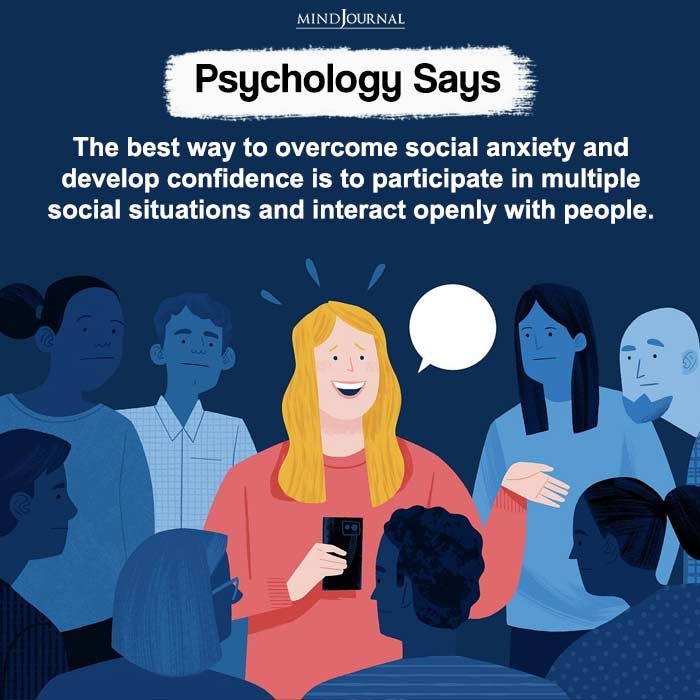
Speakers anxiety and overcoming the fear of public speaking

9. If you still find yourself struggling on stage, take a deep breathโ€ฆ

and exhale really slowly, longer than you would normally exhaleโ€”repeat if needed. Donโ€™t hesitate to let the audience know this is hard for youโ€”they understand and will admire you for trying.

Related: How To Overcome Social Anxiety: 10 Steps To Beat It For Good

10. Rehearse, rehearse, rehearse.

I often find great speakers in the green room quietly rehearsing out loud the same lines they have delivered many times. Why? Because it helps them to relieve stress and they can hear that all familiar voice; their own voice, and that alone helps them to calm down.

Check out Joe Navarroโ€™s website for more such informative and interesting articles. His books are available to purchase here.


Written By Joe Navarro M.A.
Originally Appeared On Psychology Today

Published On:

Last updated on:

Joe Navarro M.A.

Joe Navarro spent 25 years at the FBI, working both as an agent and supervisor in the areas of counterintelligence and counterterrorism. Through his work, he was able to study, refine, and apply the science of nonverbal communications. Retiring from the FBI in 2003, and meeting overwhelming demand for his notable insights into human behavior, Joe Navarro has dedicated himself to speaking and consulting with major corporations worldwide. Today he is recognized as one of the worldโ€™s foremost authorities on reading nonverbal communications and he has interviewed on programs such as NBCโ€™s Today Show, Fox News, ABCโ€™s Good Morning America, CBSโ€™ Early Show, BBC News, and for publications such as The Washington Post, South China Morning Post and Psychology Today.

Disclaimer: The informational content on The Minds Journal have been created and reviewed by qualified mental health professionals. They are intended solely for educational and self-awareness purposes and should not be used as a substitute for professional medical advice, diagnosis, or treatment. If you are experiencing emotional distress or have concerns about your mental health, please seek help from a licensed mental health professional or healthcare provider.

Leave a Comment

Today's Horoscope

Weekly Horoscope PART one

Weekly Horoscope 15 March to 21 March 2026

Read your zodiac signโ€™s prediction to understand the energy surrounding you and how to make the most of the days ahead!

Latest Quizzes

Interesting Finger Personality Test: 4 Finger Lines

Finger Personality Test: Join Your Fingers And Reveal A Hidden Personality Secret!

Look closely at your finger lines. Which pattern do you see? This personality test might surprise you!

Latest Quotes

How Men Show Love Through Actions (Male Psychology in Relationships)

How Men Show Love Through Actions (Male Psychology in Relationships)

Male psychology in relationships shows that men express love through presence, protection, and peace more than poetry. Decode his actions so you can see how deeply he actually cares.

Readers Blog

Caption This Image and Selected Wisepicks โ€“ 8 March 2026

Caption This Image and Selected Wisepicks โ€“ 8 March 2026

Provide a creative, relevant caption for the picture below and get selected and featured with your name and caption.  Selected Wisepicks We have selected 11 comments as Wisepicks from our Facebook, Facebook Group and Instagram as on 15 March 2026 Lou Angelique Heruela Listen to your inner child,not the angry voices in your mind. Bloom…

Latest Articles

If you are someone who has a fear of public speaking or you feel petrified of speaking on stage, then youโ€™ve come to the right place. This article is going to explore some of the best techniques for overcoming speakers anxiety and the fear of public speaking.

In the last 15 years I have done over 600 presentations. Along the way I have learned a few techniques to deal with the social anxiety and stress associated with public speaking.

If you find it difficult to talk in front of an audience, you may find these tactics useful as I and others have.

10 Techniques For Overcoming Speakers Anxiety

1. Recognize that stress or social anxiety is a natural reaction.

Tell yourself this is to be expected and many presenters, even after years of presenting, still get the jitters. Itโ€™s OK.

Related: What Is Performance Anxiety? 10 Ways To Overcome Your Fear Of Being Judged

2. Front it.

If you are nervous sometimes it is best to tell your audience, โ€œI am really nervous;โ€ I have personally done it and many well-known performers, for example, have done the same when receiving an award because they were nervous.

Itโ€™s OK. Remember, your audience wants you to succeed and they will understand. So let them know; they will smile back to make you comfortable and that alone often helps.

3. Prior to going on stage drink water.

Anxiety causes our mouths to dry so you want to be hydrated and have water available on stageโ€”just in case.

4. Stretch before going on stage.

I often see professional speakers stretch their neck forward and back as well as side-to-side and this helps them to deal with their anxieties. Others will open their mouth really wide several timesโ€”they tell me that helps.

Others move their shoulders up, hold, then lower them slowly. Each person has his or her own go-to favoritesโ€”see what works best for you.

5. Try the push awayโ€”it is easy to do and one of my favorites.

Stand about two feet away from a wall and do push-aways much as you would do a push-up. Five quick push-aways is often just enough to lessen anxiety.

6. Our subconscious deals with threats or potential issues so often..

we tend to focus on those in the audience that seem unhappy, displeased, or disinterested with our presentation.

Override this survival instinct by forcing yourself to focus only on friendly facesโ€”even if there is just one in the roomโ€”that will go a long way to help you relax. Once you find one then look for another and skip the unhappy or those that are disinterestedโ€”they are needless distractions.

Related: How To Speak So That People Want to Listen: 8 Powerful Strategies

7. We spend all day pacifying ourselves by engaging in hand to body touching (rubbing our nose, touching our faces, rubbing our hands together, biting our lips, etc.).

When we are stressed we do more of these things (blink rate also goes up, hand-wringing, hand massaging, playing with wedding bands, etc.) and on stage these can be very distracting.

Tell yourself โ€œI know I am going to do these thingsโ€”this is natural.โ€ Acknowledge to yourself that you do these things and that it is normal. On stage repeat to yourself, โ€œI will still do these things, only this time I will do them more slowly and gently.โ€

You still get to have your favorite security blanket/pacifying behaviorโ€”it just wonโ€™t be as distracting.

8. Learn to accept that the stage is your friend.

It is there for your benefit: to focus attention, to reach a broader audience, or to enhance your presentationโ€”it is not your enemy. Reframe your thinkingโ€”it will reduce your anticipatory stress level.

Speakers anxiety and overcoming the fear of public speaking

9. If you still find yourself struggling on stage, take a deep breathโ€ฆ

and exhale really slowly, longer than you would normally exhaleโ€”repeat if needed. Donโ€™t hesitate to let the audience know this is hard for youโ€”they understand and will admire you for trying.

Related: How To Overcome Social Anxiety: 10 Steps To Beat It For Good

10. Rehearse, rehearse, rehearse.

I often find great speakers in the green room quietly rehearsing out loud the same lines they have delivered many times. Why? Because it helps them to relieve stress and they can hear that all familiar voice; their own voice, and that alone helps them to calm down.

Check out Joe Navarroโ€™s website for more such informative and interesting articles. His books are available to purchase here.


Written By Joe Navarro M.A.
Originally Appeared On Psychology Today

Published On:

Last updated on:

Joe Navarro M.A.

Joe Navarro spent 25 years at the FBI, working both as an agent and supervisor in the areas of counterintelligence and counterterrorism. Through his work, he was able to study, refine, and apply the science of nonverbal communications. Retiring from the FBI in 2003, and meeting overwhelming demand for his notable insights into human behavior, Joe Navarro has dedicated himself to speaking and consulting with major corporations worldwide. Today he is recognized as one of the worldโ€™s foremost authorities on reading nonverbal communications and he has interviewed on programs such as NBCโ€™s Today Show, Fox News, ABCโ€™s Good Morning America, CBSโ€™ Early Show, BBC News, and for publications such as The Washington Post, South China Morning Post and Psychology Today.

Leave a Comment

    Leave a Comment