Mental Health Funding Restored After Public Outcry Across the United States

Author : Jessica Taylor

Mental Health Funding Restored After Public Outcry Across the United States

After the January 2026 declaration from the Trump administration, more than 2,000 addiction and mental health programs were given notice of an impending loss of nearly $2 billion in funding, the mental health community has been thrust into the spotlight again. The feeling of returning from the brink of a cliff was felt among the frontline providers, family members, and those in recovery.

These grants provide much needed support to community mental health centers, as well as housing and employment services, crisis services, and peer support services that millions rely on each day in order to remain safe, stable, and connected to their communities. Advocates warned that losing the mental health funds would mean an end to essential services for people living with mental illness such as schizophrenia, bipolar disorder, major depression, and substance use disorders. One advocate described the difference that these grants make as having “barely surviving” versus “living a life.”

The reversal of this decision comes after tremendous pressure from both Republican and Democratic members of Congress, who wrote directly to Robert F. Kennedy Jr., the Secretary of Health and Human Services, requesting the restoration of funds for the mental health community. Many members of Congress were shocked with the suddenness of the administration’s announcement, particularly since President Trump had just signed the re-authorization of the SUPPORT Act in December, 2023, making a significant federal investment in mental health care.

For people who are on the ground level of mental health service provision, the issue isn’t “policy” or “programmatic philosophy”. It’s whether their therapist is still going to be able to see them in two months, whether the program that they attend on a daily basis is still going to be open, and whether or not their loved one who is going through a mental health crisis is going to have any place to go other than the jail or the emergency room. Restoring mental health funding means that the doors of group homes will remain open, supported employment programs will help people to find jobs again, and families will be able to breathe a little bit easier knowing that they won’t lose their loved one’s care overnight.

Trust has been shaken because of the episode. Providers and advocates are worried that the mental health funding will again fluctuate in the future, destabilizing the lives of their residents as well as the staff members who support them; many have called for stronger legal protections to protect against abrupt cuts to fundamental mental health funding and for extended length of grant cycles so that mental health program services can be planned, rather than lived on a yearly basis.

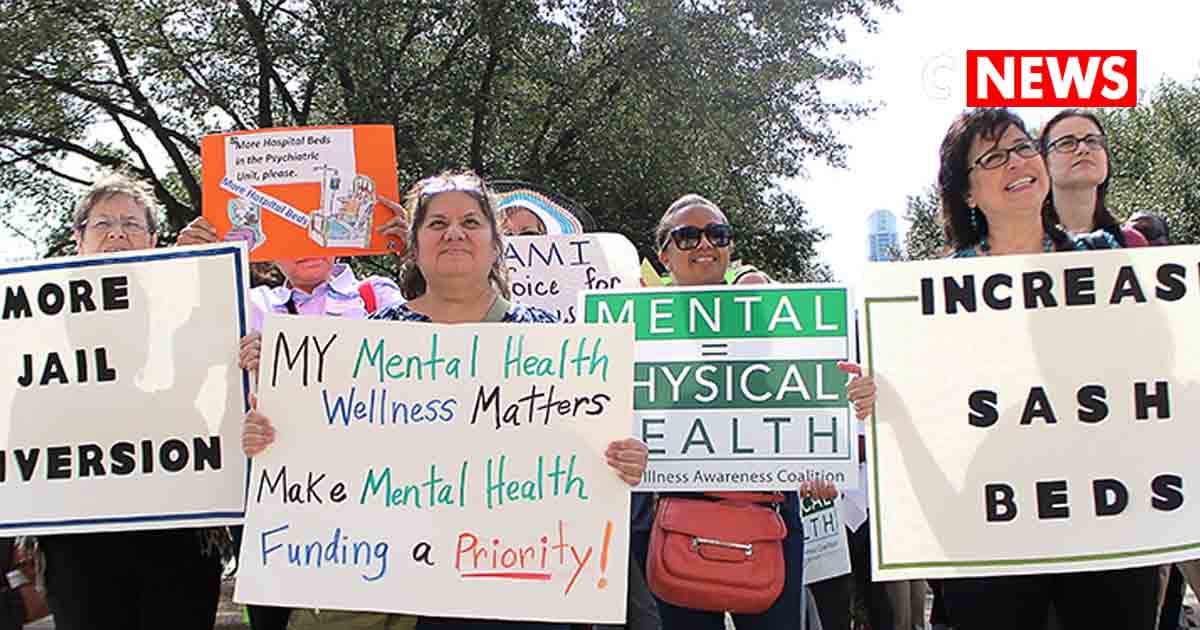
At the same time, there is no denying that the public response demonstrates that attitudes have changed significantly in the past ten years. Ten years ago, cutting mental health funding with little announcement would likely not have generated much backlash; in 2026, constituents contacted their legislators in unprecedented volumes, insistent that funding for mental health is as integral to the health system as funding for any other component of the health system. That evolution in perspective demonstrates that mental health is being viewed as equally important as physical health.

Source: H.H.S. Reverses Decision to Cut $2 Billion for Mental Health and Addiction Services – The New York Times

Published On:

Last updated on:

Jessica Taylor

Jessica Taylor is a staff writer for Minds Journal News, where she covers stories on mental health, wellness, and culture. With a background in communications and a keen interest in how everyday experiences shape our emotional lives, Jessica brings thoughtful perspectives to trending news and timeless issues alike. She enjoys connecting the dots between research and real life, making psychology accessible and engaging for readers.

Disclaimer: The informational content on The Minds Journal have been created and reviewed by qualified mental health professionals. They are intended solely for educational and self-awareness purposes and should not be used as a substitute for professional medical advice, diagnosis, or treatment. If you are experiencing emotional distress or have concerns about your mental health, please seek help from a licensed mental health professional or healthcare provider.

Leave a Comment

Today's Horoscope

Weekly Horoscope 21 March to 28 March 2026

Weekly Horoscope 21 March to 28 March 2026

Ready to see what this week will bring for your zodiac sign? Check out your weekly horoscope below!

Latest Quizzes

Free Vase Personality Test: 3 Options; Choose A Vase

Vase Personality Test: Your First Pick Reveals Your Main Character Trait

Take a moment, look closely, and pick an object that represents you.

Latest Quotes

We’re Not Antisocial: We’re Craving True Belonging, Not Shallow Interactions

We’re Not Antisocial: We’re Craving True Belonging, Not Shallow Interactions

We’re not antisocial; we’re just tired of shallow interactions. When you’re craving belonging, small talk feels empty, and your mind longs for deeper, authentic connection that truly sees you.

Readers Blog

Caption This Image and Selected Wisepicks – 22 March 2026

Caption This Image and Selected Wisepicks – 22 March 2026

Ready to unleash your inner wordsmith? ✨??☺️ Now’s your chance to show off your wit, charm, or sheer genius in just one line! Whether it’s laugh-out-loud funny or surprisingly deep, we want to hear it.Submit your funniest, wittiest, or most thought-provoking caption in the comments. We’ll pick 15+ winners to be featured on our website…

Latest Articles

Mental Health Funding Restored After Public Outcry Across the United States

After the January 2026 declaration from the Trump administration, more than 2,000 addiction and mental health programs were given notice of an impending loss of nearly $2 billion in funding, the mental health community has been thrust into the spotlight again. The feeling of returning from the brink of a cliff was felt among the frontline providers, family members, and those in recovery.

These grants provide much needed support to community mental health centers, as well as housing and employment services, crisis services, and peer support services that millions rely on each day in order to remain safe, stable, and connected to their communities. Advocates warned that losing the mental health funds would mean an end to essential services for people living with mental illness such as schizophrenia, bipolar disorder, major depression, and substance use disorders. One advocate described the difference that these grants make as having “barely surviving” versus “living a life.”

The reversal of this decision comes after tremendous pressure from both Republican and Democratic members of Congress, who wrote directly to Robert F. Kennedy Jr., the Secretary of Health and Human Services, requesting the restoration of funds for the mental health community. Many members of Congress were shocked with the suddenness of the administration’s announcement, particularly since President Trump had just signed the re-authorization of the SUPPORT Act in December, 2023, making a significant federal investment in mental health care.

For people who are on the ground level of mental health service provision, the issue isn’t “policy” or “programmatic philosophy”. It’s whether their therapist is still going to be able to see them in two months, whether the program that they attend on a daily basis is still going to be open, and whether or not their loved one who is going through a mental health crisis is going to have any place to go other than the jail or the emergency room. Restoring mental health funding means that the doors of group homes will remain open, supported employment programs will help people to find jobs again, and families will be able to breathe a little bit easier knowing that they won’t lose their loved one’s care overnight.

Trust has been shaken because of the episode. Providers and advocates are worried that the mental health funding will again fluctuate in the future, destabilizing the lives of their residents as well as the staff members who support them; many have called for stronger legal protections to protect against abrupt cuts to fundamental mental health funding and for extended length of grant cycles so that mental health program services can be planned, rather than lived on a yearly basis.

At the same time, there is no denying that the public response demonstrates that attitudes have changed significantly in the past ten years. Ten years ago, cutting mental health funding with little announcement would likely not have generated much backlash; in 2026, constituents contacted their legislators in unprecedented volumes, insistent that funding for mental health is as integral to the health system as funding for any other component of the health system. That evolution in perspective demonstrates that mental health is being viewed as equally important as physical health.

Source: H.H.S. Reverses Decision to Cut $2 Billion for Mental Health and Addiction Services – The New York Times

Published On:

Last updated on:

Jessica Taylor

Jessica Taylor is a staff writer for Minds Journal News, where she covers stories on mental health, wellness, and culture. With a background in communications and a keen interest in how everyday experiences shape our emotional lives, Jessica brings thoughtful perspectives to trending news and timeless issues alike. She enjoys connecting the dots between research and real life, making psychology accessible and engaging for readers.

Leave a Comment

    Leave a Comment