How Small Talk Unlocks Big Potential In Mentoring

Author : Andy Lopata

How Small Talk Unlocks Big Potential? 2 Benefits

You might think small talk is just filler, but in mentoring, it helps you build trust and spark deeper, lasting connections. Let’s learn more about Andy Lopata’s take on this below!

Small talk isn’t purposeless; it opens the way for highly impactful mentoring.

Key points

  • Small talk plays a crucial role in mentoring by helping to establish personal connection and trust.
  • Personal conversations make mentors more relatable, encouraging mentees to open up and share honestly.
  • Deep trust and engagement lead to better mentoring conversations and uncover hidden challenges.
small talk
Making Small Talk

When somebody asks you to mentor them at work, it can be very tempting to get straight to the point. After all, youโ€™re busy, youโ€™re giving up valuable hours for no tangible reward, and thereโ€™s a clear objective youโ€™re working towards.

It is important to set clear objectives in mentoring relationships and remain focused on the goalโ€”and easy to dismiss small talk as superfluous. Nevertheless, small talk does play an important role in the mentoring process, and dismissing such pleasantries could negatively impact the effectiveness of your mentoring.

While one-off, single-solution mentoring conversations may well benefit from a strong focus in a tight time frame, longer-term mentoring relationships are more likely to flourish if the personal connection is deeper, trust is established, conversations become more wide-ranging, and both parties feel comfortable opening up and being transparent with each other.

Read More Here: Toxic Mentorship: Mentor or Tormentor?

How To Enhance Connections Through Small Talk

The Role of Personal Conversations in Developing Trust

A mentee needs to trust their mentor in several ways. While that mentorโ€™s position, expertise, or experience might provide reassurance about the solutions they are likely to offer, mentees still need confidence that their mentor has their interests at heart. Such confidence is vital when the mentor works in the same organisation and might have a direct or indirect influence on the mentee’s success.

Mentoring flourishes when mentees open up. If they feel that doing so might have negative repercussions, itโ€™s difficult for the mentor to help them work on impactful and long-lasting solutions. Mentees believe that they wonโ€™t be judged for what they share, that their conversations will remain confidential, and that the mentor is invested in their success.

Faith is easier when there is a human connection. Small talk helps establish that connection. When you both share what you do when not at work, you can find interests or lifestyles in common. When you both talk about personal challenges, whatโ€™s happening with your family or your health, for example, you humanise yourself.
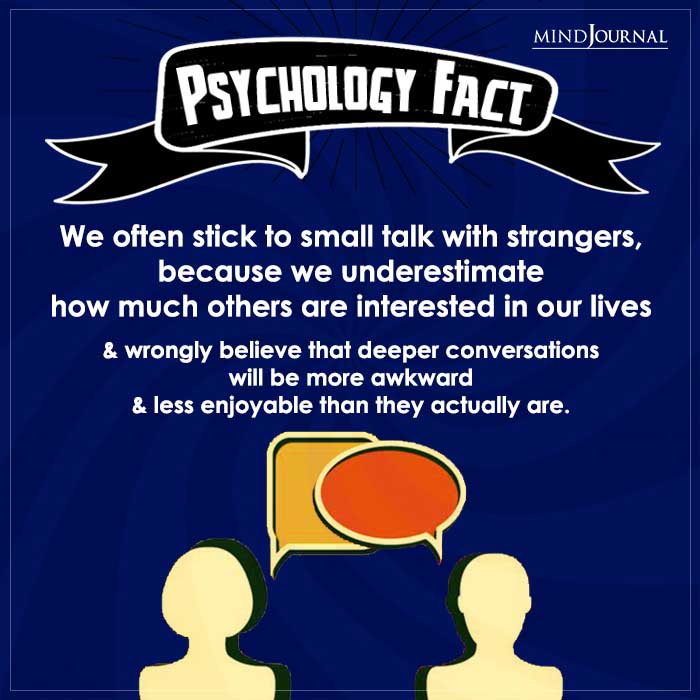
This makes you more relatable. Particularly if you are in a more senior role than your mentee, itโ€™s important for them to see you as someone like them if you want them to open up. During the pandemic, one CEO of a major accountancy firm delivered Town Halls to staff virtually from his spare bedroom. Several employees reported that it shifted their perception of him, and they had a stronger connection to what he shared with them as a result.

Opening the Door to Broader Conversations

The deeper trust and engagement established through personal connections helps ensure better mentoring conversations. There are three ways in which this happens:

Personal conversations can deepen understanding of the menteeโ€™s values, passions, and long-term goals. When you know what truly motivates your mentee beyond their professional ambitions, you can better tailor your guidance and advice, provide more personalised, relevant support aligned with their core aspirations. Additionally, it allows you to guide your mentee in a way that integrates both their professional and their personal values, leading to greater fulfillment and success.

The more you know about your mentee, the better able you will be to explore whether there are bigger, more personal challenges that are affecting any work problems they are bringing to the table. You will be in a better position to uncover hidden challenges, such as imposter syndrome, work-life balance, stress, or lack of confidence, and address issues at their very core.

Personal conversations create a safe, supportive environment that encourages your mentee to take risks and step out of their comfort zone. When your mentee feels secure sharing personal details without fear of judgment, they are more likely to embrace new challenges, explore creative solutions, and try things they might otherwise avoid.

The sense of emotional support fosters resilience and strengthens the relationship, helping both mentor and mentee thrive in navigating professional challenges together.
You Change the Way You Listen

When you feel a deeper connection to your mentee, you change the way you engage with and listen to them. You become more empathic and less judgmental, more committed to finding solutions, and more curious about what they are telling you.

That curiosity will lead to you asking more and better questions as you seek to truly get to the bottom of a challenge and find the right outcome for them, rather than jumping to conclusions and offering ideas that might have been the perfect fit for you but may not be as relevant to your mentee.

The more invested we are in someone, the more seriously we take the task of helping them to succeed. That mindset starts with making small talk and getting to know the person rather than just the job title or momentary challenge they face. As we truly connect, we truly engage.

Mentoring isnโ€™t just about answering someoneโ€™s questions. Investing time in personal conversations with a mentee, bringing a more holistic approach to mentoring, and blending personal and professional threadsโ€”all will create a foundation for richer, more satisfying, and more effective mentoring relationships.

Read More Here: 7 Everyday Habits That Make You Look Unprofessional At Work

Share your thoughts if you thing that chit chatting actually leads to something important, in the comments below!

Andy Lopata is a speaker, trainer, mentor and author on strategic professional relationships and the host of The Connected Leadership Podcast. His latest book is The Financial Times Guide to Mentoring.

References
Davis, Tchiki. (2024). Why You Should Engage in Small Talk. LinkedIn blog. https://www.linkedin.com/pulse/why-you-should-engage-small-talk-tchiki-โ€ฆ

Written by Andy Lopata
Originally appeared on Psychology Today

Podcast - podfollow.com/connectedleadership
Book - mentoring-guide.com

personal connection

Published On:

Last updated on:

Andy Lopata

Andy Lopata is a speaker, trainer, mentor and author on strategic professional relationships and the host of The Connected Leadership Podcast. His latest book is The Financial Times Guide to Mentoring.

Disclaimer: The informational content on The Minds Journal have been created and reviewed by qualified mental health professionals. They are intended solely for educational and self-awareness purposes and should not be used as a substitute for professional medical advice, diagnosis, or treatment. If you are experiencing emotional distress or have concerns about your mental health, please seek help from a licensed mental health professional or healthcare provider.

Leave a Comment

Today's Horoscope

Weekly Horoscope PART one

Weekly Horoscope 15 March to 21 March 2026

Read your zodiac signโ€™s prediction to understand the energy surrounding you and how to make the most of the days ahead!

Latest Quizzes

Interesting Finger Personality Test: 4 Finger Lines

Finger Personality Test: Join Your Fingers And Reveal A Hidden Personality Secret!

Look closely at your finger lines. Which pattern do you see? This personality test might surprise you!

Latest Quotes

How Men Show Love Through Actions (Male Psychology in Relationships)

How Men Show Love Through Actions (Male Psychology in Relationships)

Male psychology in relationships shows that men express love through presence, protection, and peace more than poetry. Decode his actions so you can see how deeply he actually cares.

Readers Blog

Caption This Image and Selected Wisepicks โ€“ 15 March 2026

Caption This Image and Selected Wisepicks โ€“ 15 March 2026

Ready to unleash your inner wordsmith? โœจ??โ˜บ๏ธ Nowโ€™s your chance to show off your wit, charm, or sheer genius in just one line! Whether itโ€™s laugh-out-loud funny or surprisingly deep, we want to hear it.Submit your funniest, wittiest, or most thought-provoking caption in the comments. Weโ€™ll pick 15+ winners to be featured on our website…

Latest Articles

How Small Talk Unlocks Big Potential? 2 Benefits

You might think small talk is just filler, but in mentoring, it helps you build trust and spark deeper, lasting connections. Let’s learn more about Andy Lopata’s take on this below!

Small talk isn’t purposeless; it opens the way for highly impactful mentoring.

Key points

  • Small talk plays a crucial role in mentoring by helping to establish personal connection and trust.
  • Personal conversations make mentors more relatable, encouraging mentees to open up and share honestly.
  • Deep trust and engagement lead to better mentoring conversations and uncover hidden challenges.
small talk
Making Small Talk

When somebody asks you to mentor them at work, it can be very tempting to get straight to the point. After all, youโ€™re busy, youโ€™re giving up valuable hours for no tangible reward, and thereโ€™s a clear objective youโ€™re working towards.

It is important to set clear objectives in mentoring relationships and remain focused on the goalโ€”and easy to dismiss small talk as superfluous. Nevertheless, small talk does play an important role in the mentoring process, and dismissing such pleasantries could negatively impact the effectiveness of your mentoring.

While one-off, single-solution mentoring conversations may well benefit from a strong focus in a tight time frame, longer-term mentoring relationships are more likely to flourish if the personal connection is deeper, trust is established, conversations become more wide-ranging, and both parties feel comfortable opening up and being transparent with each other.

Read More Here: Toxic Mentorship: Mentor or Tormentor?

How To Enhance Connections Through Small Talk

The Role of Personal Conversations in Developing Trust

A mentee needs to trust their mentor in several ways. While that mentorโ€™s position, expertise, or experience might provide reassurance about the solutions they are likely to offer, mentees still need confidence that their mentor has their interests at heart. Such confidence is vital when the mentor works in the same organisation and might have a direct or indirect influence on the mentee’s success.

Mentoring flourishes when mentees open up. If they feel that doing so might have negative repercussions, itโ€™s difficult for the mentor to help them work on impactful and long-lasting solutions. Mentees believe that they wonโ€™t be judged for what they share, that their conversations will remain confidential, and that the mentor is invested in their success.

Faith is easier when there is a human connection. Small talk helps establish that connection. When you both share what you do when not at work, you can find interests or lifestyles in common. When you both talk about personal challenges, whatโ€™s happening with your family or your health, for example, you humanise yourself.

This makes you more relatable. Particularly if you are in a more senior role than your mentee, itโ€™s important for them to see you as someone like them if you want them to open up. During the pandemic, one CEO of a major accountancy firm delivered Town Halls to staff virtually from his spare bedroom. Several employees reported that it shifted their perception of him, and they had a stronger connection to what he shared with them as a result.

Opening the Door to Broader Conversations

The deeper trust and engagement established through personal connections helps ensure better mentoring conversations. There are three ways in which this happens:

Personal conversations can deepen understanding of the menteeโ€™s values, passions, and long-term goals. When you know what truly motivates your mentee beyond their professional ambitions, you can better tailor your guidance and advice, provide more personalised, relevant support aligned with their core aspirations. Additionally, it allows you to guide your mentee in a way that integrates both their professional and their personal values, leading to greater fulfillment and success.

The more you know about your mentee, the better able you will be to explore whether there are bigger, more personal challenges that are affecting any work problems they are bringing to the table. You will be in a better position to uncover hidden challenges, such as imposter syndrome, work-life balance, stress, or lack of confidence, and address issues at their very core.

Personal conversations create a safe, supportive environment that encourages your mentee to take risks and step out of their comfort zone. When your mentee feels secure sharing personal details without fear of judgment, they are more likely to embrace new challenges, explore creative solutions, and try things they might otherwise avoid.

The sense of emotional support fosters resilience and strengthens the relationship, helping both mentor and mentee thrive in navigating professional challenges together.
You Change the Way You Listen

When you feel a deeper connection to your mentee, you change the way you engage with and listen to them. You become more empathic and less judgmental, more committed to finding solutions, and more curious about what they are telling you.

That curiosity will lead to you asking more and better questions as you seek to truly get to the bottom of a challenge and find the right outcome for them, rather than jumping to conclusions and offering ideas that might have been the perfect fit for you but may not be as relevant to your mentee.

The more invested we are in someone, the more seriously we take the task of helping them to succeed. That mindset starts with making small talk and getting to know the person rather than just the job title or momentary challenge they face. As we truly connect, we truly engage.

Mentoring isnโ€™t just about answering someoneโ€™s questions. Investing time in personal conversations with a mentee, bringing a more holistic approach to mentoring, and blending personal and professional threadsโ€”all will create a foundation for richer, more satisfying, and more effective mentoring relationships.

Read More Here: 7 Everyday Habits That Make You Look Unprofessional At Work

Share your thoughts if you thing that chit chatting actually leads to something important, in the comments below!

Andy Lopata is a speaker, trainer, mentor and author on strategic professional relationships and the host of The Connected Leadership Podcast. His latest book is The Financial Times Guide to Mentoring.

References
Davis, Tchiki. (2024). Why You Should Engage in Small Talk. LinkedIn blog. https://www.linkedin.com/pulse/why-you-should-engage-small-talk-tchiki-โ€ฆ

Written by Andy Lopata
Originally appeared on Psychology Today

Podcast - podfollow.com/connectedleadership
Book - mentoring-guide.com

personal connection

Published On:

Last updated on:

Andy Lopata

Andy Lopata is a speaker, trainer, mentor and author on strategic professional relationships and the host of The Connected Leadership Podcast. His latest book is The Financial Times Guide to Mentoring.

Leave a Comment

    Leave a Comment