From Parenthood to Selfhood: Conquering the Empty Nest Syndrome Blues

Author :

Empty nest syndrome can be challenging, but it also offers a unique opportunity for personal growth and renewed connection with your children and yourself. Here’s your roadmap to recovery.

In today’s fast-paced world, we frequently witness a bittersweet phenomenon where young adults unfurl their wings and venture forth into the wider world, leaving behind the secure cocoon of their childhood homes to pursue higher education and career opportunities.

While much attention is given to the myriad emotions children experience as they grapple with the day-to-day challenges of independent living, we often overlook those who remain behind in those homes, parents. As their offspring embark on their individual journeys, parents are confronted with a profound sense of sudden isolation.

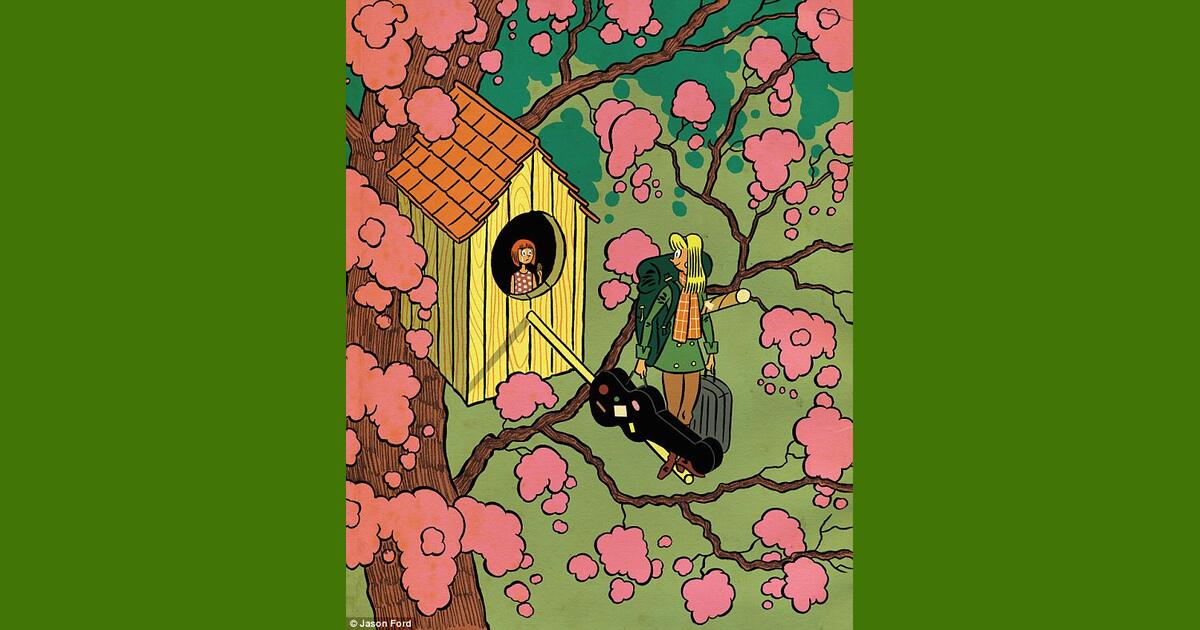
This emotional journey, commonly referred to as empty nest syndrome, is a complex blend of emotions, encompassing pride, longing, and loneliness, which parents experience when their once-vibrant homes fall silent and empty.

The term ‘Empty Nest’ was coined by Dorothy Canfield in her 1914 book, “Mothers and Children,” to describe the phase that coincides with the contraction stage of the family life cycle when children move out of their parental homes, either to different cities or countries, in pursuit of educational and professional endeavors.

Here’s how parents can recover from this emotional transition of the empty nest syndrome:

  1. Acknowledge Your Feelings: The first step is to acknowledge and accept your emotions. It’s okay to feel sadness, loss, and even anxiety. Understanding that these feelings are normal can be liberating.
  2. Communicate: Talk to your partner, friends, or a therapist about your feelings. Sharing your emotions can help you process them and receive support from others who may have experienced the same.
  3. Rediscover Yourself: Use this time to reconnect with your interests, hobbies, and passions that you may have set aside while raising your children. Rediscovering yourself can be a fulfilling experience.
  4. Set New Goals: Establish new goals and aspirations for this phase of your life. This could include career goals, personal development, or even travel plans. Having something to look forward to can be motivating.
  5. Strengthen Your Relationship: If you’re in a relationship, consider rekindling the connection with your partner. This is an opportunity to focus on each other and enjoy new experiences together.
  6. Stay Connected with Your Children: Just because they’ve left the nest doesn’t mean you can’t maintain a strong bond with your children. Regular phone calls, video chats, or planned visits can help you feel connected.
  7. Embrace Change: Understand that change is a part of life, and this transition represents a new chapter for both you and your children. Embrace the positive aspects of having an empty nest, such as newfound freedom and flexibility.

With the right mindset and support, you can navigate this journey and find new fulfillment in the empty nest phase of life.


Published On:

Last updated on:

Disclaimer: The informational content on The Minds Journal have been created and reviewed by qualified mental health professionals. They are intended solely for educational and self-awareness purposes and should not be used as a substitute for professional medical advice, diagnosis, or treatment. If you are experiencing emotional distress or have concerns about your mental health, please seek help from a licensed mental health professional or healthcare provider.

Leave a Comment

Today's Horoscope

Daily Horoscope 3 April 2026: Prediction for Zodiac Signs

Daily Horoscope 3 April, 2026: Prediction For Each Zodiac Sign

You may find yourself noticing patterns, emotions, or even small wins you overlooked before.

Latest Quizzes

What Kind Of Karma Do You Have? 3 Markings Reveal Truths

3 Types of Karma Exist — Which One Were You Born With? Look for These Palm Signs

Spot an M, Y, or X on your palm? This hidden sign reveals your karma type!

Latest Quotes

Real Signs Your Body Is Actually in Good Health: How to Know You’re Truly Well

Real Signs Your Body Is Actually in Good Health: How to Know You’re Truly Well

Real signs your body is healthy don’t always show up on lab reports. From good sleep and clear skin to regular digestion and a stable mood, your body is constantly sending quiet signals of wellness.

Readers Blog

Caption This Image and Selected Wisepicks – 29 March 2026

Caption This Image and Selected Wisepicks – 29 March 2026

Ready to unleash your inner wordsmith? ✨??☺️ Now’s your chance to show off your wit, charm, or sheer genius in just one line! Whether it’s laugh-out-loud funny or surprisingly deep, we want to hear it.Submit your funniest, wittiest, or most thought-provoking caption in the comments. We’ll pick 15+ winners to be featured on our website…

Latest Articles

Empty nest syndrome can be challenging, but it also offers a unique opportunity for personal growth and renewed connection with your children and yourself. Here’s your roadmap to recovery.

In today’s fast-paced world, we frequently witness a bittersweet phenomenon where young adults unfurl their wings and venture forth into the wider world, leaving behind the secure cocoon of their childhood homes to pursue higher education and career opportunities.

While much attention is given to the myriad emotions children experience as they grapple with the day-to-day challenges of independent living, we often overlook those who remain behind in those homes, parents. As their offspring embark on their individual journeys, parents are confronted with a profound sense of sudden isolation.

This emotional journey, commonly referred to as empty nest syndrome, is a complex blend of emotions, encompassing pride, longing, and loneliness, which parents experience when their once-vibrant homes fall silent and empty.

The term ‘Empty Nest’ was coined by Dorothy Canfield in her 1914 book, “Mothers and Children,” to describe the phase that coincides with the contraction stage of the family life cycle when children move out of their parental homes, either to different cities or countries, in pursuit of educational and professional endeavors.

Here’s how parents can recover from this emotional transition of the empty nest syndrome:

  1. Acknowledge Your Feelings: The first step is to acknowledge and accept your emotions. It’s okay to feel sadness, loss, and even anxiety. Understanding that these feelings are normal can be liberating.
  2. Communicate: Talk to your partner, friends, or a therapist about your feelings. Sharing your emotions can help you process them and receive support from others who may have experienced the same.
  3. Rediscover Yourself: Use this time to reconnect with your interests, hobbies, and passions that you may have set aside while raising your children. Rediscovering yourself can be a fulfilling experience.
  4. Set New Goals: Establish new goals and aspirations for this phase of your life. This could include career goals, personal development, or even travel plans. Having something to look forward to can be motivating.
  5. Strengthen Your Relationship: If you’re in a relationship, consider rekindling the connection with your partner. This is an opportunity to focus on each other and enjoy new experiences together.
  6. Stay Connected with Your Children: Just because they’ve left the nest doesn’t mean you can’t maintain a strong bond with your children. Regular phone calls, video chats, or planned visits can help you feel connected.
  7. Embrace Change: Understand that change is a part of life, and this transition represents a new chapter for both you and your children. Embrace the positive aspects of having an empty nest, such as newfound freedom and flexibility.

With the right mindset and support, you can navigate this journey and find new fulfillment in the empty nest phase of life.


Published On:

Last updated on:

Leave a Comment

    Leave a Comment