The Only 3 Diets That Really Work (According To Science And Sanity)

Author : Thomas Rutledge. PhD. ABPP

3 Diets That Really Work, According to Science And Sanity

Are you tired of crash diets that never seem to work? Well, they never will. So, itโ€™s time to try something different. These are the diets that really work – not for shedding pounds, but for clearing emotional clutter, boosting mental health, and improving your overall well-being.

KEY POINTS

  • Despite their successful sales, most people know that weight-loss diets don’t work long-term.
  • A diet can refer to more than cutting calories or junk food intake.
  • Research shows that reducing social media, negative thoughts, and toxic relationships is good for us.

Weโ€™ve all heard the hype: โ€œLose 10 pounds in 10 days!โ€ or โ€œDrop a dress size by next week!โ€ But letโ€™s be realโ€”how often do those diets actually stick?

Traditional weight loss plans sell by promising us quick fixes, but research shows that they rarely deliver lasting results.1 

The good news? There are other kinds of โ€œdietsโ€ that do workโ€”not for reducing pounds, but for ridding us of the emotional baggage that weighs down our quality of life.

In this post, weโ€™ll explore why conventional diets fail and introduce you to three unconventional diets that can transform your life for the better. No hype, no sales pitch. Just real and lasting results.

Ready to dig in?

Related: Beyond The Scale: Exploring Yo-Yo Dieting Meaning, Dangers And How To Stop

Why Traditional Diets Usually Disappoint

Letโ€™s start with the hard truth about weight loss diets. Research shows theyโ€™re more likely to leave you frustrated than fit. The highest-caliber clinical trialsshow that most people who lose weight on diets regain it within a few yearsโ€”sometimes even more than they lost.

Why do these diets fail? Theyโ€™re often too restrictive, making them tough to stick with long-term. Plus, they rarely tackle the deeper habits or emotional triggers behind overeating. Crash diets might shrink your waistline temporarily, but they donโ€™t change your mindset, your environment, or your lifestyle.

Hereโ€™s the silver lining: While weight loss diets may not hold up, other types of “diets” can create life-changing improvements. However, these novel “diets” arenโ€™t about counting calories or portion sizesโ€”theyโ€™re about curating what feeds your mind and soul.

Here are three diets that can help you ditch the scale and focus on emotional well-being instead.

The Three Diets That Really Work

1. The Social Media Diet. 

Picture this: youโ€™re scrolling through Instagram, and suddenly you feel anxious, envious, or just plain worthless. Sound familiar? Excessive social media use is like emotional junk foodโ€” a dopamine rush followed by a negativity crash.

Studies show, for example, that spending more than two hours a day on social media markedly increases your odds of experiencing mental health concerns.3 Itโ€™s a vicious cycle: The more you scroll, the worse you feel.

The fix? Go on a social media diet. Cut your screen timeโ€”start with a 30-minute daily limitโ€”and watch what happens. Research shows that reducing social media boosts your mood, improves sleep, and even sparks productivity.

A social media diet can be especially effective if you shift your remaining social media time to positive rather than negative or comparative content.4 

This diet is not about quitting cold turkey; it is a diet that lets you reclaim your mental space. Try it for a week, and you might be surprised how much lighter you feel.
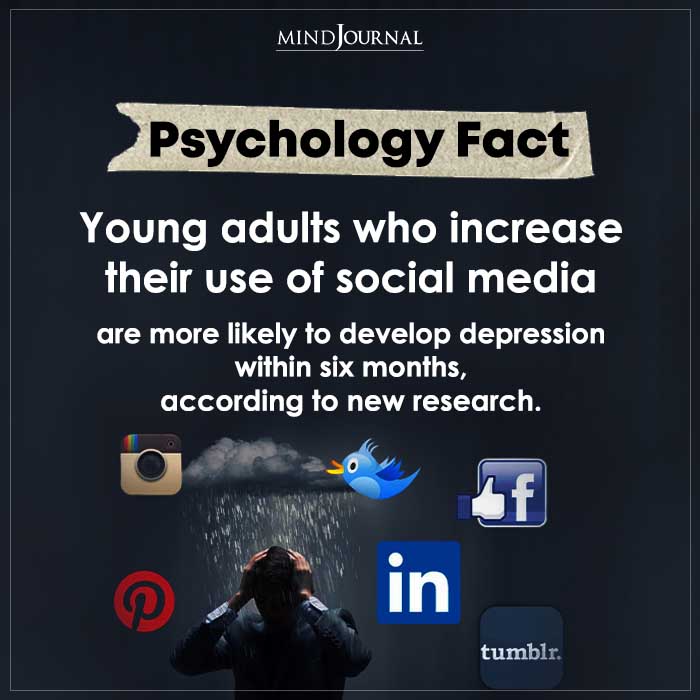
Social media diet - one of the diets that really work

2. The Mental Health Diet. 

Number two is the mental health diet, inspired by author and spiritual leader Emmet Fox.5 He famously said, โ€œYou are not what you think you are, but what you think, you are.โ€ Replay that sentence in your head a few times for full effect.

Negative, self-critical thoughtsโ€”like โ€œIโ€™m a failureโ€ or โ€œIโ€™ll never get it rightโ€โ€”are emotional fast food. They are intense and even feel true in the moment, but they leave you drained and discouraged. The mental health diet flips the script.

Step one: Catch those toxic thoughts. Step two: Replace them with something grounded and constructive, like โ€œLet’s try another wayโ€ or โ€œI can get through this.โ€ This isnโ€™t about plastering on a fake smileโ€”Foxโ€™s approach is about rewiring your mind for adaptability and resilience.

Over a surprisingly short time, cutting out the junk thoughts and adding in nutritious thoughts can lift your self-esteem and brighten your perspective. This is a diet that feeds your soul, one thought at a time.

Related: 5 Tips To Reframe Negative Thoughts To Positive Ones

3. The Toxic Relationship Diet. 

Finally, letโ€™s talk about the toxic relationship diet. You know those peopleโ€”the ones who criticize everything, always see the worst, and do their best to make you feel and think just like they do? Theyโ€™re emotional vampires, and spending too much time with them can poison your health and well-being.

Studies show that negative social interactions increase stress and lower self-esteem, while positive ones do the opposite. Based on research such as this, can you guess what the best predictor of happiness was in the epic 80-year Harvard study? Good relationships.6

So, hereโ€™s the plan: Reduce time with the naysayers and boost time with people who think abundance and see opportunity. Surround yourself with empowering, optimistic people who lift you up and inspire you to grow. This doesnโ€™t mean ghosting everyoneโ€”itโ€™s about being strategic with your social energy.

Swap a coffee date with a complainer for a chat with someone who celebrates your wins. The difference in your mood and confidence will speak for itself.

Conclusion

Traditional weight loss diets might let us down, but these three dietsโ€”the social media diet, the mental health diet, and the toxic relationship dietโ€”offer something better: lasting emotional growth. Unlike conventional diets, theyโ€™re not quick fixes; theyโ€™re longer-term lifestyle shifts that lighten your mental load and bring a better version of you to the surface.

If you haven’t already, start one of these diets this week, choosing the one that you believe will produce the best results. It won’t take long before you begin seeing the benefits.

References:

1. Ge L, Sadeghirad B, Ball GDC, da Costa BR, Hitchcock CL, Svendrovski A, Kiflen R, Quadri K, Kwon HY, Karamouzian M, Adams-Webber T, Ahmed W, Damanhoury S, Zeraatkar D, Nikolakopoulou A, Tsuyuki RT, Tian J, Yang K, Guyatt GH, Johnston BC. Comparison of dietary macronutrient patterns of 14 popular named dietary programmes for weight and cardiovascular risk factor reduction in adults: systematic review and network meta-analysis of randomised trials. BMJ. 2020 Apr 1;369:m696. doi: 10.1136/bmj.m696.

2. Gardner CD, Trepanowski JF, Del Gobbo LC, Hauser ME, Rigdon J, Ioannidis JP, et al. Effect of low-fat vs low-carbohydrate diet on 12-month weight loss in overweight adults and the association with genotype pattern or insulin secretion: the DIETFITS randomized clinical trial. JAMA. 2018;319:667โ€“79. doi: 10.1001/jama.2018.0245.

3. Riehm KE, Feder KA, Tormohlen KN, et al. Associations Between Time Spent Using Social Media and Internalizing and Externalizing Problems Among US Youth. JAMA Psychiatry. 2019;76(12):1266โ€“1273. doi:10.1001/jamapsychiatry.2019.2325

4. Burnell, K., Fox, K. A., Maheux, A. J., & Prinstein, M. J. (2024). Social media use and mental health: A review of the experimental literature and implications for clinicians. Current Treatment Options in Psychiatry, 11(1), 1โ€“16. https://doi.org/10.1007/s40501-024-00311-2

5. Fox, E. (2012). The Seven Day Mental Diet: How to Change Your Life in a Week. United States: www.bnpublishing.com.

6. Waldinger, R. J., & Schulz, M. S. (2023). The good life: Lessons from the worldโ€™s longest scientific study of happiness. Simon & Schuster.

Written By Thomas Rutledge Ph.D.
Originally Appeared On Psychology Today

Published On:

Last updated on:

Thomas Rutledge. PhD. ABPP

Thomas Rutledge, Ph.D., is a Professor-in-Residence in the Department of Psychiatry at UC San Diego. As a researcher, Dr. Rutledge has authored more than 100 journal articles and book chapters in scientific publications and been an investigator on dozens of federally funded grants from the National Institute of Health, Department of Defense, and Department of Veterans Affairs. His work focuses on behavioral and psychological treatments for chronic medical conditions such as heart disease, obesity, chronic pain, and diabetes. As a practitioner, Dr. Rutledge is a staff psychologist at the VA San Diego Healthcare System where he directs behavioral medicine services for Veterans receiving care in the weight control, diabetes, and pain clinics. He has also been board certified as a clinical health psychologist by the American Board of Professional Psychology (ABPP) since 2010.

Disclaimer: The informational content on The Minds Journal have been created and reviewed by qualified mental health professionals. They are intended solely for educational and self-awareness purposes and should not be used as a substitute for professional medical advice, diagnosis, or treatment. If you are experiencing emotional distress or have concerns about your mental health, please seek help from a licensed mental health professional or healthcare provider.

Leave a Comment

Today's Horoscope

Weekly Horoscope PART one

Weekly Horoscope 15 March to 21 March 2026

Read your zodiac signโ€™s prediction to understand the energy surrounding you and how to make the most of the days ahead!

Latest Quizzes

Interesting Finger Personality Test: 4 Finger Lines

Finger Personality Test: Join Your Fingers And Reveal A Hidden Personality Secret!

Look closely at your finger lines. Which pattern do you see? This personality test might surprise you!

Latest Quotes

How Men Show Love Through Actions (Male Psychology in Relationships)

How Men Show Love Through Actions (Male Psychology in Relationships)

Male psychology in relationships shows that men express love through presence, protection, and peace more than poetry. Decode his actions so you can see how deeply he actually cares.

Readers Blog

Caption This Image and Selected Wisepicks โ€“ 15 March 2026

Caption This Image and Selected Wisepicks โ€“ 15 March 2026

Ready to unleash your inner wordsmith? โœจ??โ˜บ๏ธ Nowโ€™s your chance to show off your wit, charm, or sheer genius in just one line! Whether itโ€™s laugh-out-loud funny or surprisingly deep, we want to hear it.Submit your funniest, wittiest, or most thought-provoking caption in the comments. Weโ€™ll pick 15+ winners to be featured on our website…

Latest Articles

3 Diets That Really Work, According to Science And Sanity

Are you tired of crash diets that never seem to work? Well, they never will. So, itโ€™s time to try something different. These are the diets that really work – not for shedding pounds, but for clearing emotional clutter, boosting mental health, and improving your overall well-being.

KEY POINTS

  • Despite their successful sales, most people know that weight-loss diets don’t work long-term.
  • A diet can refer to more than cutting calories or junk food intake.
  • Research shows that reducing social media, negative thoughts, and toxic relationships is good for us.

Weโ€™ve all heard the hype: โ€œLose 10 pounds in 10 days!โ€ or โ€œDrop a dress size by next week!โ€ But letโ€™s be realโ€”how often do those diets actually stick?

Traditional weight loss plans sell by promising us quick fixes, but research shows that they rarely deliver lasting results.1 

The good news? There are other kinds of โ€œdietsโ€ that do workโ€”not for reducing pounds, but for ridding us of the emotional baggage that weighs down our quality of life.

In this post, weโ€™ll explore why conventional diets fail and introduce you to three unconventional diets that can transform your life for the better. No hype, no sales pitch. Just real and lasting results.

Ready to dig in?

Related: Beyond The Scale: Exploring Yo-Yo Dieting Meaning, Dangers And How To Stop

Why Traditional Diets Usually Disappoint

Letโ€™s start with the hard truth about weight loss diets. Research shows theyโ€™re more likely to leave you frustrated than fit. The highest-caliber clinical trialsshow that most people who lose weight on diets regain it within a few yearsโ€”sometimes even more than they lost.

Why do these diets fail? Theyโ€™re often too restrictive, making them tough to stick with long-term. Plus, they rarely tackle the deeper habits or emotional triggers behind overeating. Crash diets might shrink your waistline temporarily, but they donโ€™t change your mindset, your environment, or your lifestyle.

Hereโ€™s the silver lining: While weight loss diets may not hold up, other types of “diets” can create life-changing improvements. However, these novel “diets” arenโ€™t about counting calories or portion sizesโ€”theyโ€™re about curating what feeds your mind and soul.

Here are three diets that can help you ditch the scale and focus on emotional well-being instead.

The Three Diets That Really Work

1. The Social Media Diet. 

Picture this: youโ€™re scrolling through Instagram, and suddenly you feel anxious, envious, or just plain worthless. Sound familiar? Excessive social media use is like emotional junk foodโ€” a dopamine rush followed by a negativity crash.

Studies show, for example, that spending more than two hours a day on social media markedly increases your odds of experiencing mental health concerns.3 Itโ€™s a vicious cycle: The more you scroll, the worse you feel.

The fix? Go on a social media diet. Cut your screen timeโ€”start with a 30-minute daily limitโ€”and watch what happens. Research shows that reducing social media boosts your mood, improves sleep, and even sparks productivity.

A social media diet can be especially effective if you shift your remaining social media time to positive rather than negative or comparative content.4 

This diet is not about quitting cold turkey; it is a diet that lets you reclaim your mental space. Try it for a week, and you might be surprised how much lighter you feel.

Social media diet - one of the diets that really work

2. The Mental Health Diet. 

Number two is the mental health diet, inspired by author and spiritual leader Emmet Fox.5 He famously said, โ€œYou are not what you think you are, but what you think, you are.โ€ Replay that sentence in your head a few times for full effect.

Negative, self-critical thoughtsโ€”like โ€œIโ€™m a failureโ€ or โ€œIโ€™ll never get it rightโ€โ€”are emotional fast food. They are intense and even feel true in the moment, but they leave you drained and discouraged. The mental health diet flips the script.

Step one: Catch those toxic thoughts. Step two: Replace them with something grounded and constructive, like โ€œLet’s try another wayโ€ or โ€œI can get through this.โ€ This isnโ€™t about plastering on a fake smileโ€”Foxโ€™s approach is about rewiring your mind for adaptability and resilience.

Over a surprisingly short time, cutting out the junk thoughts and adding in nutritious thoughts can lift your self-esteem and brighten your perspective. This is a diet that feeds your soul, one thought at a time.

Related: 5 Tips To Reframe Negative Thoughts To Positive Ones

3. The Toxic Relationship Diet. 

Finally, letโ€™s talk about the toxic relationship diet. You know those peopleโ€”the ones who criticize everything, always see the worst, and do their best to make you feel and think just like they do? Theyโ€™re emotional vampires, and spending too much time with them can poison your health and well-being.

Studies show that negative social interactions increase stress and lower self-esteem, while positive ones do the opposite. Based on research such as this, can you guess what the best predictor of happiness was in the epic 80-year Harvard study? Good relationships.6

So, hereโ€™s the plan: Reduce time with the naysayers and boost time with people who think abundance and see opportunity. Surround yourself with empowering, optimistic people who lift you up and inspire you to grow. This doesnโ€™t mean ghosting everyoneโ€”itโ€™s about being strategic with your social energy.

Swap a coffee date with a complainer for a chat with someone who celebrates your wins. The difference in your mood and confidence will speak for itself.

Conclusion

Traditional weight loss diets might let us down, but these three dietsโ€”the social media diet, the mental health diet, and the toxic relationship dietโ€”offer something better: lasting emotional growth. Unlike conventional diets, theyโ€™re not quick fixes; theyโ€™re longer-term lifestyle shifts that lighten your mental load and bring a better version of you to the surface.

If you haven’t already, start one of these diets this week, choosing the one that you believe will produce the best results. It won’t take long before you begin seeing the benefits.

References:

1. Ge L, Sadeghirad B, Ball GDC, da Costa BR, Hitchcock CL, Svendrovski A, Kiflen R, Quadri K, Kwon HY, Karamouzian M, Adams-Webber T, Ahmed W, Damanhoury S, Zeraatkar D, Nikolakopoulou A, Tsuyuki RT, Tian J, Yang K, Guyatt GH, Johnston BC. Comparison of dietary macronutrient patterns of 14 popular named dietary programmes for weight and cardiovascular risk factor reduction in adults: systematic review and network meta-analysis of randomised trials. BMJ. 2020 Apr 1;369:m696. doi: 10.1136/bmj.m696.

2. Gardner CD, Trepanowski JF, Del Gobbo LC, Hauser ME, Rigdon J, Ioannidis JP, et al. Effect of low-fat vs low-carbohydrate diet on 12-month weight loss in overweight adults and the association with genotype pattern or insulin secretion: the DIETFITS randomized clinical trial. JAMA. 2018;319:667โ€“79. doi: 10.1001/jama.2018.0245.

3. Riehm KE, Feder KA, Tormohlen KN, et al. Associations Between Time Spent Using Social Media and Internalizing and Externalizing Problems Among US Youth. JAMA Psychiatry. 2019;76(12):1266โ€“1273. doi:10.1001/jamapsychiatry.2019.2325

4. Burnell, K., Fox, K. A., Maheux, A. J., & Prinstein, M. J. (2024). Social media use and mental health: A review of the experimental literature and implications for clinicians. Current Treatment Options in Psychiatry, 11(1), 1โ€“16. https://doi.org/10.1007/s40501-024-00311-2

5. Fox, E. (2012). The Seven Day Mental Diet: How to Change Your Life in a Week. United States: www.bnpublishing.com.

6. Waldinger, R. J., & Schulz, M. S. (2023). The good life: Lessons from the worldโ€™s longest scientific study of happiness. Simon & Schuster.

Written By Thomas Rutledge Ph.D.
Originally Appeared On Psychology Today

Published On:

Last updated on:

Thomas Rutledge. PhD. ABPP

Thomas Rutledge, Ph.D., is a Professor-in-Residence in the Department of Psychiatry at UC San Diego. As a researcher, Dr. Rutledge has authored more than 100 journal articles and book chapters in scientific publications and been an investigator on dozens of federally funded grants from the National Institute of Health, Department of Defense, and Department of Veterans Affairs. His work focuses on behavioral and psychological treatments for chronic medical conditions such as heart disease, obesity, chronic pain, and diabetes. As a practitioner, Dr. Rutledge is a staff psychologist at the VA San Diego Healthcare System where he directs behavioral medicine services for Veterans receiving care in the weight control, diabetes, and pain clinics. He has also been board certified as a clinical health psychologist by the American Board of Professional Psychology (ABPP) since 2010.

Leave a Comment

    Leave a Comment