

Halloween might be over but many of us are still holding on to the flickering lights, intently looking at the growing darkness, and cherishing the lingering eerie vibes left by All Souls’ Day and Dia De Los Muertos festival. But do you know about any other festival of the dead?
Most of us know about the Day of the Dead festival. The global understanding of the Día de los Muertos, the Day of the Dead Mexican festival, was popularized by Disney–Pixar’s Coco (2017), a film that beautifully captured and portrayed the festival’s message, that remembrance keeps love eternal.
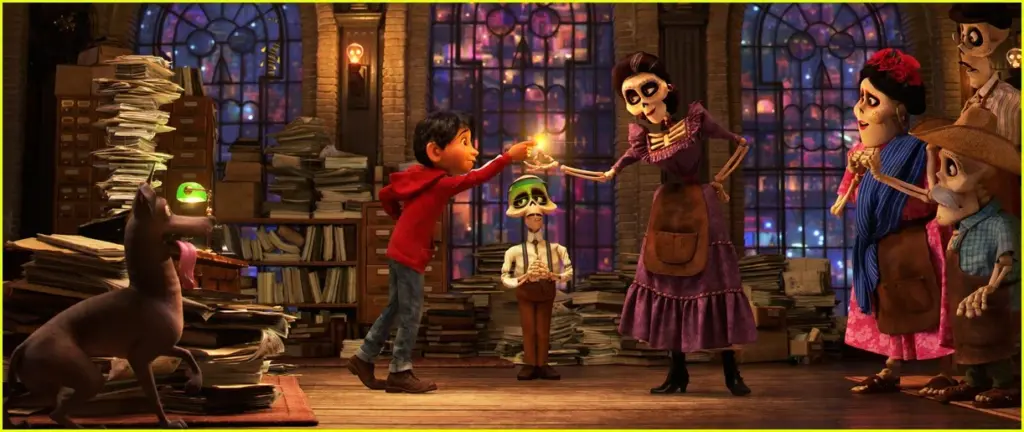
When we remember those who came before us, they live on in spirit. And this very belief and sentiment echoes in every festival of the dead celebrated around the world.
Because to be remembered is to never truly die.
As the final days of October fade into November, we take a pause before marching ahead toward the upcoming festivities, and look back … to honor and to cherish … those who left sooner than us.
Across continents and centuries, the departed are remembered, when families whisper prayers at the graveyard and when ghost stories are told, not to terrify, but to remind …. Death is not the end of our story.
From Mexico’s marigold-scented altars to Japan’s glowing lanterns, from Bengal’s night of 14 lamps to Ireland’s misty moors; every ancient culture, in its own hauntingly beautiful way, listens for whispers beyond the grave.
So, here are ten whispers beyond the grave. These are haunting legends and ghostly tales that inspire the Dia De Los Muertos and other festivals of the dead around the world.
Before we proceed, know that these are not macabre customs, but spiritual traditions that acknowledge that love, memory, and spirit never die.
Read: 5 Powerful Hoodoo Rituals to Attract Love, Luck, and Protection (No Experience Needed)
10+ Haunting Legends and Ghostly Tales That Inspire Dia De Los Muertos Festival and other Festivals of the Dead Around the World
1. The Weeping Woman of Mexico – La Llorona’s Eternal Cry
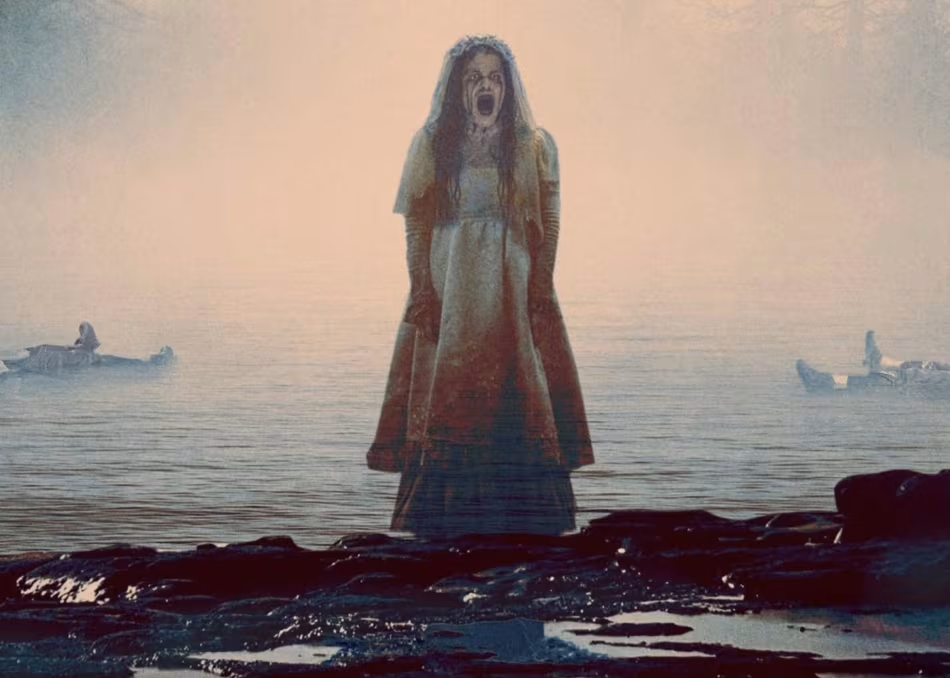
During the Mexican festival of the dead, Día de los Muertos (November 1 – 2), streets fill with music, laughter, and colors that celebrate life after death. Yet behind the joy lingers a mournful cry, that of La Llorona, the ghostly mother doomed to wander the Earth, searching for her lost children.
Legend says she drowned her children in a moment of grief and now weeps by the riverside, her cries drifting through the night. Telling the La Llorona ghost story, parents warn their children not to stray near the water.
But her story runs deeper than fear and embodies sorrow, repentance, and the unending pain of a woman.
During Día de los Muertos, when candles light the paths for spirits to return, even La Llorona is said to find her way home, forgiven, remembered, and free to rest for a night.
2. Japan’s Obon – When Spirits Dance by Lantern Light
In Japan, during the Obon Festival (Mid-August, in some regions Mid-July), families hang paper lanterns to guide ancestral spirits home and perform the Bon Odori, a traditional dance said to welcome the souls with joy.
According to legend, a monk named Mokuren once saw his late mother suffering in the afterlife. Moved by compassion, he offered food and prayers, releasing her spirit, and inspiring the first Obon celebration.
Obon is a homecoming of souls and every flickering lantern is a message that says, “You are not forgotten.”
3. The Hungry Ghosts of China – Spirits Seeking Sustenance
In China’s Ghost Month (their 7th lunar month), ancient superstition warns that the gates of the underworld open, allowing spirits to wander among the living. Offerings of food, incense, and paper effigies are made to appease these “hungry ghosts,” especially those forgotten by their descendants.
The ghost festival (15th day of the 7th lunar month) is an eerie image to think of, unseen souls roaming for attention. But at its heart, the Chinese ghost festival speaks to a universal human fear not of death itself, but of being unremembered.
The Hungry Ghost Festival reminds us that to feed the soul of the dead is also to nourish the soul of the living.
4. The Dancing Ancestors of Famadihana – Madagascar
In Madagascar, during Famadihana (Every five to seven years, typically June – September), families lovingly exhume the remains of their ancestors, wrap them in fresh silk shrouds, and dance with them to the rhythm of drums and joy.

To outsiders, it may seem macabre. But to the Malagasy, it is a sacred reunion. They believe that the dead bless the living when they are celebrated, not mourned.
It’s the same belief that fuels Dia de los Muertos and every festival of the dead, that love transcends decay, that remembrance is resurrection. The dance is a promise that they still move within us.
5. Ireland’s Samhain – The Celtic Origin of Halloween
As our readers, you must be aware of the origins of Halloween. Long before pumpkins and trick-or-treating, there was the ancient Celtic festival of Samhain.
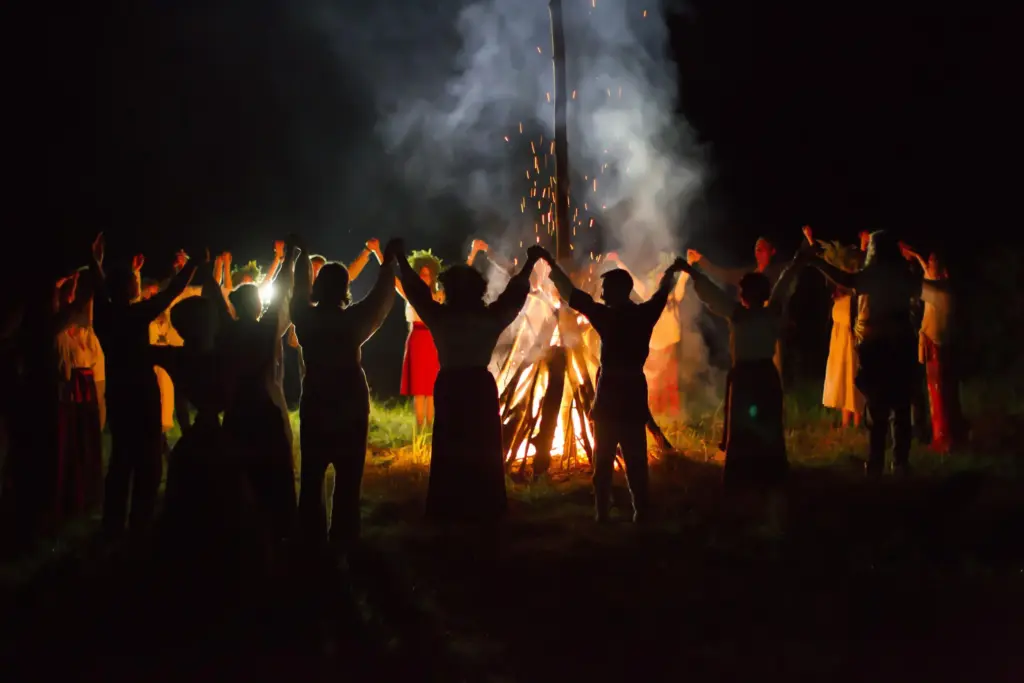
The Celts celebrated Samhain, marking the end of the harvest and the beginning of the darker half of the year. They believed the veil between worlds grew thin, allowing spirits to walk among them.
Fires were lit to ward off malevolent beings, while offerings were left for friendly and wandering spirits. People disguised themselves to fool the trickster spirits.
This Pagan and Celtic celebration of Samhain eventually evolved into Halloween.
One legend speaks of the Lady in the Mist, a spirit who guided lost souls to peace.
Samhain origins of Halloween reminds of a sacred acknowledgment of the invisible threads that bind the living and the dead.
6. Bengal’s Bhoot Chaturdashi – The Night of Ghosts
On the eve of Kali Pujo (New Moon night of Goddess Kali, mostly falls in October) in Bengal, India, fourteen earthen lamps are lit in every dark corner of the house.

Known as Bhoot (Ghost/Past) Chaturdashi (14th night), the night belongs to the spirits of the past fourteen generations.
Families prepare a dish of fourteen different leafy vegetables to honor their ancestral spirits, and it is said that the flickering flames help guide benevolent ghosts home while keeping dark energies away.
Undoubtedly, the Bhoot Chaturdashi significance is a regional echo of the global Festival of the Dead.
Read: Bhoot Chaturdashi: 5 Spooky Things About The Indian Halloween You’ve Never Heard Of
Some Other Festivals That Whisper the Same Truth
7. Wag Festival (Egypt): In ancient Egypt, people floated small boats on the Nile to honor Osiris and their ancestors in the Month of Thout (August), symbolizing the soul’s sacred journey across the waters to the afterlife of Aaru.
8. The Three Nights of the Dead (Europe): A ritualistic remembrance of the Great Flood, (Late October – early November) where each night honored the lost, the saved, and the reborn; a poetic reflection of life’s endless cycle.
9. Pitru Paksha Rituals (India): A 15-day observance during the waning moon cycle (Hindu lunar month of Bhadrapada, usually September), devoted to ancestors, where families offer food, prayers, and gratitude, believing their forefathers return to bless and guide them.
10. Gai Jatra (Nepal): Known as the “Festival of Cows,” (Hindu month of Bhadra, August – September) it honors those who passed away that year, with families parading decorated cows through the streets to guide souls to the afterlife..
11. All Souls’ Day (Philippines): (On November 2) Families gather in cemeteries, lighting candles, sharing food, and spending the night with their ancestors, transforming grief into communion and celebration.
One Whisper Beyond the Grave: Many Voices and Many Stories
From the Nile to Nagasaki, from Bengal to Oaxaca, every whisper tells the same story; the dead are not gone, they are simply unseen.
So, every Festival of the Dead, whether it’s Dia de los Muertos festival, Obon, All Souls’ Day, or the Wag Festival, is a bridge between realms, built on traditions and customs. And when we listen closely, we can still hear the whisper beyond the grave – “I am still here.”
Frequently Asked Questions (FAQs)
When is the day of the dead?
The Day of the Dead, or Día de los Muertos, is traditionally observed from October 31 to November 2. While November 1 is dedicated to honoring deceased children (Día de los Angelitos), and November 2 remembers departed adults, preparations often begin on the night of October 31 with families setting up altars and decorating graves. In some regions of Mexico, the celebration can extend beyond these dates, blending local customs and ancestral traditions that welcome spirits back to the world of the living.
What is Ghost Month?
Ghost Month is the seventh month of the traditional Chinese lunar calendar, a time believed to blur the line between the living and the spirit world. According to ancient tradition, the gates of the afterlife open during this period, allowing ancestors and wandering souls to visit the Earth. Families honor these spirits by lighting incense, preparing food offerings, and burning symbolic paper items. The purpose is not fear, but respect — a way of remembering loved ones and keeping harmony between both realms.
When is Chinese Ghost Month 2025?
In 2025, Ghost Month will begin on August 23 and end on September 21. The most significant day of the period, known as the Hungry Ghost Festival, falls on September 6, 2025. On this day, many people hold rituals, burn incense, and make offerings to honor ancestors and pacify restless spirits. It’s a time deeply rooted in gratitude, remembrance, and cultural reverence for the unseen world.
When is All Souls’ Day?
All Souls’ Day is observed every year on November 2, following All Saints’ Day. It is a Christian tradition dedicated to remembering and praying for those who have passed away. In many communities, people visit cemeteries, light candles, and reflect on the eternal connection between life and death. While it’s not a public holiday in the United States, many observe it as a quiet day of remembrance and spiritual reflection.


Leave a Comment