The Hidden Link Between Chronic Sadness and Narcissistic Abuse

Author : Alexandra Hall

Chronic Sadness And Narcissistic Abuse: The Hidden Link

Chronic sadness and narcissistic abuse tend to be knotted together in ways that are impossible to untangle. When someone chips away at your confidence bit by bit, messes with your emotions, and forces you to doubt your own reality.

The sadness that follows isn’t temporary, it becomes a state of living. That’s the bitter reality of emotional trauma from narcissistic abuse: it stays with you, it changes the way you see yourself, and it invades every part of your life.

However, this is the thing – you don’t have to remain trapped in this depression. Healing from narcissistic abuse is entirely possible, and reclaiming your mental health after narcissistic abuse can be the most powerful comeback story of your life.

Related: 8 Emotional Scars That Point To Trauma From Narcissistic Abuse

What Is Narcissistic Abuse, Really?

When you say “abuse,” most people think of screaming, name-calling, or physical violence. But narcissistic abuse tends to be more subtle, and in some ways, more terrifying.

It’s a kind of psychological manipulation that causes you to question your thoughts, feelings, and even your memories.

For instance, take gaslighting (“You’re imagining things”), love-bombing and withdrawal, or constantly criticizing your every move. This becomes a pattern over time that leaves you feeling emotionally drained and questioning your worth.

The world may not be able to see the bruises, but the damage goes deep within. Thatโ€™s why so many survivors describe it as trauma from narcissistic abuse – because itโ€™s not just painful, itโ€™s life-altering.

Chronic sadness and narcissistic abuse

The Link Between Chronic Sadness And Narcissistic Abuse

1. Loss of Identity

As time goes on, you forget who you really are. Prior to the abuse, perhaps you were cheerful, self-assured, creative. But constant criticism and manipulation has slowly turned you into a person who feels invisible all the time.

You no longer recognize yourself in the mirror because the narcissist has been telling you who you “should” be for so long. That erasure of self is crushing, and it creates a deep, chronic sadness within you.

2. Hopelessness

One of the most difficult things about dealing with narcissistic abuse is the fact that you start to feel like there’s no escape. With all the gaslighting and manipulation being thrown at you, you tell yourself, “Maybe this is just my life.”

Hopelessness is a heavy anchor, and it makes you believe that freedom or happiness isn’t for you. And when all your hope is gone, the only thing that’s left behind is sadness and despair.

3. Isolation

Narcissists also crave control, and the simplest way to do that is to isolate you from your close ones. Slowly, you find yourself with less friends, less family contact, and less people to speak to.

This forced isolation intensifies your sadness, and makes you feel like you are carrying your pain all alone.

4. Emotional Exhaustion

The emotional rollercoaster – highs when the narcissist is โ€œkindโ€ and crushing lows when they lash out – keeps your nervous system constantly on edge. Living in fight-or-flight mode drains your energy and leaves you feeling empty inside.

That exhaustion doesnโ€™t just make you tired; it creates a sadness that feels bone-deep, like youโ€™ll never have the energy to feel joy again.

And thatโ€™s the cruel reality: this isnโ€™t just about being โ€œdown in the dumps.โ€ This is emotional trauma from narcissistic abuse planting itself inside you and refusing to leave without intentional healing.

The Long-Term Impact of Trauma From Narcissistic Abuse

The damage from narcissistic abuse doesn’t vanish magically once you leave them. Actually, most survivors report that the most difficult time comes later, when they realize how deeply the abuse altered their mind and feelings.

This is how it persists:

1. Trust Issues That Sabotage Relationships

When someone you trusted with all your heart used love as a weapon, is it really any surprise that future relationships feel threatening? You may wonder what everyone’s motives are, always expecting the other shoe to fall.

Even if you are in a secure, loving relationship, your mind may constantly tell you, “What if they hurt me too?” That lack of trust can keep you trapped in sadness, because intimacy feels impossible.

Related: Brain Fog After Narcissistic Abuse? 8 Ways Narcissists Can Muddle Your Brain

2. An Inner Critic That Sounds Like Them

Even when they are no longer around, the narcissist’s voice tends to remain rent-free in your head. Whenever you do something wrong or doubt yourself, you can hear their criticism ringing in your head.

This inner critic is one of the most cruel leftovers from narcissistic abuse, and it leaves you feeling like you are still trapped – even when you are not. And that is emotional trauma from narcissistic abuse in a nutshell.

3. Chronic Anxiety and Fear of Rejection

Narcissistic abuse conditions you to expect punishment for speaking up, disagreeing, or even existing โ€œwrong.โ€ So later, in work, friendships, or love, you might feel constant anxiety.

You are always bracing for rejection or criticism, even when none is coming. That anxiety feeds sadness, because you never truly feel safe.

4. Distorted Sense of Self-Worth

Years of being told you are not enough eventually sink in. You start to measure your worth by impossible standards, believing youโ€™re broken or unlovable.

This distorted self-image doesnโ€™t just hurt your confidence, it feeds a cycle of sadness that makes every day feel like a battle.

Living with these impacts is like carrying an emotional backpack full of bricks. Sure, you can move forward, but every step feels heavier than it should. Thatโ€™s why addressing mental health after narcissistic abuse is so critical.

It helps you understand the relationship between chronic sadness and narcissistic abuse.
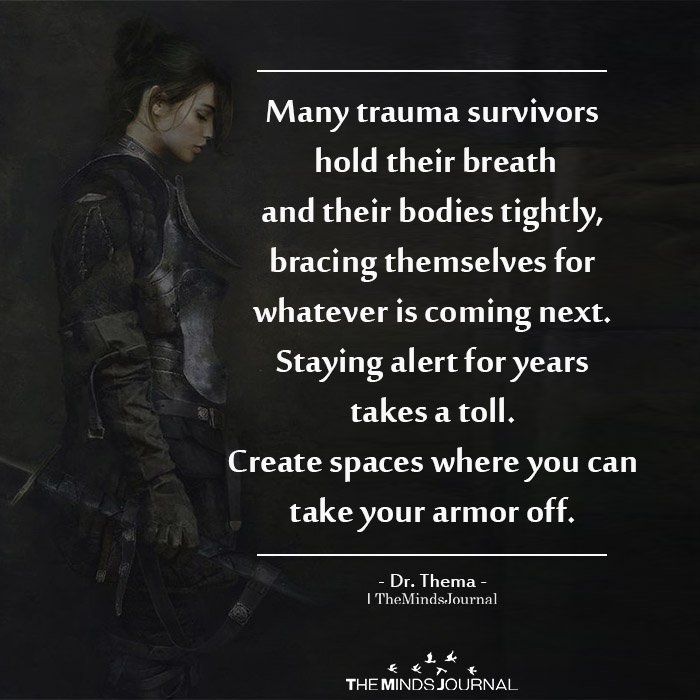
Chronic sadness and narcissistic abuse

Healing From Narcissistic Abuse: Reclaiming Your Power

Here’s the good news: although narcissistic abuse leaves a lot of damage and scars, it does not have to dictate your future. Healing from narcissistic abuse may take time, but it is definitely possible. It is like rebuilding emotional muscles after years of strain.

  • Therapy help you in unpacking the trauma: A trauma-informed therapist can help you to process the abuse you went through and reclaim your self-worth.
  • Boundaries are your armor: Learning to say โ€œnoโ€ and protecting your energy is key to regaining control over your life.
  • Reconnect with joy: Even small things, like music, art, laughter can remind your brain that happiness is possible.
  • Surround yourself with safe people: Whether itโ€™s support groups, close friends, or online communities, being understood is healing.
  • Be gentle with yourself: Recovery isnโ€™t linear. Some days you will feel strong, other days fragile, and thatโ€™s perfectly okay.

Every step you take toward healing from narcissistic abuse chips away at the sadness and proves you are stronger than the pain that tried to break you.

Bottomline

Chronic sadness and narcissistic abuse can feel like a life sentence, but it doesnโ€™t have to be. Yes, the trauma from narcissistic abuse is real, and yes, the emotional trauma from narcissistic abuse can leave lasting wounds.

Related: How To Explain The Effect of Narcissistic Abuse On Me?

But remember this, you are not broken – you are healing. Your mental health after narcissistic abuse is not just about surviving – it’s about thriving, finding happiness again, and living a life where sadness no longer calls the shots.


trauma from narcissistic abuse

Published On:

Last updated on:

Alexandra Hall

Iโ€™m Alexandra Hall, a journalism grad whoโ€™s endlessly curious about the inner workings of the human heart and mind. I write about relationships, psychology, spirituality, mental health, and books, weaving insight with empathy. If itโ€™s raw, real, and thought-provoking, itโ€™s probably on my radar.

Disclaimer: The informational content on The Minds Journal have been created and reviewed by qualified mental health professionals. They are intended solely for educational and self-awareness purposes and should not be used as a substitute for professional medical advice, diagnosis, or treatment. If you are experiencing emotional distress or have concerns about your mental health, please seek help from a licensed mental health professional or healthcare provider.

Leave a Comment

Today's Horoscope

Weekly Horoscope 21 March to 28 March 2026

Weekly Horoscope 21 March to 28 March 2026

Ready to see what this week will bring for your zodiac sign? Check out your weekly horoscope below!

Latest Quizzes

Free Vase Personality Test: 3 Options; Choose A Vase

Vase Personality Test: Your First Pick Reveals Your Main Character Trait

Take a moment, look closely, and pick an object that represents you.

Latest Quotes

Weโ€™re Not Antisocial: Weโ€™re Craving True Belonging, Not Shallow Interactions

Weโ€™re Not Antisocial: Weโ€™re Craving True Belonging, Not Shallow Interactions

Weโ€™re not antisocial; weโ€™re just tired of shallow interactions. When youโ€™re craving belonging, small talk feels empty, and your mind longs for deeper, authentic connection that truly sees you.

Readers Blog

Caption This Image and Selected Wisepicks โ€“ 22 March 2026

Caption This Image and Selected Wisepicks โ€“ 22 March 2026

Ready to unleash your inner wordsmith? โœจ??โ˜บ๏ธ Nowโ€™s your chance to show off your wit, charm, or sheer genius in just one line! Whether itโ€™s laugh-out-loud funny or surprisingly deep, we want to hear it.Submit your funniest, wittiest, or most thought-provoking caption in the comments. Weโ€™ll pick 15+ winners to be featured on our website…

Latest Articles

Chronic Sadness And Narcissistic Abuse: The Hidden Link

Chronic sadness and narcissistic abuse tend to be knotted together in ways that are impossible to untangle. When someone chips away at your confidence bit by bit, messes with your emotions, and forces you to doubt your own reality.

The sadness that follows isn’t temporary, it becomes a state of living. That’s the bitter reality of emotional trauma from narcissistic abuse: it stays with you, it changes the way you see yourself, and it invades every part of your life.

However, this is the thing – you don’t have to remain trapped in this depression. Healing from narcissistic abuse is entirely possible, and reclaiming your mental health after narcissistic abuse can be the most powerful comeback story of your life.

Related: 8 Emotional Scars That Point To Trauma From Narcissistic Abuse

What Is Narcissistic Abuse, Really?

When you say “abuse,” most people think of screaming, name-calling, or physical violence. But narcissistic abuse tends to be more subtle, and in some ways, more terrifying.

It’s a kind of psychological manipulation that causes you to question your thoughts, feelings, and even your memories.

For instance, take gaslighting (“You’re imagining things”), love-bombing and withdrawal, or constantly criticizing your every move. This becomes a pattern over time that leaves you feeling emotionally drained and questioning your worth.

The world may not be able to see the bruises, but the damage goes deep within. Thatโ€™s why so many survivors describe it as trauma from narcissistic abuse – because itโ€™s not just painful, itโ€™s life-altering.

Chronic sadness and narcissistic abuse

The Link Between Chronic Sadness And Narcissistic Abuse

1. Loss of Identity

As time goes on, you forget who you really are. Prior to the abuse, perhaps you were cheerful, self-assured, creative. But constant criticism and manipulation has slowly turned you into a person who feels invisible all the time.

You no longer recognize yourself in the mirror because the narcissist has been telling you who you “should” be for so long. That erasure of self is crushing, and it creates a deep, chronic sadness within you.

2. Hopelessness

One of the most difficult things about dealing with narcissistic abuse is the fact that you start to feel like there’s no escape. With all the gaslighting and manipulation being thrown at you, you tell yourself, “Maybe this is just my life.”

Hopelessness is a heavy anchor, and it makes you believe that freedom or happiness isn’t for you. And when all your hope is gone, the only thing that’s left behind is sadness and despair.

3. Isolation

Narcissists also crave control, and the simplest way to do that is to isolate you from your close ones. Slowly, you find yourself with less friends, less family contact, and less people to speak to.

This forced isolation intensifies your sadness, and makes you feel like you are carrying your pain all alone.

4. Emotional Exhaustion

The emotional rollercoaster – highs when the narcissist is โ€œkindโ€ and crushing lows when they lash out – keeps your nervous system constantly on edge. Living in fight-or-flight mode drains your energy and leaves you feeling empty inside.

That exhaustion doesnโ€™t just make you tired; it creates a sadness that feels bone-deep, like youโ€™ll never have the energy to feel joy again.

And thatโ€™s the cruel reality: this isnโ€™t just about being โ€œdown in the dumps.โ€ This is emotional trauma from narcissistic abuse planting itself inside you and refusing to leave without intentional healing.

The Long-Term Impact of Trauma From Narcissistic Abuse

The damage from narcissistic abuse doesn’t vanish magically once you leave them. Actually, most survivors report that the most difficult time comes later, when they realize how deeply the abuse altered their mind and feelings.

This is how it persists:

1. Trust Issues That Sabotage Relationships

When someone you trusted with all your heart used love as a weapon, is it really any surprise that future relationships feel threatening? You may wonder what everyone’s motives are, always expecting the other shoe to fall.

Even if you are in a secure, loving relationship, your mind may constantly tell you, “What if they hurt me too?” That lack of trust can keep you trapped in sadness, because intimacy feels impossible.

Related: Brain Fog After Narcissistic Abuse? 8 Ways Narcissists Can Muddle Your Brain

2. An Inner Critic That Sounds Like Them

Even when they are no longer around, the narcissist’s voice tends to remain rent-free in your head. Whenever you do something wrong or doubt yourself, you can hear their criticism ringing in your head.

This inner critic is one of the most cruel leftovers from narcissistic abuse, and it leaves you feeling like you are still trapped – even when you are not. And that is emotional trauma from narcissistic abuse in a nutshell.

3. Chronic Anxiety and Fear of Rejection

Narcissistic abuse conditions you to expect punishment for speaking up, disagreeing, or even existing โ€œwrong.โ€ So later, in work, friendships, or love, you might feel constant anxiety.

You are always bracing for rejection or criticism, even when none is coming. That anxiety feeds sadness, because you never truly feel safe.

4. Distorted Sense of Self-Worth

Years of being told you are not enough eventually sink in. You start to measure your worth by impossible standards, believing youโ€™re broken or unlovable.

This distorted self-image doesnโ€™t just hurt your confidence, it feeds a cycle of sadness that makes every day feel like a battle.

Living with these impacts is like carrying an emotional backpack full of bricks. Sure, you can move forward, but every step feels heavier than it should. Thatโ€™s why addressing mental health after narcissistic abuse is so critical.

It helps you understand the relationship between chronic sadness and narcissistic abuse.

Chronic sadness and narcissistic abuse

Healing From Narcissistic Abuse: Reclaiming Your Power

Here’s the good news: although narcissistic abuse leaves a lot of damage and scars, it does not have to dictate your future. Healing from narcissistic abuse may take time, but it is definitely possible. It is like rebuilding emotional muscles after years of strain.

  • Therapy help you in unpacking the trauma: A trauma-informed therapist can help you to process the abuse you went through and reclaim your self-worth.
  • Boundaries are your armor: Learning to say โ€œnoโ€ and protecting your energy is key to regaining control over your life.
  • Reconnect with joy: Even small things, like music, art, laughter can remind your brain that happiness is possible.
  • Surround yourself with safe people: Whether itโ€™s support groups, close friends, or online communities, being understood is healing.
  • Be gentle with yourself: Recovery isnโ€™t linear. Some days you will feel strong, other days fragile, and thatโ€™s perfectly okay.

Every step you take toward healing from narcissistic abuse chips away at the sadness and proves you are stronger than the pain that tried to break you.

Bottomline

Chronic sadness and narcissistic abuse can feel like a life sentence, but it doesnโ€™t have to be. Yes, the trauma from narcissistic abuse is real, and yes, the emotional trauma from narcissistic abuse can leave lasting wounds.

Related: How To Explain The Effect of Narcissistic Abuse On Me?

But remember this, you are not broken – you are healing. Your mental health after narcissistic abuse is not just about surviving – it’s about thriving, finding happiness again, and living a life where sadness no longer calls the shots.


trauma from narcissistic abuse

Published On:

Last updated on:

Alexandra Hall

Iโ€™m Alexandra Hall, a journalism grad whoโ€™s endlessly curious about the inner workings of the human heart and mind. I write about relationships, psychology, spirituality, mental health, and books, weaving insight with empathy. If itโ€™s raw, real, and thought-provoking, itโ€™s probably on my radar.

Leave a Comment

    Leave a Comment