5 Things That Usually Signal the Failure of a Relationship

Author : Lindsay Weisner Psy.D

Failure of a Relationship: 5 Signs Backed by Psychology

The failure of a relationship rarely comes out of nowhere. There are clear patterns behind why relationships fail, and psychology offers solid answers to what causes relationships to fail long before things officially end.

From subtle shifts in commitment to attachment-driven behaviors, there are always early signs a relationship is failing. These research-backed breakup predictors can help you recognize what’s happening before the damage becomes irreversible.

KEY POINTS

  • The average length of a relationship before a breakup is a little over three years.
  • Lower levels of commitment tend to predict a greater likelihood of breakup.
  • Those with avoidant attachment will often initiate a break-up if the relationship impedes upon their autonomy.
  • Successful online dating stories increases the likelihood of breakup because there may be alternative options.

Yup, breakups are most likely to occur on Mondays, probably partially because the stress of the workweek often drives people to the breaking point of ending a relationship.

The science behind the make-ups and breakups of relationships is more predictable than most of us give it credit for.

These five tips can help you see the future of your love life before it wreaks havoc on the rest of your life.

Related: 4 Ways to Unknowingly Ruin Your Relationship

5 Things That Can Predict the Failure of a Relationship

1. The more exes you have, the more likely you are to initiate a breakup. 

Dating is a skill like any other, and being able to read the room in your romantic life is based, in part, on previous experiences with successful and nonsuccessful relationships.

According to Worldmetrics, the average length of a relationship before a breakup is a little over three years.

Imagine this period of time as getting to know your newly beloved and comparing your current love to your past love, especially when the relationship has bumps and bruises:

  • “I remember when Anna said something similar. It reminded me of…”
  • “This reminds me too much of Blake. I wonder if he puts his needs over mine like Blake did.”

Over time, the future of your relationship will become a lot clearer with the romantic experiences you have under your belt than it would have without them.

2. The better your relationship skillset, the less likely you are to break up. 

Long-term relationships require skills to navigate the rocky roads. Better communication, conflict resolution, emotional regulation, empathy, adaptability, and investment in the relationship have all been found to increase the length of a romantic relationship—which means that these skills decrease the likelihood of an impending breakup.

3. Lower levels of commitment predict a greater chance of breakup. 

Higher levels of commitment generally predict a lower likelihood of breakup, probably in part because it is more difficult to extricate yourself from an engagement than from someone you were merely dating.

Casual dating relationships or those with undefined labels and parameters tend to be more easy come, easy go in the dating world.
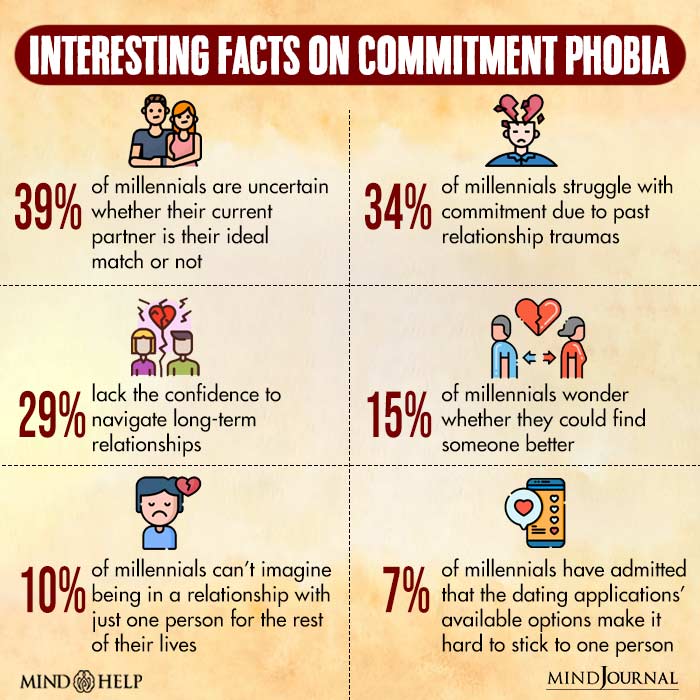
Commitment phobia can be a big trigger for failure of a relationship

4. Attachment styles. 

Attachment styles—also known as how your relationship with your primary caregivers in the past affects your current and future romantic relations—also contribute to the answer of who is more likely to break up with whom.

Those with anxious attachment often experienced lots of free-floating anxiety around the consistency and dependability of their caregiver. Often, they will carry that lack of being able to depend on someone feeling with them into adulthood.

This relationship insecurity then gets projected onto their partner, causing an additional level of relationship distress. But their fear of abandonment makes them unlikely to initiate a breakup.

On the opposite side of this spectrum, we have those with avoidant attachment. These individuals found that their youth was best spent without the interference of caregivers. Adults in their childhood often weren’t helpful or weren’t around when they needed them.

Related: 9 Emotions That Destroy Relationships, Backed By Psychology

Individuals with an avoidant attachment will likely initiate a breakup if the relationship is too demanding on their autonomy.

How will you know you are dating someone with avoidant attachment? Your partner isn’t one for group projects at home or work. The idea of working on a slow, tedious puzzle together—blech! Their so-called opinions are always facts first, feelings…whenever. Or never if they can get away with it.

In your relationship, they won’t tell you no if you suggest something they don’t like. Instead, they downplay the importance of whatever heavy conversation you want to initiate or stall for more time when weighing in on big, scary relationship-y conversations.

5. Perceived alternatives can increase the chances of someone cheating on or breaking up with a partner. 

The online dating world opened up the possibility of increasing the likelihood of finding a suitable new partner—and a decent one at that.

And the idea of successful online dating leads to the illusion that the world is your oyster when it comes to available partners who might be perfect for you.

It should come as no surprise that the fact that people are successful in meeting their partners through online dating apps increases the common belief that there are plenty of better-looking, more reasonable, financially savvy, good-looking fish in the sea.

And this belief system—regardless of whether it is actually true or not—increases the likelihood of cheating or breaking up with your partner.

After all, are you really losing out on all that much if you can find a better partner with a touch of your phone or keyboard?

What should you do if you feel breakup vibes?

  • Pause. Especially if this is an unfamiliar feeling about this partner in this relationship.
  • Identify factors outside the norm that could be contributing to how you are feeling, as well as factors that could be contributing to how you think your partner is feeling.
  • Back up your feelings of hesitancy, or your perception of your partner’s possible hesitancy, with evidence from your interactions. Be curious, not accusatory. This is an exercise for you, not both of you.
  • Try to figure out if you are afraid of getting your heart broken (fear he is thinking of leaving you) or wondering if this is the right person for you in the long term. These are two very different thought processes that can manifest in similar ways when your brain and heart are screaming at you that danger is near.
  • Figure out what your world would or could look like if you two did separate, as well as what your world would or could look like if you were to stay together. Which option appeals to you more?

Related: 10 Relationship Killers That Sneak In And Tear Couples Apart

If all else fails, flip a coin. Heads you stay, and tails you go. You may not even need to look at how the coin lands to realize in your heart if you want to stay together or move on apart.

Please follow Lindsay Weisner at The Venn Diagram Life.

References:

Couple Break Up Statistics Statistics: Market Data Report 2024 (worldmetrics.org)

Lavner, J. A., Karney, B. R., & Bradbury, T. N. (2016). Does Couples’ Communication Predict Marital Satisfaction, or Does Marital Satisfaction Predict Communication? Journal of Marriage and Family, 78(3), 680–694. http://www.jstor.org/stable/24734746

Written by Lindsay Weisner Psy.D.
Originally Appeared on Psychology Today
why relationships fail

Published On:

Last updated on:

Lindsay Weisner Psy.D

Lindsay Weisner, Psy.D., is a licensed clinical psychologist who assesses and treats adolescents and adults as well as couples. Dr. Weisner specializes in the analysis and treatment of adult mental health issues, but also works with adolescents who are struggling. Dr. Weisner has designed, standardized and validated her own assessment device. In addition, she has co-authored the book Ten Steps to Finding Happy, published articles on many topics, has a Psychology Today Blog and is an active podcaster.

Disclaimer: The informational content on The Minds Journal have been created and reviewed by qualified mental health professionals. They are intended solely for educational and self-awareness purposes and should not be used as a substitute for professional medical advice, diagnosis, or treatment. If you are experiencing emotional distress or have concerns about your mental health, please seek help from a licensed mental health professional or healthcare provider.

Leave a Comment

Today's Horoscope

Daily Horoscope 17 March 2026: Prediction for Zodiac Signs

Daily Horoscope 17 March, 2026: Prediction for Each Zodiac Sign

Today carries a calm, thoughtful kind of energy that may not be obvious at first.

Latest Quizzes

Interesting Finger Personality Test: 4 Finger Lines

Finger Personality Test: Join Your Fingers And Reveal A Hidden Personality Secret!

Look closely at your finger lines. Which pattern do you see? This personality test might surprise you!

Latest Quotes

How Do You Want to Be Loved? The Art of Noticing Reveals True Intimacy

How Do You Want to Be Loved? The Art of Noticing Reveals True Intimacy

How do you want to be loved? It's not always grand gestures. Dive into the art of noticing, where someone remembers your laugh, your moods, and whispers, "This made me think of you."

Readers Blog

Caption This Image and Selected Wisepicks – 15 March 2026

Caption This Image and Selected Wisepicks – 15 March 2026

Ready to unleash your inner wordsmith? ✨??☺️ Now’s your chance to show off your wit, charm, or sheer genius in just one line! Whether it’s laugh-out-loud funny or surprisingly deep, we want to hear it.Submit your funniest, wittiest, or most thought-provoking caption in the comments. We’ll pick 15+ winners to be featured on our website…

Latest Articles

Failure of a Relationship: 5 Signs Backed by Psychology

The failure of a relationship rarely comes out of nowhere. There are clear patterns behind why relationships fail, and psychology offers solid answers to what causes relationships to fail long before things officially end.

From subtle shifts in commitment to attachment-driven behaviors, there are always early signs a relationship is failing. These research-backed breakup predictors can help you recognize what’s happening before the damage becomes irreversible.

KEY POINTS

  • The average length of a relationship before a breakup is a little over three years.
  • Lower levels of commitment tend to predict a greater likelihood of breakup.
  • Those with avoidant attachment will often initiate a break-up if the relationship impedes upon their autonomy.
  • Successful online dating stories increases the likelihood of breakup because there may be alternative options.

Yup, breakups are most likely to occur on Mondays, probably partially because the stress of the workweek often drives people to the breaking point of ending a relationship.

The science behind the make-ups and breakups of relationships is more predictable than most of us give it credit for.

These five tips can help you see the future of your love life before it wreaks havoc on the rest of your life.

Related: 4 Ways to Unknowingly Ruin Your Relationship

5 Things That Can Predict the Failure of a Relationship

1. The more exes you have, the more likely you are to initiate a breakup. 

Dating is a skill like any other, and being able to read the room in your romantic life is based, in part, on previous experiences with successful and nonsuccessful relationships.

According to Worldmetrics, the average length of a relationship before a breakup is a little over three years.

Imagine this period of time as getting to know your newly beloved and comparing your current love to your past love, especially when the relationship has bumps and bruises:

  • “I remember when Anna said something similar. It reminded me of…”
  • “This reminds me too much of Blake. I wonder if he puts his needs over mine like Blake did.”

Over time, the future of your relationship will become a lot clearer with the romantic experiences you have under your belt than it would have without them.

2. The better your relationship skillset, the less likely you are to break up. 

Long-term relationships require skills to navigate the rocky roads. Better communication, conflict resolution, emotional regulation, empathy, adaptability, and investment in the relationship have all been found to increase the length of a romantic relationship—which means that these skills decrease the likelihood of an impending breakup.

3. Lower levels of commitment predict a greater chance of breakup. 

Higher levels of commitment generally predict a lower likelihood of breakup, probably in part because it is more difficult to extricate yourself from an engagement than from someone you were merely dating.

Casual dating relationships or those with undefined labels and parameters tend to be more easy come, easy go in the dating world.

Commitment phobia can be a big trigger for failure of a relationship

4. Attachment styles. 

Attachment styles—also known as how your relationship with your primary caregivers in the past affects your current and future romantic relations—also contribute to the answer of who is more likely to break up with whom.

Those with anxious attachment often experienced lots of free-floating anxiety around the consistency and dependability of their caregiver. Often, they will carry that lack of being able to depend on someone feeling with them into adulthood.

This relationship insecurity then gets projected onto their partner, causing an additional level of relationship distress. But their fear of abandonment makes them unlikely to initiate a breakup.

On the opposite side of this spectrum, we have those with avoidant attachment. These individuals found that their youth was best spent without the interference of caregivers. Adults in their childhood often weren’t helpful or weren’t around when they needed them.

Related: 9 Emotions That Destroy Relationships, Backed By Psychology

Individuals with an avoidant attachment will likely initiate a breakup if the relationship is too demanding on their autonomy.

How will you know you are dating someone with avoidant attachment? Your partner isn’t one for group projects at home or work. The idea of working on a slow, tedious puzzle together—blech! Their so-called opinions are always facts first, feelings…whenever. Or never if they can get away with it.

In your relationship, they won’t tell you no if you suggest something they don’t like. Instead, they downplay the importance of whatever heavy conversation you want to initiate or stall for more time when weighing in on big, scary relationship-y conversations.

5. Perceived alternatives can increase the chances of someone cheating on or breaking up with a partner. 

The online dating world opened up the possibility of increasing the likelihood of finding a suitable new partner—and a decent one at that.

And the idea of successful online dating leads to the illusion that the world is your oyster when it comes to available partners who might be perfect for you.

It should come as no surprise that the fact that people are successful in meeting their partners through online dating apps increases the common belief that there are plenty of better-looking, more reasonable, financially savvy, good-looking fish in the sea.

And this belief system—regardless of whether it is actually true or not—increases the likelihood of cheating or breaking up with your partner.

After all, are you really losing out on all that much if you can find a better partner with a touch of your phone or keyboard?

What should you do if you feel breakup vibes?

  • Pause. Especially if this is an unfamiliar feeling about this partner in this relationship.
  • Identify factors outside the norm that could be contributing to how you are feeling, as well as factors that could be contributing to how you think your partner is feeling.
  • Back up your feelings of hesitancy, or your perception of your partner’s possible hesitancy, with evidence from your interactions. Be curious, not accusatory. This is an exercise for you, not both of you.
  • Try to figure out if you are afraid of getting your heart broken (fear he is thinking of leaving you) or wondering if this is the right person for you in the long term. These are two very different thought processes that can manifest in similar ways when your brain and heart are screaming at you that danger is near.
  • Figure out what your world would or could look like if you two did separate, as well as what your world would or could look like if you were to stay together. Which option appeals to you more?

Related: 10 Relationship Killers That Sneak In And Tear Couples Apart

If all else fails, flip a coin. Heads you stay, and tails you go. You may not even need to look at how the coin lands to realize in your heart if you want to stay together or move on apart.

Please follow Lindsay Weisner at The Venn Diagram Life.

References:

Couple Break Up Statistics Statistics: Market Data Report 2024 (worldmetrics.org)

Lavner, J. A., Karney, B. R., & Bradbury, T. N. (2016). Does Couples’ Communication Predict Marital Satisfaction, or Does Marital Satisfaction Predict Communication? Journal of Marriage and Family, 78(3), 680–694. http://www.jstor.org/stable/24734746

Written by Lindsay Weisner Psy.D.
Originally Appeared on Psychology Today
why relationships fail

Published On:

Last updated on:

Lindsay Weisner Psy.D

Lindsay Weisner, Psy.D., is a licensed clinical psychologist who assesses and treats adolescents and adults as well as couples. Dr. Weisner specializes in the analysis and treatment of adult mental health issues, but also works with adolescents who are struggling. Dr. Weisner has designed, standardized and validated her own assessment device. In addition, she has co-authored the book Ten Steps to Finding Happy, published articles on many topics, has a Psychology Today Blog and is an active podcaster.

Leave a Comment

    Leave a Comment