10 Movies That Inaccurately Portray Mental Health

Author : Daisy Simon

10 Movies That Inaccurately Portray Mental Health

Movies are powerful tools that shape our thoughts and influence our ideas. But there are some bad portrayals of mental illness in movies that don’t quite match reality.

By consistently depicting harmful stereotypes and misconceptions about mental health, these movies have made a slight mockery of an incredibly serious condition.

Of course, there are some movies that did try their hardest to show authenticity and accuracy in their depiction of mental health conditions – but many fail to even come close.

While they may have had good intentions with how they presented these characters, all they’ve really done is reinforce stigmas and set back any sort of progress being made to understand and support those with MH challenges.

So, we’re going to dive into 10 bad representation of mental illness in films that depict MH conditions inaccurately. Maybe then you’ll see just how frustrating this “storytelling” method really is in cinema…

Related: 12 Ideal Movies For People With ADHD To Enjoy

10 Inaccurate Portrayals Of Mental Illness In Movies

1. Split (2016)
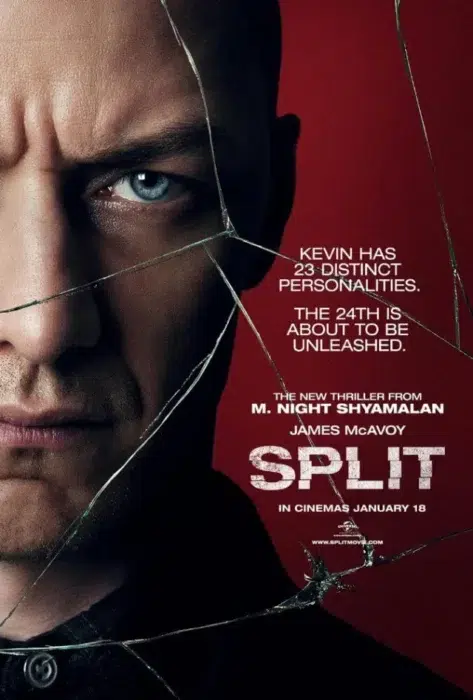
Split
Split

You can’t deny James McAvoy’s performance in this film was amazing. But the movie itself is just so far from accurately portraying dissociative identity disorder (DID).

Split is one of the bad portrayals of mental illness in movies as it shows individuals with DID as violent and dangerous; which is really not true for most people living with the condition.

2. The Shining (1980)

mental illness in movies

If you’re looking at this movie as purely a horror flick, then Jack Nicholson’s portrayal of Jack Torrance is chillingly iconic.

But the film parallels mental illness with supernatural horrors which only adds to the stigma that anyone dealing with their mental health must be dangerous or unpredictable.

3. Psycho (1960)

Psycho
Psycho

Alfred Hitchcock sure made a masterpiece, but like many other horror movies, this one leans heavily on using mental illness as a plot device.

With Norman Bates’ character, it’s no different. The mentally ill being seen as violent and deranged has always been an issue.

4. Me, Myself & Irene (2000)

Me Myself and Irene
Me Myself and Irene

This comedy-intended movie completely misses the point when it comes to showing what dissociative identity disorder truly is — instead trivializing it even further to make people laugh and hence is considered a bad representation of mental illness in films.

Related: 15 Diverse Movies Dealing With Mental Illness In A Compelling Way

5. The Soloist (2009)

The Soloist
The Soloist

By telling a true story about homelessness and schizophrenia it does raise awareness about both situations. However, this movie is one of the inaccurate portrayal of mental illness in movies as it oversimplifies what schizophrenia actually entails — missing its mark completely.

6. Joker (2019)

mental illness in movies

Joaquin Phoenix’s portrayal of Batman’s villain was incredible in terms of exploring his backstory filled with mental illness and marginalization from society.

But the film has also been criticized for the glamorization of violence and the stigmatizing way it shows mental health conditions.

7. Donnie Darko (2001)

mental illness in movies

This cult classic touches on some existential and time travel themes, but when it comes to psychosis, the movie falls short.

It only confuses everyone even more by blurring reality and fantasy instead of offering any sort of clarity.

8. Shutter Island (2010)

Shutter Island
Shutter Island

Using mental illness as a plot twist is just another example of how individuals with psychiatric conditions are depicted as dangerous and unpredictable. Suspense over accurate representation isn’t necessary here.

9. Prozac Nation (2001)

Prozac Nation
Prozac Nation

Based on Elizabeth Wurtzel’s memoir about depression, this film misses every mark possible. It suggests that popping a pill would make everything better; leaving out plenty of other important aspects of managing depression properly.

10. It’s Kind Of A Funny Story (2010)

mental illness in movies

“It’s Kind of a Funny Story” follows Craig, a teenager who checks himself into a psychiatric hospital after having thoughts of suicide.

While he’s there, he makes friends and learns things about himself. However, some critics say it romanticizes mental health problems and might trivialize depression and being in the hospital.

Related: 10 Rap Songs That Address Mental Health Struggles

While these movies might be great at entertaining audiences, we need to approach them with caution and criticism.

Inaccurate portrayal of mental illness in movies not only contributes to stigma but also hinders our efforts to create empathy and understanding around these issues.

As viewers, we need to demand better representation from Hollywood — authentic depictions that reflect people’s real experiences living with diverse forms of mental illnesses.

Movies That Inaccurately Portray Mental Health pin

Published On:

Last updated on:

Daisy Simon

I’m Daisy Simon, member of the Editorial Team at Minds Journal, who loves exploring the cultural zeitgeist through cinema, and pop culture. I hold a degree in Sociology and I write on topics like lifestyle, relationships, feminism, mental health, and how they all connect to the world we live in today. My goal is to spark honest conversations that people can relate to and help us better understand the challenges and ideas shaping our generation.

Disclaimer: The informational content on The Minds Journal have been created and reviewed by qualified mental health professionals. They are intended solely for educational and self-awareness purposes and should not be used as a substitute for professional medical advice, diagnosis, or treatment. If you are experiencing emotional distress or have concerns about your mental health, please seek help from a licensed mental health professional or healthcare provider.

Leave a Comment

Today's Horoscope

Weekly Horoscope PART one

Weekly Horoscope 15 March to 21 March 2026

Read your zodiac sign’s prediction to understand the energy surrounding you and how to make the most of the days ahead!

Latest Quizzes

Interesting Finger Personality Test: 4 Finger Lines

Finger Personality Test: Join Your Fingers And Reveal A Hidden Personality Secret!

Look closely at your finger lines. Which pattern do you see? This personality test might surprise you!

Latest Quotes

How Men Show Love Through Actions (Male Psychology in Relationships)

How Men Show Love Through Actions (Male Psychology in Relationships)

Male psychology in relationships shows that men express love through presence, protection, and peace more than poetry. Decode his actions so you can see how deeply he actually cares.

Readers Blog

Caption This Image and Selected Wisepicks – 15 March 2026

Caption This Image and Selected Wisepicks – 15 March 2026

Ready to unleash your inner wordsmith? ✨??☺️ Now’s your chance to show off your wit, charm, or sheer genius in just one line! Whether it’s laugh-out-loud funny or surprisingly deep, we want to hear it.Submit your funniest, wittiest, or most thought-provoking caption in the comments. We’ll pick 15+ winners to be featured on our website…

Latest Articles

10 Movies That Inaccurately Portray Mental Health

Movies are powerful tools that shape our thoughts and influence our ideas. But there are some bad portrayals of mental illness in movies that don’t quite match reality.

By consistently depicting harmful stereotypes and misconceptions about mental health, these movies have made a slight mockery of an incredibly serious condition.

Of course, there are some movies that did try their hardest to show authenticity and accuracy in their depiction of mental health conditions – but many fail to even come close.

While they may have had good intentions with how they presented these characters, all they’ve really done is reinforce stigmas and set back any sort of progress being made to understand and support those with MH challenges.

So, we’re going to dive into 10 bad representation of mental illness in films that depict MH conditions inaccurately. Maybe then you’ll see just how frustrating this “storytelling” method really is in cinema…

Related: 12 Ideal Movies For People With ADHD To Enjoy

10 Inaccurate Portrayals Of Mental Illness In Movies

1. Split (2016)

Split
Split

You can’t deny James McAvoy’s performance in this film was amazing. But the movie itself is just so far from accurately portraying dissociative identity disorder (DID).

Split is one of the bad portrayals of mental illness in movies as it shows individuals with DID as violent and dangerous; which is really not true for most people living with the condition.

2. The Shining (1980)

mental illness in movies

If you’re looking at this movie as purely a horror flick, then Jack Nicholson’s portrayal of Jack Torrance is chillingly iconic.

But the film parallels mental illness with supernatural horrors which only adds to the stigma that anyone dealing with their mental health must be dangerous or unpredictable.

3. Psycho (1960)

Psycho
Psycho

Alfred Hitchcock sure made a masterpiece, but like many other horror movies, this one leans heavily on using mental illness as a plot device.

With Norman Bates’ character, it’s no different. The mentally ill being seen as violent and deranged has always been an issue.

4. Me, Myself & Irene (2000)

Me Myself and Irene
Me Myself and Irene

This comedy-intended movie completely misses the point when it comes to showing what dissociative identity disorder truly is — instead trivializing it even further to make people laugh and hence is considered a bad representation of mental illness in films.

Related: 15 Diverse Movies Dealing With Mental Illness In A Compelling Way

5. The Soloist (2009)

The Soloist
The Soloist

By telling a true story about homelessness and schizophrenia it does raise awareness about both situations. However, this movie is one of the inaccurate portrayal of mental illness in movies as it oversimplifies what schizophrenia actually entails — missing its mark completely.

6. Joker (2019)

mental illness in movies

Joaquin Phoenix’s portrayal of Batman’s villain was incredible in terms of exploring his backstory filled with mental illness and marginalization from society.

But the film has also been criticized for the glamorization of violence and the stigmatizing way it shows mental health conditions.

7. Donnie Darko (2001)

mental illness in movies

This cult classic touches on some existential and time travel themes, but when it comes to psychosis, the movie falls short.

It only confuses everyone even more by blurring reality and fantasy instead of offering any sort of clarity.

8. Shutter Island (2010)

Shutter Island
Shutter Island

Using mental illness as a plot twist is just another example of how individuals with psychiatric conditions are depicted as dangerous and unpredictable. Suspense over accurate representation isn’t necessary here.

9. Prozac Nation (2001)

Prozac Nation
Prozac Nation

Based on Elizabeth Wurtzel’s memoir about depression, this film misses every mark possible. It suggests that popping a pill would make everything better; leaving out plenty of other important aspects of managing depression properly.

10. It’s Kind Of A Funny Story (2010)

mental illness in movies

“It’s Kind of a Funny Story” follows Craig, a teenager who checks himself into a psychiatric hospital after having thoughts of suicide.

While he’s there, he makes friends and learns things about himself. However, some critics say it romanticizes mental health problems and might trivialize depression and being in the hospital.

Related: 10 Rap Songs That Address Mental Health Struggles

While these movies might be great at entertaining audiences, we need to approach them with caution and criticism.

Inaccurate portrayal of mental illness in movies not only contributes to stigma but also hinders our efforts to create empathy and understanding around these issues.

As viewers, we need to demand better representation from Hollywood — authentic depictions that reflect people’s real experiences living with diverse forms of mental illnesses.

Movies That Inaccurately Portray Mental Health pin

Published On:

Last updated on:

Daisy Simon

I’m Daisy Simon, member of the Editorial Team at Minds Journal, who loves exploring the cultural zeitgeist through cinema, and pop culture. I hold a degree in Sociology and I write on topics like lifestyle, relationships, feminism, mental health, and how they all connect to the world we live in today. My goal is to spark honest conversations that people can relate to and help us better understand the challenges and ideas shaping our generation.

Leave a Comment

    Leave a Comment