

If you believe infidelity in relationships starts with a kiss, a hotel room, or a shocking discovery, you’re highly mistaken! It all begins in the mind with small emotional cracks, unmet needs that go unspoken, and moments that feel harmless until they’re not.
Most people who cheat don’t wake up one morning intending to betray their partner or destroy their relationship. And honestly, many are even convinced that it could never happen to them. But there are signs everywhere! In the silence after unresolved arguments…..In the conversations that feel safer elsewhere…..In the moments when honesty feels harder than secrecy.
So if you’re wondering what it is that quietly destabilises a strongly built relationship from the inside out, you’re at the right place. The reasons aren’t obviously limited to a single moment of betrayal. These 9 stages of infidelity explain how ordinary people can cross extraordinary boundaries.
It Didn’t “Just Happen”: The 9 Stages That Lead to Infidelity in Relationships
Here are the nine stages of cheating, from the first crack in the relationship to the moment everything comes undone:
1. The Vulnerability Gap: When Something Feels Off but No One Says It
Every affair begins with the feeling: I don’t feel okay here anymore. Maybe it’s because of emotional neglect, constant conflicts, or feeling invisible despite being “together.” The relationship that looks fine outside starts to emotionally starve you from the inside.
This stage is dangerous because it feels passive. And that’s how affairs start! There’s no third person yet, and no rules have been broken, but the emotional door is cracked open, and vulnerability is quietly looking for somewhere else to land.
Related: Not Just Cheating: 6 Shocking Forms of Betrayal in Relationships
2. The Innocent Connection: “It’s Just a Friend”
Now, this is where the story always sounds harmless. There comes a coworker who just gets you, an old mate who randomly checks in, or maybe a friend who listens without judgment. The connection starts to feel easy and refreshing compared to the emotional effort required at home.
This is undoubtedly one of the most deceptive stages of infidelity since maintaining boundaries feels optional. After all, you’re not doing anything wrong… right? But whether you realise it or not, emotional energy has already started shifting away from the relationship, and that shift matters more than labels.
3. Emotional Opening: When You Start Sharing What You No Longer Share at Home
Now this is where the walls drop, and things begin to quietly deepen. Conversations become more frequent and private. Personal frustrations are discussed, and relationship complaints sneak in. And the bond deepens not through physical intimacy, but through understanding.
Emotional intimacy, once reserved for your partner, is now being built elsewhere. This thought of “I haven’t felt like this in a long time” is even more intoxicating than physical attraction. And this is one of those stages of cheating, where the affair has become inevitable.
4. Comparison and Devaluation: When Your Partner Suddenly Feels Like the Problem
This stage rewrites reality! Comparisons unknowingly creep in. The new person feels exciting, attentive, and supportive. On the flip side, you suddenly find your partner boring and emotionally distant. When their flaws become louder than their efforts, it’s a warning bell.
And this mental comparison subtly makes you believe that cheating isn’t the real issue…..the relationship is. That’s where the entire narrative shifts, and you quietly wish to end something you started with so much love and enthusiasm.

5. Secrecy and Deception: Passwords, Deleted Messages, and “Nothing to Worry About”
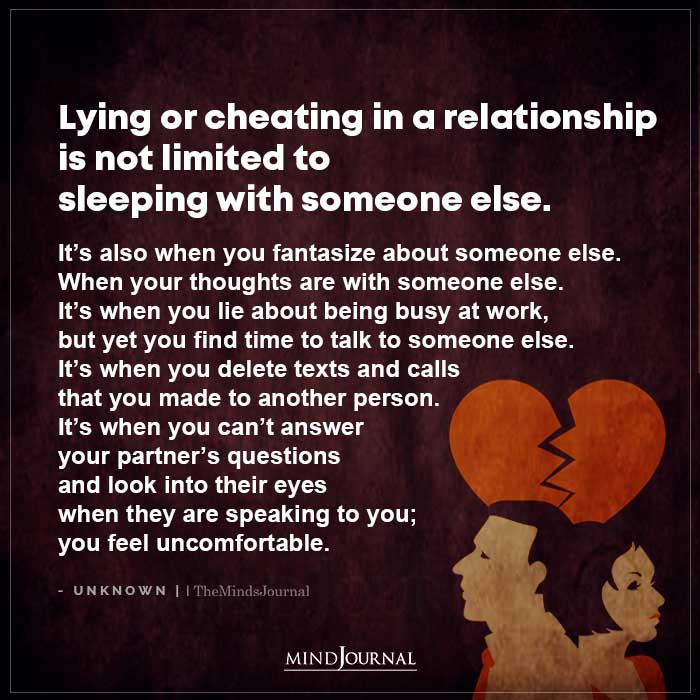
When questions are deflected with “You’re overthinking” or “It’s nothing”, it’s a primary sign of having an affair. Phones are locked, messages are deleted, and conversations often occur late at night or behind closed doors.
The cheating partner may justify secrecy as protecting their partner from unnecessary hurt, but secrecy itself becomes the betrayal. Now the relationship is no longer just being neglected; it’s being actively betrayed.
6. The Physical Boundary Cross: The Moment Everything Changes
This is the moment people think infidelity in relationships begins, but it’s actually just the visible part. A kiss from which you don’t pull yourself back, or a touch that’s no longer accidental. Whether impulsive or planned, the physical line is crossed.
Often, this moment feels charged with both adrenaline and guilt. Contrary to popular belief, this isn’t the most emotionally significant stages of infidelity. By the time physical infidelity occurs, the relationship has often already been fractured at multiple levels.
7. Justification and Rationalisation: The Stories We Tell Ourselves
After crossing the line, guilt makes you rush into defence mode.
“It just happened.”
“I haven’t been happy in years.”
“My partner doesn’t even try anymore.”
“This doesn’t define me.”
“I’ll stop soon.”
As a cheating partner, these justifications protect your self-image while allowing the behaviour to continue. In this stage, moral boundaries blur, and accountability is undermined.

8. The Double Life: Living Two Realities at Once
Living in two worlds and belonging fully to neither is the most psychologically draining aspect of infidelity in relationships. The cheating partner juggles schedules and identity to keep up the secrecy. At home, they play the role of partner. Elsewhere, they experience excitement, escape, and validation.
What once felt thrilling now feels suffocating. There’s anxiety regarding the fear of getting caught, but ending the affair feels just as terrifying as continuing it.
9. Discovery or Disclosure: When the Truth Breaks the Illusion
Eventually, the illusion collapses. Maybe a message is found accidentally, a confession spills out, or a third party reveals the truth. Whether accidental or intentional, this moment shakes the foundation of the relationship.
For the betrayed partner, reality fractures. For the unfaithful partner, consequences finally arrive. There’s no more hiding; only fallout and irreversible change.
Related: How to Spot Revenge Cheating: 7 Signs You Shouldn’t Ignore
Final Takeaway: Infidelity Is a Slow Burn, Not a Sudden Explosion
Infidelity in relationships isn’t a one-day story. It’s unaddressed vulnerability, eroded boundaries, and emotional drift that compound over time. Long before the visible signs of betrayal, your relationship often asks for attention in quieter ways.
Recognising the stages of infidelity isn’t about fear or suspicion; it’s about awareness. Whether you’re trying to protect your relationship, get closure regarding a past betrayal, or simply understand how infidelity unfolds, awareness is the first step toward change.
And yes, affairs often grow in spaces where difficult conversations should have lived. So have that difficult conversation even if it feels uncomfortable because it’s far less painful than discovering the heartbreak too late.
Frequently Asked Questions (FAQs)
How to handle infidelity in relationships?
Handling infidelity in relationships starts with honesty and emotional clarity. Communicate openly with your partner about feelings, boundaries, and expectations. Seek professional support, like therapy, to process betrayal and rebuild trust. Reflect on whether the relationship is worth saving, prioritise self-care, and set clear decisions for moving forward, whether that’s reconciliation or a healthy separation.
What is considered infidelity in a relationship?
Infidelity in a relationship is any breach of trust that violates agreed-upon boundaries. It can be physical, like sexual activity with someone outside the relationship, or emotional, such as secretive romantic connections, emotional intimacy, or flirtation that undermines commitment. It’s defined by the expectations and agreements between partners, not just by actions alone.
What are the stages of cheating?
The stages of cheating typically begin with emotional vulnerability, followed by forming an innocent connection outside the relationship. That’s how affairs start and progress to emotional intimacy, comparison with the partner, secrecy, physical boundary crossing, rationalisation, living a double life, and finally, discovery or disclosure. Each stage gradually erodes trust and loyalty before infidelity becomes apparent.


Leave a Comment