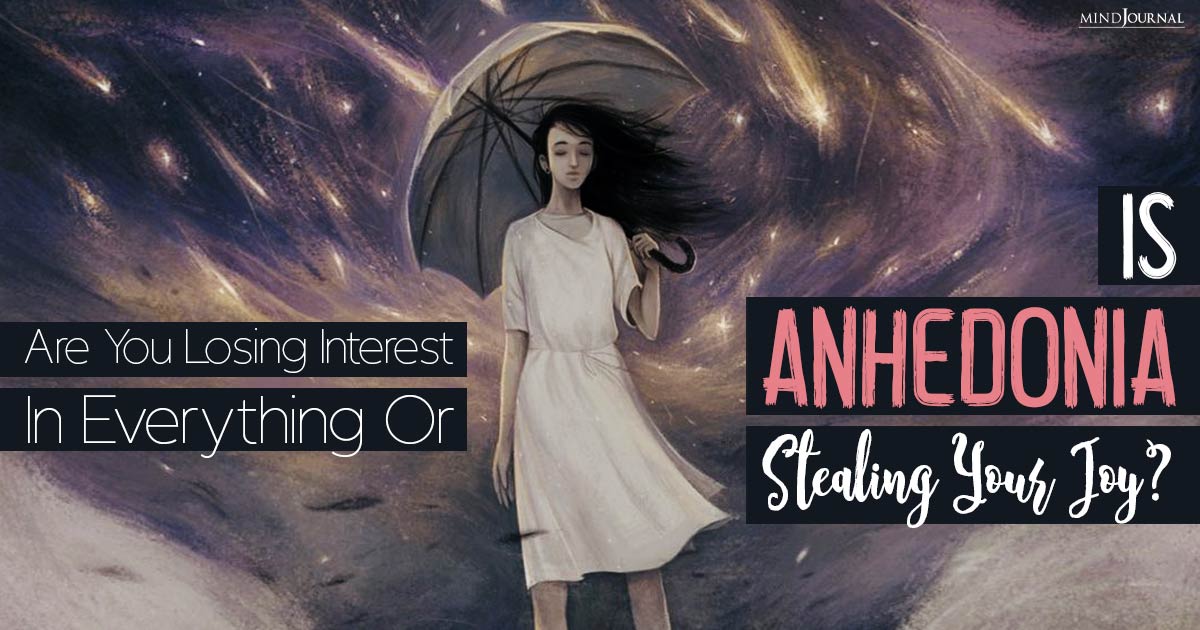
Is Depression More Than Just Sadness? Exploring The Hidden Symptom Of Anhedonia: A Loss Of Pleasure

Author : Irina Hope

Is Depression More Than Just Sadness? Exploring The Hidden Symptom Of Anhedonia: A Loss Of Pleasure

Are you familiar with the concept of depression extending beyond mere sadness, leading to a profound loss of pleasure in activities that once brought joy?

Depression is a complex mental health condition that goes beyond mere feelings of sadness. 

While sadness is commonly associated with depression, thereโ€™s another significant aspect that often gets overlooked: Anhedonia. 

Anhedonia refers to the loss of amusement in activities that were once enjoyable. This symptom affects a substantial number of individuals with depression, and its impact on their quality of life cannot be underestimated.

Read more here: A Life Without Pleasure: The Pain of Anhedonia

What Is Loss Of Pleasure?

Are you experiencing a loss of interest in things that are pleasurable? If the answer is yes, you might be experiencing a common yet often overlooked aspect of depression called Anhedonia. 

What is Anhedonia? Well, Anhedonia is a hallmark symptom of depression, yet its significance is frequently underestimated

Itโ€™s characterized by a diminished interest or pleasure in activities that once brought joy. This loss of enjoyment extends to almost all aspects of life, which can be particularly distressing. 

Anhedonia doesnโ€™t always manifest as overt sadness, making it harder to recognize, but it remains a key diagnostic criterion for depression.

Loss Of Interest In Depression Is A Complex Process

Anhedonia isnโ€™t limited to depression; it can also be a symptom of other disorders like schizophrenia, anxiety, and Parkinsonโ€™s disease

Itโ€™s more than just a lack of joy; it can also manifest as a reduced motivation to engage in activities. For some individuals, this could mean struggling to attend school or spend time with friends. 

For others, it might be an overwhelming feeling of not wanting to do anything at all, which can even lead to a sense of hopelessness.

Read more here: YOU ARE NOT LAZY!!! 6 Signs You Are Too Depressed To Do Anything

Probable Challenges In The Treatment Of Loss Of Pleasure

Anhedonia presents unique challenges in treatment. While talking therapies and antidepressants are common treatments for depression, they might not effectively target Anhedonia. 

Current therapies often focus on alleviating depressed mood and negative thinking, while anhedonia requires interventions that address the loss of interest in things that are pleasurable.

Depression is not just sadness itโ€™s often a loss of pleasure

Behavioral Activation: A Promising Approach

Behavioral activation, a form of talk therapy, holds promise in addressing Anhedonia. This therapy aims to help individuals take small steps towards finding enjoyment in life again. 

However, Anhedoniaโ€™s lack of motivation can make engaging in any form of therapy challenging. 

Overcoming this motivational barrier becomes essential in designing effective treatment strategies.

The Brainโ€™s Reward System

Loss of interest in Depression is linked to dysfunctional reward mechanisms in the brain, encompassing anticipation, motivation, pleasure, and learning about rewards. 

Targeting these various subprocesses could hold the key to more effective treatment. Research into how these processes operate in individuals with Anhedonia is crucial to developing targeted interventions.

Read more here: Is Procrastination A Sign Of Depression? 4 Vital Clues To Watch For

Potential Treatment Strategies For Anhedonia

Despite its complexities, Anhedonia doesnโ€™t leave individuals without hope. Emerging research suggests several avenues for effective treatment:

1. Reward-Focused Talk Therapies 

Promising avenues in Anhedonia treatment lie in therapies meticulously designed to target reward processing. 

Augmented depression therapy, a cutting-edge approach that encompasses both the ups and downs of experiences, emerges as a distinctive contender

By addressing the intricate dynamics of pleasure and distress, it holds the potential to unveil a brighter path forward for those grappling with Anhedonia.
2. Neurotransmitter-Based Antidepressants 

Harnessing the potential of antidepressants that impact neurotransmitters linked to the brainโ€™s reward system, such as dopamine, could present a more tailored approach to Anhedonia treatment. 

By targeting the intricate neural pathways responsible for pleasure, these medications might offer renewed hope for individuals seeking relief from the grip of Anhedonia.

Drugs such as ketamine, which impact dopamine activity, are being investigated for their potential effectiveness.

3. Try To Engage In Enjoyable Activities 

Discovering motivation amidst Anhedoniaโ€™s grip can be an uphill battle. However, rekindling former pleasures or delving into new hobbies could hold the key to easing this symptomโ€™s weight. 

Engaging in activities that once sparked joy gradually nudges the mind toward rediscovering the delight that life can offer.

4. Lookout For Support

If you find yourself grappling with a diminishing allure for previously enjoyable pursuits, itโ€™s crucial to seek assistance. 

Neglecting these emotions can inadvertently extend distress and impede the healing journey. 

Reaching out for support opens the door to understanding, relief, and a potential route to rediscover the joys life has to offer.

Start by reaching out to loved ones or your general practitioner to discuss your concerns. Remember that acknowledging your feelings and seeking help is a crucial step towards finding relief.

Depression is a complex condition that extends beyond sadness. The loss of pleasure, which involves the absence of enjoyment in activities that were once pleasurable, constitutes a notable and frequently disregarded indication of depression. 

While challenging to treat, emerging research offers hope through reward-focused talk therapies and neurotransmitter-based antidepressants. 

Taking steps to engage in enjoyable activities and seeking support are essential components of overcoming Anhedonia. 

Remember, youโ€™re not alone in this journey, and seeking help is a powerful step towards reclaiming your joy and pleasure in life.


What is Anhedonia and how is it different from regular sadness?

Anhedonia is a core aspect of depression, involving a persistent lack of enjoyment in activities that used to be pleasurable. It differs from normal sadness by its pervasive impact on the ability to feel pleasure rather than just temporary feelings of unhappiness.

Can Anhedonia be treated effectively?

Yes, there is hope. While Anhedonia can be challenging to treat, emerging strategies such as reward-focused therapies and neurotransmitter-based antidepressants show promise in addressing this symptom.


Is Anhedonia exclusive to depression?

Anhedonia is commonly linked to depression, but it can also be a symptom of various other disorders, including schizophrenia, anxiety, and Parkinsonโ€™s disease.


Published On:

Last updated on:

Disclaimer: The informational content on The Minds Journal have been created and reviewed by qualified mental health professionals. They are intended solely for educational and self-awareness purposes and should not be used as a substitute for professional medical advice, diagnosis, or treatment. If you are experiencing emotional distress or have concerns about your mental health, please seek help from a licensed mental health professional or healthcare provider.

Leave a Comment

Today's Horoscope

Weekly Horoscope PART one

Weekly Horoscope 15 March to 21 March 2026

Read your zodiac signโ€™s prediction to understand the energy surrounding you and how to make the most of the days ahead!

Latest Quizzes

Interesting Finger Personality Test: 4 Finger Lines

Finger Personality Test: Join Your Fingers And Reveal A Hidden Personality Secret!

Look closely at your finger lines. Which pattern do you see? This personality test might surprise you!

Latest Quotes

How Men Show Love Through Actions (Male Psychology in Relationships)

How Men Show Love Through Actions (Male Psychology in Relationships)

Male psychology in relationships shows that men express love through presence, protection, and peace more than poetry. Decode his actions so you can see how deeply he actually cares.

Readers Blog

Caption This Image and Selected Wisepicks โ€“ 15 March 2026

Caption This Image and Selected Wisepicks โ€“ 15 March 2026

Ready to unleash your inner wordsmith? โœจ??โ˜บ๏ธ Nowโ€™s your chance to show off your wit, charm, or sheer genius in just one line! Whether itโ€™s laugh-out-loud funny or surprisingly deep, we want to hear it.Submit your funniest, wittiest, or most thought-provoking caption in the comments. Weโ€™ll pick 15+ winners to be featured on our website…

Latest Articles

Is Depression More Than Just Sadness? Exploring The Hidden Symptom Of Anhedonia: A Loss Of Pleasure

Are you familiar with the concept of depression extending beyond mere sadness, leading to a profound loss of pleasure in activities that once brought joy?

Depression is a complex mental health condition that goes beyond mere feelings of sadness. 

While sadness is commonly associated with depression, thereโ€™s another significant aspect that often gets overlooked: Anhedonia. 

Anhedonia refers to the loss of amusement in activities that were once enjoyable. This symptom affects a substantial number of individuals with depression, and its impact on their quality of life cannot be underestimated.

Read more here: A Life Without Pleasure: The Pain of Anhedonia

What Is Loss Of Pleasure?

Are you experiencing a loss of interest in things that are pleasurable? If the answer is yes, you might be experiencing a common yet often overlooked aspect of depression called Anhedonia. 

What is Anhedonia? Well, Anhedonia is a hallmark symptom of depression, yet its significance is frequently underestimated

Itโ€™s characterized by a diminished interest or pleasure in activities that once brought joy. This loss of enjoyment extends to almost all aspects of life, which can be particularly distressing. 

Anhedonia doesnโ€™t always manifest as overt sadness, making it harder to recognize, but it remains a key diagnostic criterion for depression.

Loss Of Interest In Depression Is A Complex Process

Anhedonia isnโ€™t limited to depression; it can also be a symptom of other disorders like schizophrenia, anxiety, and Parkinsonโ€™s disease

Itโ€™s more than just a lack of joy; it can also manifest as a reduced motivation to engage in activities. For some individuals, this could mean struggling to attend school or spend time with friends. 

For others, it might be an overwhelming feeling of not wanting to do anything at all, which can even lead to a sense of hopelessness.

Read more here: YOU ARE NOT LAZY!!! 6 Signs You Are Too Depressed To Do Anything

Probable Challenges In The Treatment Of Loss Of Pleasure

Anhedonia presents unique challenges in treatment. While talking therapies and antidepressants are common treatments for depression, they might not effectively target Anhedonia. 

Current therapies often focus on alleviating depressed mood and negative thinking, while anhedonia requires interventions that address the loss of interest in things that are pleasurable.

Depression is not just sadness itโ€™s often a loss of pleasure

Behavioral Activation: A Promising Approach

Behavioral activation, a form of talk therapy, holds promise in addressing Anhedonia. This therapy aims to help individuals take small steps towards finding enjoyment in life again. 

However, Anhedoniaโ€™s lack of motivation can make engaging in any form of therapy challenging. 

Overcoming this motivational barrier becomes essential in designing effective treatment strategies.

The Brainโ€™s Reward System

Loss of interest in Depression is linked to dysfunctional reward mechanisms in the brain, encompassing anticipation, motivation, pleasure, and learning about rewards. 

Targeting these various subprocesses could hold the key to more effective treatment. Research into how these processes operate in individuals with Anhedonia is crucial to developing targeted interventions.

Read more here: Is Procrastination A Sign Of Depression? 4 Vital Clues To Watch For

Potential Treatment Strategies For Anhedonia

Despite its complexities, Anhedonia doesnโ€™t leave individuals without hope. Emerging research suggests several avenues for effective treatment:

1. Reward-Focused Talk Therapies 

Promising avenues in Anhedonia treatment lie in therapies meticulously designed to target reward processing. 

Augmented depression therapy, a cutting-edge approach that encompasses both the ups and downs of experiences, emerges as a distinctive contender

By addressing the intricate dynamics of pleasure and distress, it holds the potential to unveil a brighter path forward for those grappling with Anhedonia.

2. Neurotransmitter-Based Antidepressants 

Harnessing the potential of antidepressants that impact neurotransmitters linked to the brainโ€™s reward system, such as dopamine, could present a more tailored approach to Anhedonia treatment. 

By targeting the intricate neural pathways responsible for pleasure, these medications might offer renewed hope for individuals seeking relief from the grip of Anhedonia.

Drugs such as ketamine, which impact dopamine activity, are being investigated for their potential effectiveness.

3. Try To Engage In Enjoyable Activities 

Discovering motivation amidst Anhedoniaโ€™s grip can be an uphill battle. However, rekindling former pleasures or delving into new hobbies could hold the key to easing this symptomโ€™s weight. 

Engaging in activities that once sparked joy gradually nudges the mind toward rediscovering the delight that life can offer.

4. Lookout For Support

If you find yourself grappling with a diminishing allure for previously enjoyable pursuits, itโ€™s crucial to seek assistance. 

Neglecting these emotions can inadvertently extend distress and impede the healing journey. 

Reaching out for support opens the door to understanding, relief, and a potential route to rediscover the joys life has to offer.

Start by reaching out to loved ones or your general practitioner to discuss your concerns. Remember that acknowledging your feelings and seeking help is a crucial step towards finding relief.

Depression is a complex condition that extends beyond sadness. The loss of pleasure, which involves the absence of enjoyment in activities that were once pleasurable, constitutes a notable and frequently disregarded indication of depression. 

While challenging to treat, emerging research offers hope through reward-focused talk therapies and neurotransmitter-based antidepressants. 

Taking steps to engage in enjoyable activities and seeking support are essential components of overcoming Anhedonia. 

Remember, youโ€™re not alone in this journey, and seeking help is a powerful step towards reclaiming your joy and pleasure in life.


What is Anhedonia and how is it different from regular sadness?

Anhedonia is a core aspect of depression, involving a persistent lack of enjoyment in activities that used to be pleasurable. It differs from normal sadness by its pervasive impact on the ability to feel pleasure rather than just temporary feelings of unhappiness.

Can Anhedonia be treated effectively?

Yes, there is hope. While Anhedonia can be challenging to treat, emerging strategies such as reward-focused therapies and neurotransmitter-based antidepressants show promise in addressing this symptom.


Is Anhedonia exclusive to depression?

Anhedonia is commonly linked to depression, but it can also be a symptom of various other disorders, including schizophrenia, anxiety, and Parkinsonโ€™s disease.


Published On:

Last updated on:

Irina Hope

Leave a Comment

    Leave a Comment