10 Secrets Every Parent Needs To Know About Saying No

Author : Dr. Laura Markham

10 Secrets Every Parent Needs To Know About Saying No

Want your child to listen when you say No?
Hereโ€™s the secret every parent needs to know about saying No and making your kids comply.

โ€œDr. Laura โ€“ Iโ€™m not one of those โ€˜Count to 3 and They Jumpโ€™ parents. I was raised that way and it always seems to involve threats and harshness. But I do want my kids to listen to me, and to take No for an answer. For instance, when I say โ€˜Itโ€™s time to clean upโ€™ they ignore me unless I yell. Whatโ€™s the secret?โ€
-Danielle

In my post Obedience: Why Do You Have To Tell Them Five Times? we explored why kids donโ€™t jump to it when we ask them to do something. Many parents told me that post helped them understand conflicts from their childโ€™s perspective, which made it possible to find some common ground and more cooperation.

As always, a few parents advocated more harshness: โ€œParents just need to learn to say No and back it up with punishment!โ€ But even many parents who are committed to loving guidance wondered, โ€œHow can I enforce my No if I donโ€™t resort to threats?โ€

This is, of course, the million-dollar question. All parents wish their children would just comply when we ask them to do something and acquiesce easily when we say No. We donโ€™t want to be mean about it. But we do need them to cooperate!

Luckily, it is indeed possible to help children WANT to cooperate, without resorting to yelling, threats, or harshness. The secrets?

Hereโ€™re 10 Secrets To Help Parents Say โ€˜NOโ€™

1. Kids only listen to us because of who we are to them.

Your influence with your child depends on how connected they feel to you. I know YOU feel connected. But does your child feel understood, even when they donโ€™t get what they want? Does your child trust that youโ€™ll respond when they need you? Does your child feel accepted as they are, even though theyโ€™re not perfect? Does your child trust that you can manage your temper, rather than indulging your own frustration or trying to scare them into cooperating?

If your child wonโ€™t listen, start by consciously connecting, to strengthen and sweeten your relationship.

  • Look for every opportunity to empathize, especially as you set limits and redirect. โ€œThat looks like so much funโ€ฆ. You love racing your truck around the houseโ€ฆ. And Iโ€™m worried that crashing it like that could scrape up the wall, so we need to find a safe place for you to crash.โ€
  • Commit to 15 minutes minimum of one-on-one Special Time to connect with each child daily.
  • Roughhouse to get your child laughing every single day. (This builds trust and connection, as well as reducing stress hormones.)
  • Welcome your childโ€™s tears when they need to cry, even when itโ€™s because youโ€™re saying no. (You donโ€™t change your limit. You just empathize with how much they wish you would say Yes.)

Within a week of this focus on connecting, youโ€™ll see your child start to pay more attention when you ask for their cooperation.

saying no

Also read How To Help Children Who Struggle With Self-Consciousness And Feel More Easily Slighted

2. Kids accept our direction when itโ€™s part of the routine.

โ€œWe always clean up the toys before dinner. Thatโ€™s the rule. Come on, letโ€™s work together. We can make this fun.โ€

If your child doesnโ€™t help, keep your cool and begin handing them one item at a time to put on the shelf. Playfully give voices to the toys, so they can direct you to where they want to go. Be sure some of the toys end up on your childโ€™s head to get them laughing, and your child wonโ€™t be able to resist putting the toy in the right place.

Children may not love our routines, but when we cheerfully insist on them every day, those routines become habits, like washing hands after being outside, or doing homework before playing. And if you make any routine fun for your child, it will become a habit much faster!

3. Kids accept our requests when they realize, through experience, that the limit is firm.

If children learn they can always adjust our limits, they will naturally challenge them every time. That doesnโ€™t mean you canโ€™t listen to their arguments and reconsider. (You want them to get good at finding win/win solutions, after all.) But once your mind is made up, be kind but firm. Get in their physical space in a pleasant, humorous way, so that ignoring you isnโ€™t an option.

โ€œHey, didnโ€™t you hear me, you dump truck driver? Time to clean up now. Show me the noises your truck makes while you drive it to the toy shelf.โ€

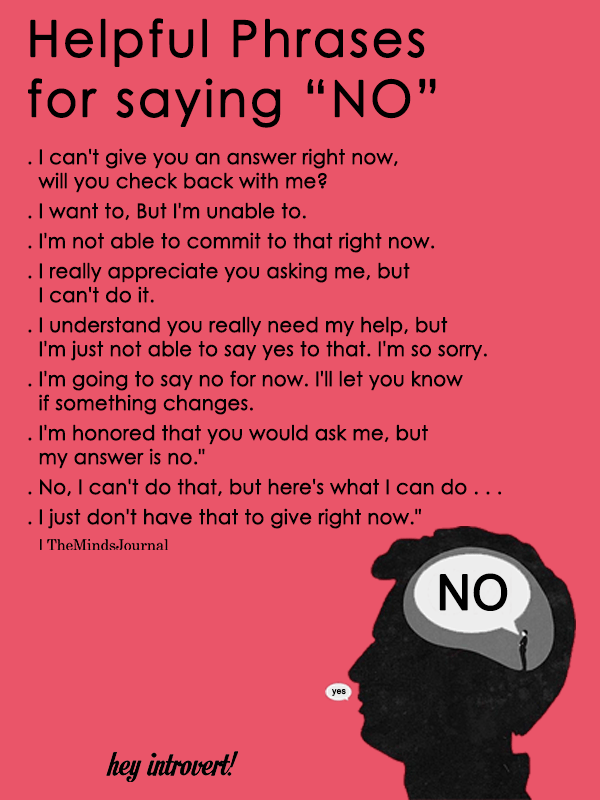
Helpful Phrases For Saying โ€œNoโ€

4. Kids accept our limits when we accept their desires, and their anger, sadness or disappointment about our limits.

They donโ€™t have to like our limits; they just have to follow them. Once they express their desire and their unhappiness and feel heard, they can more easily accept the limit and move on.

โ€œYou wish you could play for ten more hours, right? You want to play all night. Itโ€™s hard to stop playing and clean up. Want to growl while we clean up to show me how snarly you feel? Letโ€™s have a growling contest while we put the stuffed animals back on the shelf. Here, my panda is growling loudly while she goes to her place on the shelf! Wow! Listen to your alligator roaring!โ€

Also read 25 Signs of A Controlling Parent And How To Cope With Them

5. Kids follow our requests when they donโ€™t feel pushed around.

Avoid initiating a power struggle. Find a way to give a choice, and some autonomy.

โ€œItโ€™s time to clean up now. You have a choice. Do you want to drive the cars into the box, or airlift them in?โ€

6. Kids follow our requests when we transform them into something fun and inviting.

You can make a game out anything, and no kid can resist an invitation to play. Let the trucks have a race to the toy box. Use funny voices. Have a contest about who can clean up fastest. Pretend youโ€™re the wrecking crew. Tell a story while you clean up about a kid who hated to clean up.

Can you do this every time? No, unless youโ€™re superhuman. Every parent has days when theyโ€™re just too exhausted to make things fun. But if you do this whenever you can summon up the energy, you create enough goodwill to spill over into the days when you canโ€™t.

7. Kids follow our requests when theyโ€™re age-appropriate.

Most five-year-olds canโ€™t clean up by themselves. Even if you think he โ€œshouldโ€ know-how, he needs your attention to stay on task. You might say heโ€™s โ€œborrowingโ€ your executive function. When we clean up with our kids, over and over, and make it enjoyable, they eventually learn to take pleasure in making their space orderly.

But usually, for young children, itโ€™s not age-appropriate to expect them to do it themselves. Their only pleasure in cleaning up is the connection with the parent โ€” so make the most of that connection to inspire the clean-up.

8. Kids accept our limits when they see that we care about their happiness.

โ€œI know you donโ€™t want to destroy this tower you worked so hard on. We usually clean everything up at night, but letโ€™s leave your tower up to enjoy. And if we hurry with the rest of the clean-up, weโ€™ll have time for an extra story.โ€

Also read How To Build Resilience In Children Who Have A Low Tolerance For Frustration

9. Kids accept our direction because they trust us to make rules that support their well-being.

That trust is established by the way we interact with them every day.

โ€œWe clean up so we donโ€™t trip over the toys and break them. And so we have a clear space to play tomorrow.โ€

10. Kids accept our NO because they feel our deeper YES.

Kids will do almost anything we request if we make the request with a loving heart. Find a way to say YES instead of NO even while you set your limit.

โ€œYES, itโ€™s time to clean up, and YES I will help you and YES we can leave your tower up and YES you can growl about it and YES if we hurry we can read an extra story and YES we can make this fun and YES I adore you and YES how did I get so lucky to be your parent? YES!โ€

So maybe the biggest secret about saying No is that you can say it with what writer Scott Noelle calls โ€œYes! Energy.โ€ When youโ€™re able to say No clearly, but with all the warmth and affection you feel for your child, thereโ€™s a bigger Yes in it, a Yes to your child. Itโ€™s that larger affirmation, that Yes, that your child senses and responds to, that helps them accept your No. Your child will respond with the generosity of spirit that matches yours.

say no

Also read How To Build Healthy Relationships Between Mothers And Adult Daughters: 6 Tips

Please share this article with anyone who you may think will find it valuable and helpful.


Written by: Dr. Laura Markham 
Originally appeared on: AhaParenting.com
Republished with permission 
Secrets Every Parent Needs To Know Saying No Pin

Published On:

Last updated on:

Dr. Laura Markham

Dr. Laura Markham, founder of AhaParenting.com and author of Peaceful Parent, Happy Kids, Peaceful Parent, Happy Siblings, and her latest book, the Peaceful Parent, Happy Kids Workbook.

Disclaimer: The informational content on The Minds Journal have been created and reviewed by qualified mental health professionals. They are intended solely for educational and self-awareness purposes and should not be used as a substitute for professional medical advice, diagnosis, or treatment. If you are experiencing emotional distress or have concerns about your mental health, please seek help from a licensed mental health professional or healthcare provider.

Leave a Comment

Today's Horoscope

Your Daily Horoscope For 4 April, 2026: Free Predictions

Daily Horoscope 4 April, 2026: Prediction For Each Zodiac Sign

Look at your daily prediction and see what the stars have in store for your love life and your future!

Latest Quizzes

How Many Circles Do You See? A Simple Test of Thinking Style

How Many Circles Do You See? Your Answer Might Reveal Narcissistic Traits!ย 

Take a closer look at this simple image and discover what your circle count reveals about your thinking style, perception, and attention in this fun and engaging visual test.

Latest Quotes

Real Signs Your Body Is Actually in Good Health: How to Know Youโ€™re Truly Well

Real Signs Your Body Is Actually in Good Health: How to Know Youโ€™re Truly Well

Real signs your body is healthy donโ€™t always show up on lab reports. From good sleep and clear skin to regular digestion and a stable mood, your body is constantly sending quiet signals of wellness.

Readers Blog

Caption This Image and Selected Wisepicks โ€“ 5 April 2026

Caption This Image and Selected Wisepicks โ€“ 5 April 2026

Ready to unleash your inner wordsmith? โœจ??โ˜บ๏ธ Nowโ€™s your chance to show off your wit, charm, or sheer genius in just one line! Whether itโ€™s laugh-out-loud funny or surprisingly deep, we want to hear it.Submit your funniest, wittiest, or most thought-provoking caption in the comments. Weโ€™ll pick 15+ winners to be featured on our website…

Latest Articles

10 Secrets Every Parent Needs To Know About Saying No

Want your child to listen when you say No?
Hereโ€™s the secret every parent needs to know about saying No and making your kids comply.

โ€œDr. Laura โ€“ Iโ€™m not one of those โ€˜Count to 3 and They Jumpโ€™ parents. I was raised that way and it always seems to involve threats and harshness. But I do want my kids to listen to me, and to take No for an answer. For instance, when I say โ€˜Itโ€™s time to clean upโ€™ they ignore me unless I yell. Whatโ€™s the secret?โ€
-Danielle

In my post Obedience: Why Do You Have To Tell Them Five Times? we explored why kids donโ€™t jump to it when we ask them to do something. Many parents told me that post helped them understand conflicts from their childโ€™s perspective, which made it possible to find some common ground and more cooperation.

As always, a few parents advocated more harshness: โ€œParents just need to learn to say No and back it up with punishment!โ€ But even many parents who are committed to loving guidance wondered, โ€œHow can I enforce my No if I donโ€™t resort to threats?โ€

This is, of course, the million-dollar question. All parents wish their children would just comply when we ask them to do something and acquiesce easily when we say No. We donโ€™t want to be mean about it. But we do need them to cooperate!

Luckily, it is indeed possible to help children WANT to cooperate, without resorting to yelling, threats, or harshness. The secrets?

Hereโ€™re 10 Secrets To Help Parents Say โ€˜NOโ€™

1. Kids only listen to us because of who we are to them.

Your influence with your child depends on how connected they feel to you. I know YOU feel connected. But does your child feel understood, even when they donโ€™t get what they want? Does your child trust that youโ€™ll respond when they need you? Does your child feel accepted as they are, even though theyโ€™re not perfect? Does your child trust that you can manage your temper, rather than indulging your own frustration or trying to scare them into cooperating?

If your child wonโ€™t listen, start by consciously connecting, to strengthen and sweeten your relationship.

  • Look for every opportunity to empathize, especially as you set limits and redirect. โ€œThat looks like so much funโ€ฆ. You love racing your truck around the houseโ€ฆ. And Iโ€™m worried that crashing it like that could scrape up the wall, so we need to find a safe place for you to crash.โ€
  • Commit to 15 minutes minimum of one-on-one Special Time to connect with each child daily.
  • Roughhouse to get your child laughing every single day. (This builds trust and connection, as well as reducing stress hormones.)
  • Welcome your childโ€™s tears when they need to cry, even when itโ€™s because youโ€™re saying no. (You donโ€™t change your limit. You just empathize with how much they wish you would say Yes.)

Within a week of this focus on connecting, youโ€™ll see your child start to pay more attention when you ask for their cooperation.

saying no

Also read How To Help Children Who Struggle With Self-Consciousness And Feel More Easily Slighted

2. Kids accept our direction when itโ€™s part of the routine.

โ€œWe always clean up the toys before dinner. Thatโ€™s the rule. Come on, letโ€™s work together. We can make this fun.โ€

If your child doesnโ€™t help, keep your cool and begin handing them one item at a time to put on the shelf. Playfully give voices to the toys, so they can direct you to where they want to go. Be sure some of the toys end up on your childโ€™s head to get them laughing, and your child wonโ€™t be able to resist putting the toy in the right place.

Children may not love our routines, but when we cheerfully insist on them every day, those routines become habits, like washing hands after being outside, or doing homework before playing. And if you make any routine fun for your child, it will become a habit much faster!

3. Kids accept our requests when they realize, through experience, that the limit is firm.

If children learn they can always adjust our limits, they will naturally challenge them every time. That doesnโ€™t mean you canโ€™t listen to their arguments and reconsider. (You want them to get good at finding win/win solutions, after all.) But once your mind is made up, be kind but firm. Get in their physical space in a pleasant, humorous way, so that ignoring you isnโ€™t an option.

โ€œHey, didnโ€™t you hear me, you dump truck driver? Time to clean up now. Show me the noises your truck makes while you drive it to the toy shelf.โ€

Helpful Phrases For Saying โ€œNoโ€

4. Kids accept our limits when we accept their desires, and their anger, sadness or disappointment about our limits.

They donโ€™t have to like our limits; they just have to follow them. Once they express their desire and their unhappiness and feel heard, they can more easily accept the limit and move on.

โ€œYou wish you could play for ten more hours, right? You want to play all night. Itโ€™s hard to stop playing and clean up. Want to growl while we clean up to show me how snarly you feel? Letโ€™s have a growling contest while we put the stuffed animals back on the shelf. Here, my panda is growling loudly while she goes to her place on the shelf! Wow! Listen to your alligator roaring!โ€

Also read 25 Signs of A Controlling Parent And How To Cope With Them

5. Kids follow our requests when they donโ€™t feel pushed around.

Avoid initiating a power struggle. Find a way to give a choice, and some autonomy.

โ€œItโ€™s time to clean up now. You have a choice. Do you want to drive the cars into the box, or airlift them in?โ€

6. Kids follow our requests when we transform them into something fun and inviting.

You can make a game out anything, and no kid can resist an invitation to play. Let the trucks have a race to the toy box. Use funny voices. Have a contest about who can clean up fastest. Pretend youโ€™re the wrecking crew. Tell a story while you clean up about a kid who hated to clean up.

Can you do this every time? No, unless youโ€™re superhuman. Every parent has days when theyโ€™re just too exhausted to make things fun. But if you do this whenever you can summon up the energy, you create enough goodwill to spill over into the days when you canโ€™t.

7. Kids follow our requests when theyโ€™re age-appropriate.

Most five-year-olds canโ€™t clean up by themselves. Even if you think he โ€œshouldโ€ know-how, he needs your attention to stay on task. You might say heโ€™s โ€œborrowingโ€ your executive function. When we clean up with our kids, over and over, and make it enjoyable, they eventually learn to take pleasure in making their space orderly.

But usually, for young children, itโ€™s not age-appropriate to expect them to do it themselves. Their only pleasure in cleaning up is the connection with the parent โ€” so make the most of that connection to inspire the clean-up.

8. Kids accept our limits when they see that we care about their happiness.

โ€œI know you donโ€™t want to destroy this tower you worked so hard on. We usually clean everything up at night, but letโ€™s leave your tower up to enjoy. And if we hurry with the rest of the clean-up, weโ€™ll have time for an extra story.โ€

Also read How To Build Resilience In Children Who Have A Low Tolerance For Frustration

9. Kids accept our direction because they trust us to make rules that support their well-being.

That trust is established by the way we interact with them every day.

โ€œWe clean up so we donโ€™t trip over the toys and break them. And so we have a clear space to play tomorrow.โ€

10. Kids accept our NO because they feel our deeper YES.

Kids will do almost anything we request if we make the request with a loving heart. Find a way to say YES instead of NO even while you set your limit.

โ€œYES, itโ€™s time to clean up, and YES I will help you and YES we can leave your tower up and YES you can growl about it and YES if we hurry we can read an extra story and YES we can make this fun and YES I adore you and YES how did I get so lucky to be your parent? YES!โ€

So maybe the biggest secret about saying No is that you can say it with what writer Scott Noelle calls โ€œYes! Energy.โ€ When youโ€™re able to say No clearly, but with all the warmth and affection you feel for your child, thereโ€™s a bigger Yes in it, a Yes to your child. Itโ€™s that larger affirmation, that Yes, that your child senses and responds to, that helps them accept your No. Your child will respond with the generosity of spirit that matches yours.

say no

Also read How To Build Healthy Relationships Between Mothers And Adult Daughters: 6 Tips

Please share this article with anyone who you may think will find it valuable and helpful.


Written by: Dr. Laura Markham 
Originally appeared on: AhaParenting.com
Republished with permission 
Secrets Every Parent Needs To Know Saying No Pin

Published On:

Last updated on:

Dr. Laura Markham

Dr. Laura Markham, founder of AhaParenting.com and author of Peaceful Parent, Happy Kids, Peaceful Parent, Happy Siblings, and her latest book, the Peaceful Parent, Happy Kids Workbook.

Leave a Comment

    Leave a Comment