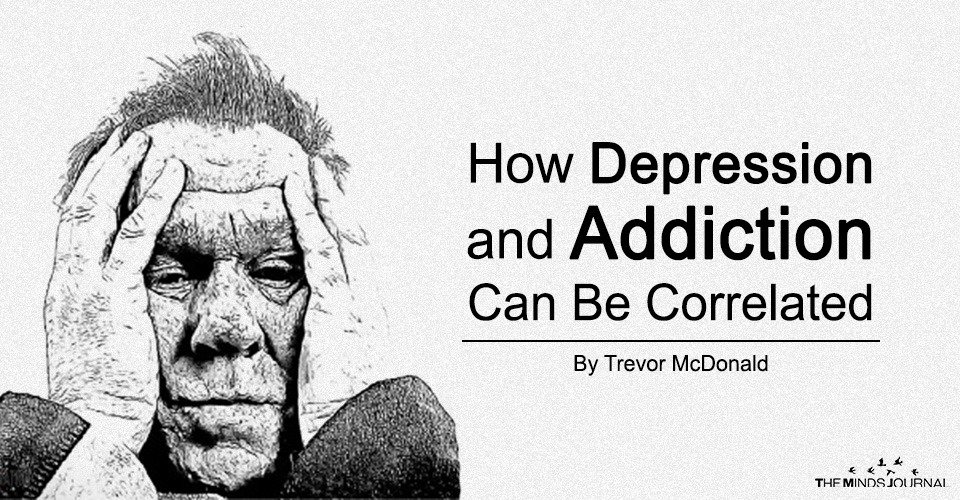
How Depression and Addiction Can Be Correlated

Author : Trevor McDonald

When it comes to depression and addiction, there’s one thing we know for certain. There’s a strong correlation between the two. And we do know that people with depression are likely to self-medicate. And we also know that addiction can cause depression, if only temporarily. We don’t know, however, how many people with addiction were depressed before they started using. Many cases of depression go undiagnosed. So, if an addict presents signs of depression, it’s difficult to say whether the depression was there before addiction or if it came after a person became addicted. It’s a bit of a chicken-and-egg scenario.


When depression causes addiction

Because many cases of depression are undiagnosed, we don’t know exactly how often depression leads to addiction. We do know that some drugs and alcohol work in similar ways to some depression medications. For example, the street drug Special K or ketamine is prescribed off-label for depression, according to Psychology Today. People also use central nervous system depressants to decrease anxiety and opioids to relieve symptoms of depression. When a drug feels good, it can temporarily relieve depressed thoughts and feelings. Unfortunately, it’s only a band-aid. The more people use, the more they need the drug to cope, and they become likely to fall into the grasp of addiction. Addiction can cause or worsen depression for a variety of reasons.

Read The 10 Basic Do’s And Don’ts Of Depression


When addiction causes depression

There are three ways that addiction can lead to depression in a person who was otherwise not depressed. First, addiction can wreak havoc on someone’s life. As the addiction takes hold, it becomes the addict’s most important priority. Work, family and relationships suffer as the addict shifts their focus to feeding the addiction. As things begin to fall apart, it’s reasonable to understand how this can lead to depression.

And there are also two other biological reasons that explain why addicts become depressed. The reason why drugs and alcohol are so addictive is because they trigger artificially-high levels of dopamine in the brain. This is what causes the high feeling. Because this high feeling isn’t available through natural means, the addict comes to rely on the artificial source of dopamine.

As the brain gets accustomed to the artificial dopamine surges, it produces less natural dopamine. Over time, the only positive sensations the addict may feel are from drugs or alcohol.


The second biological reason for depression happens in recovery from alcohol addiction and drug addiction. Not everyone experiences recovery in the same way, but depression is a common symptom of Post-Acute Withdrawal Syndrome (PAWS). PAWS is the recovery stage that happens after the physical withdrawal symptoms such as nausea, vomiting, and hallucinations subside. The PAWS stage of recovery is when an addict discovers how to function without drugs or alcohol and can last several months. During this time, your brain may not produce enough brain chemicals such as dopamine and serotonin that will keep you feeling your best.

Treating depression and addiction

According to Mental Health America, 18 percent of adults have a mental health condition and nearly half of those adults have a co-occurring addiction. That’s nearly 21 million adults who are suffering with addiction and mental health problems. There is a strong correlation between the two and it’s important that we address the problem.

If you know someone who seems to be suffering from depression, encourage them to seek help. Self-medicating will only make the problem worse. And if someone you love is depressed and addicted, get involved. Start by having a conversation about the problem. This won’t likely solve everything, but it’s a step in the right direction. Next, encourage that person to get help from a rehab that specializes in this co-occurring disorder.

Read What It Means To Have Treatment Resistant Depression?

Depression and addiction are both dangerous problems that are not likely to go away on their own. Get involved when you can and try to help the people you love.


How Depression and Addiction Can Be Correlated


Published On:

Last updated on:

Disclaimer: The informational content on The Minds Journal have been created and reviewed by qualified mental health professionals. They are intended solely for educational and self-awareness purposes and should not be used as a substitute for professional medical advice, diagnosis, or treatment. If you are experiencing emotional distress or have concerns about your mental health, please seek help from a licensed mental health professional or healthcare provider.

Leave a Comment

Today's Horoscope

Weekly Horoscope PART one

Weekly Horoscope 15 March to 21 March 2026

Read your zodiac sign’s prediction to understand the energy surrounding you and how to make the most of the days ahead!

Latest Quizzes

Interesting Finger Personality Test: 4 Finger Lines

Finger Personality Test: Join Your Fingers And Reveal A Hidden Personality Secret!

Look closely at your finger lines. Which pattern do you see? This personality test might surprise you!

Latest Quotes

How Men Show Love Through Actions (Male Psychology in Relationships)

How Men Show Love Through Actions (Male Psychology in Relationships)

Male psychology in relationships shows that men express love through presence, protection, and peace more than poetry. Decode his actions so you can see how deeply he actually cares.

Readers Blog

Caption This Image and Selected Wisepicks – 15 March 2026

Caption This Image and Selected Wisepicks – 15 March 2026

Ready to unleash your inner wordsmith? ✨??☺️ Now’s your chance to show off your wit, charm, or sheer genius in just one line! Whether it’s laugh-out-loud funny or surprisingly deep, we want to hear it.Submit your funniest, wittiest, or most thought-provoking caption in the comments. We’ll pick 15+ winners to be featured on our website…

Latest Articles

When it comes to depression and addiction, there’s one thing we know for certain. There’s a strong correlation between the two. And we do know that people with depression are likely to self-medicate. And we also know that addiction can cause depression, if only temporarily. We don’t know, however, how many people with addiction were depressed before they started using. Many cases of depression go undiagnosed. So, if an addict presents signs of depression, it’s difficult to say whether the depression was there before addiction or if it came after a person became addicted. It’s a bit of a chicken-and-egg scenario.


When depression causes addiction

Because many cases of depression are undiagnosed, we don’t know exactly how often depression leads to addiction. We do know that some drugs and alcohol work in similar ways to some depression medications. For example, the street drug Special K or ketamine is prescribed off-label for depression, according to Psychology Today. People also use central nervous system depressants to decrease anxiety and opioids to relieve symptoms of depression. When a drug feels good, it can temporarily relieve depressed thoughts and feelings. Unfortunately, it’s only a band-aid. The more people use, the more they need the drug to cope, and they become likely to fall into the grasp of addiction. Addiction can cause or worsen depression for a variety of reasons.

Read The 10 Basic Do’s And Don’ts Of Depression


When addiction causes depression

There are three ways that addiction can lead to depression in a person who was otherwise not depressed. First, addiction can wreak havoc on someone’s life. As the addiction takes hold, it becomes the addict’s most important priority. Work, family and relationships suffer as the addict shifts their focus to feeding the addiction. As things begin to fall apart, it’s reasonable to understand how this can lead to depression.

And there are also two other biological reasons that explain why addicts become depressed. The reason why drugs and alcohol are so addictive is because they trigger artificially-high levels of dopamine in the brain. This is what causes the high feeling. Because this high feeling isn’t available through natural means, the addict comes to rely on the artificial source of dopamine.

As the brain gets accustomed to the artificial dopamine surges, it produces less natural dopamine. Over time, the only positive sensations the addict may feel are from drugs or alcohol.


The second biological reason for depression happens in recovery from alcohol addiction and drug addiction. Not everyone experiences recovery in the same way, but depression is a common symptom of Post-Acute Withdrawal Syndrome (PAWS). PAWS is the recovery stage that happens after the physical withdrawal symptoms such as nausea, vomiting, and hallucinations subside. The PAWS stage of recovery is when an addict discovers how to function without drugs or alcohol and can last several months. During this time, your brain may not produce enough brain chemicals such as dopamine and serotonin that will keep you feeling your best.

Treating depression and addiction

According to Mental Health America, 18 percent of adults have a mental health condition and nearly half of those adults have a co-occurring addiction. That’s nearly 21 million adults who are suffering with addiction and mental health problems. There is a strong correlation between the two and it’s important that we address the problem.

If you know someone who seems to be suffering from depression, encourage them to seek help. Self-medicating will only make the problem worse. And if someone you love is depressed and addicted, get involved. Start by having a conversation about the problem. This won’t likely solve everything, but it’s a step in the right direction. Next, encourage that person to get help from a rehab that specializes in this co-occurring disorder.

Read What It Means To Have Treatment Resistant Depression?

Depression and addiction are both dangerous problems that are not likely to go away on their own. Get involved when you can and try to help the people you love.


How Depression and Addiction Can Be Correlated


Published On:

Last updated on:

Trevor McDonald

Leave a Comment

    Leave a Comment