Dietitian-Approved #1 Nutrient To Reduce Blood Pressure And Manage It

Author :

Is there a simple nutrient to reduce blood pressure and promote heart health? Let’s delve into the world of this potent remedy and health strategies!

In the battle against high blood pressure, dietitians are championing one unsung hero: potassium. Nearly half of U.S. adults grapple with high blood pressure, a condition deeply entwined with dietary choices.

What Is The Top Nutrient To Reduce Blood Pressure Advised by Dietitians?

Potassium, a vital mineral and electrolyte, takes center stage in this health drama by relaxing blood vessel walls, thereby lowering blood pressure and safeguarding heart health.

Potassium, found in abundance within cells and body fluids, orchestrates a symphony of bodily functions. Beyond blood pressure regulation, it supports heart rhythm, bone health, and metabolism.

However, Americans often favor sodium-rich diets, tilting the balance toward hypertension. The ideal potassium-to-sodium intake ratio stands at 2-to-1, yet research reveals most Americans are closer to a problematic 1-to-2 ratio.

The dynamic duo of heart health, potassium, and sodium work hand in hand. Sodium can lead to water retention and elevated blood pressure, while potassium promotes sodium excretion through urine and relaxes blood vessels.

Here are six tips to boost potassium intake:

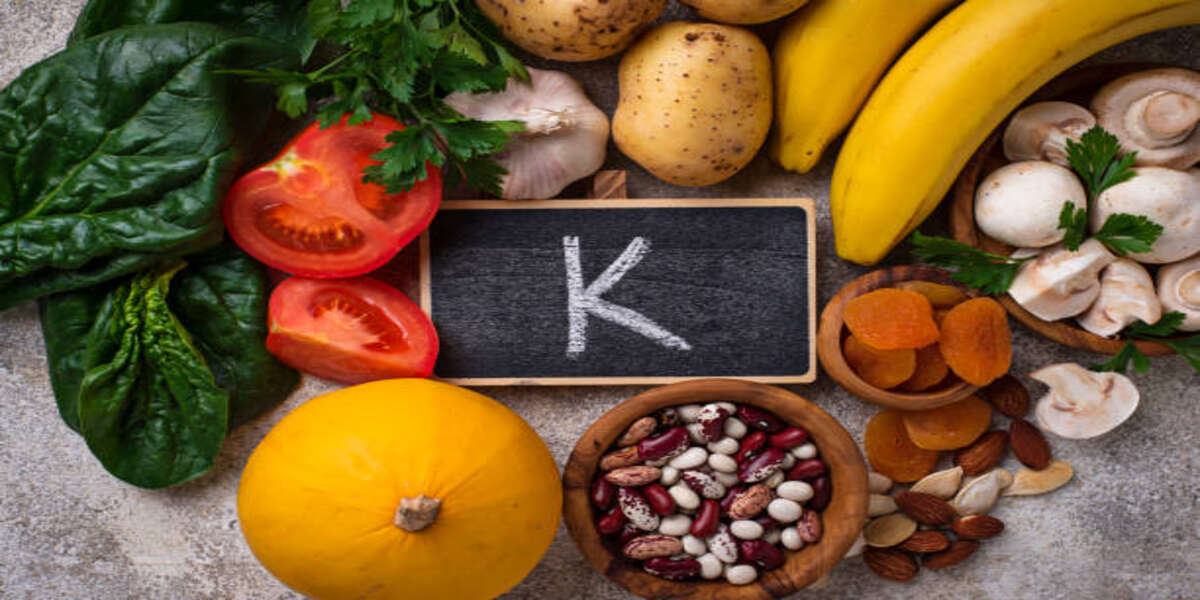
  1. Load up on Fruits and Veggies: Bananas are famous for their potassium, but so are oranges, potatoes, sweet potatoes, apricots, kiwis, tomatoes, spinach, and cantaloupe. Fresh, canned, or frozen, these foods should grace your plate.
  2. Embrace Leafy Greens: Spinach, kale, and Swiss chard contain substantial potassium. Incorporate them into salads, omelets, or smoothies for an effortless potassium boost.
  3. Keep Potato Skins: Don’t discard potato skins; they house most of the potassium. Enjoy a baked potato with its skin for a potassium-packed meal.
  4. Blend in Smoothies: If eating enough fruits and veggies is a challenge, blend them into a smoothie. A medium frozen banana, milk, and half an avocado can provide 27% of your daily potassium needs.
  5. Greek Yogurt Snacks: Greek yogurt, with its potassium, probiotics, and protein, is a heart-healthy snack. Opt for unsweetened versions and customize with fruits or natural sweeteners.
  6. Fatty Fish Favorites: Salmon, sardines, and mackerel, rich in omega-3 fatty acids, maintain potassium levels and support heart health. Canned salmon is a convenient alternative.

In summary, with high blood pressure affecting so many, integrating potassium into one’s diet is crucial for heart and blood vessel health. This mineral’s magic lies in relaxing blood vessels, counteracting sodium’s potential harm, and maintaining fluid balance.

A diet rich in potassium-packed whole foods is the key to achieving a harmonious blood pressure and a healthier heart.


Published On:

Last updated on:

Disclaimer: The informational content on The Minds Journal have been created and reviewed by qualified mental health professionals. They are intended solely for educational and self-awareness purposes and should not be used as a substitute for professional medical advice, diagnosis, or treatment. If you are experiencing emotional distress or have concerns about your mental health, please seek help from a licensed mental health professional or healthcare provider.

Leave a Comment

Today's Horoscope

Your Daily Horoscope For 4 April, 2026: Free Predictions

Daily Horoscope 4 April, 2026: Prediction For Each Zodiac Sign

Look at your daily prediction and see what the stars have in store for your love life and your future!

Latest Quizzes

How Many Circles Do You See? A Simple Test of Thinking Style

How Many Circles Do You See? Your Answer Might Reveal Narcissistic Traits! 

Take a closer look at this simple image and discover what your circle count reveals about your thinking style, perception, and attention in this fun and engaging visual test.

Latest Quotes

Real Signs Your Body Is Actually in Good Health: How to Know You’re Truly Well

Real Signs Your Body Is Actually in Good Health: How to Know You’re Truly Well

Real signs your body is healthy don’t always show up on lab reports. From good sleep and clear skin to regular digestion and a stable mood, your body is constantly sending quiet signals of wellness.

Readers Blog

Caption This Image and Selected Wisepicks – 5 April 2026

Caption This Image and Selected Wisepicks – 5 April 2026

Ready to unleash your inner wordsmith? ✨??☺️ Now’s your chance to show off your wit, charm, or sheer genius in just one line! Whether it’s laugh-out-loud funny or surprisingly deep, we want to hear it.Submit your funniest, wittiest, or most thought-provoking caption in the comments. We’ll pick 15+ winners to be featured on our website…

Latest Articles

Is there a simple nutrient to reduce blood pressure and promote heart health? Let’s delve into the world of this potent remedy and health strategies!

In the battle against high blood pressure, dietitians are championing one unsung hero: potassium. Nearly half of U.S. adults grapple with high blood pressure, a condition deeply entwined with dietary choices.

What Is The Top Nutrient To Reduce Blood Pressure Advised by Dietitians?

Potassium, a vital mineral and electrolyte, takes center stage in this health drama by relaxing blood vessel walls, thereby lowering blood pressure and safeguarding heart health.

Potassium, found in abundance within cells and body fluids, orchestrates a symphony of bodily functions. Beyond blood pressure regulation, it supports heart rhythm, bone health, and metabolism.

However, Americans often favor sodium-rich diets, tilting the balance toward hypertension. The ideal potassium-to-sodium intake ratio stands at 2-to-1, yet research reveals most Americans are closer to a problematic 1-to-2 ratio.

The dynamic duo of heart health, potassium, and sodium work hand in hand. Sodium can lead to water retention and elevated blood pressure, while potassium promotes sodium excretion through urine and relaxes blood vessels.

Here are six tips to boost potassium intake:

  1. Load up on Fruits and Veggies: Bananas are famous for their potassium, but so are oranges, potatoes, sweet potatoes, apricots, kiwis, tomatoes, spinach, and cantaloupe. Fresh, canned, or frozen, these foods should grace your plate.
  2. Embrace Leafy Greens: Spinach, kale, and Swiss chard contain substantial potassium. Incorporate them into salads, omelets, or smoothies for an effortless potassium boost.
  3. Keep Potato Skins: Don’t discard potato skins; they house most of the potassium. Enjoy a baked potato with its skin for a potassium-packed meal.
  4. Blend in Smoothies: If eating enough fruits and veggies is a challenge, blend them into a smoothie. A medium frozen banana, milk, and half an avocado can provide 27% of your daily potassium needs.
  5. Greek Yogurt Snacks: Greek yogurt, with its potassium, probiotics, and protein, is a heart-healthy snack. Opt for unsweetened versions and customize with fruits or natural sweeteners.
  6. Fatty Fish Favorites: Salmon, sardines, and mackerel, rich in omega-3 fatty acids, maintain potassium levels and support heart health. Canned salmon is a convenient alternative.

In summary, with high blood pressure affecting so many, integrating potassium into one’s diet is crucial for heart and blood vessel health. This mineral’s magic lies in relaxing blood vessels, counteracting sodium’s potential harm, and maintaining fluid balance.

A diet rich in potassium-packed whole foods is the key to achieving a harmonious blood pressure and a healthier heart.


Published On:

Last updated on:

Leave a Comment

    Leave a Comment